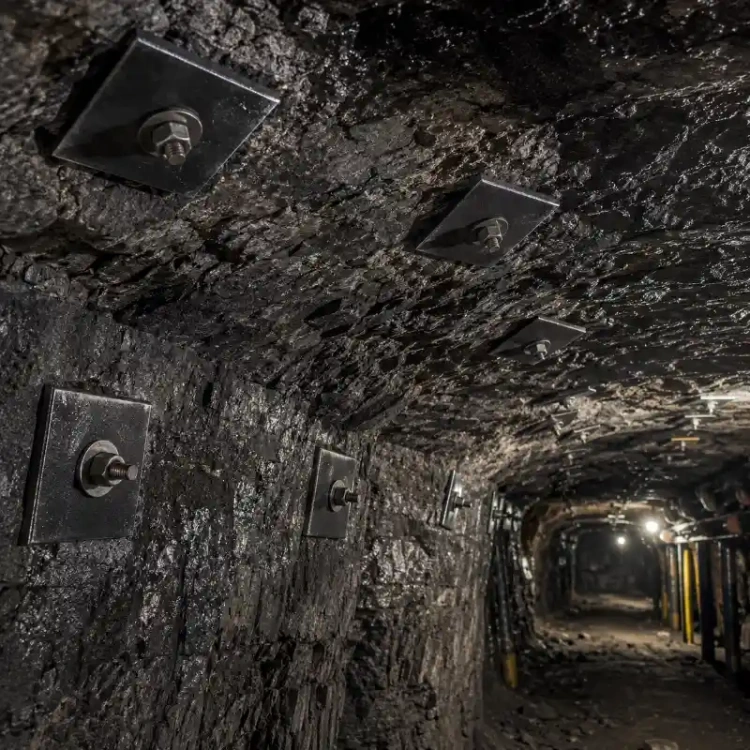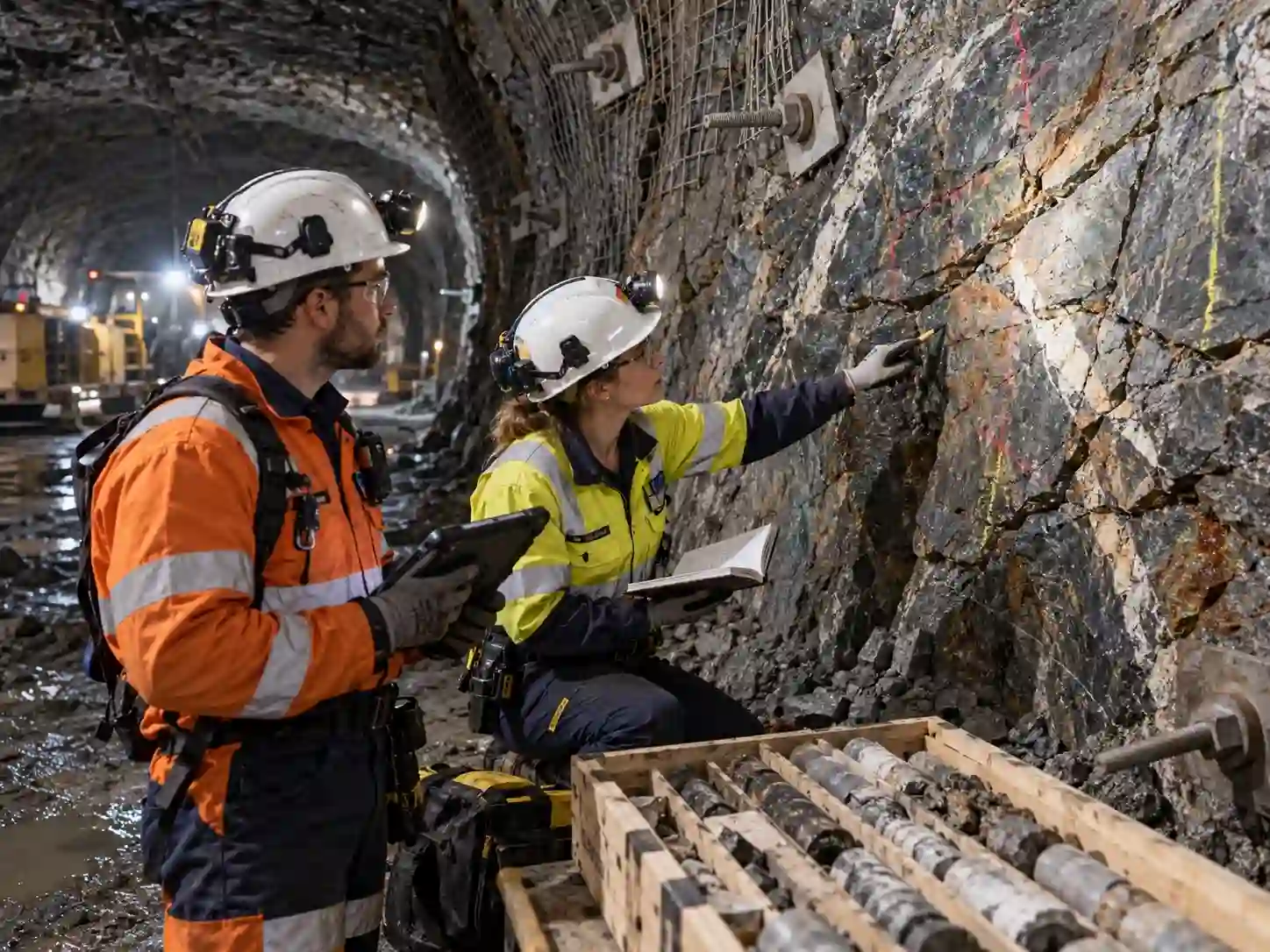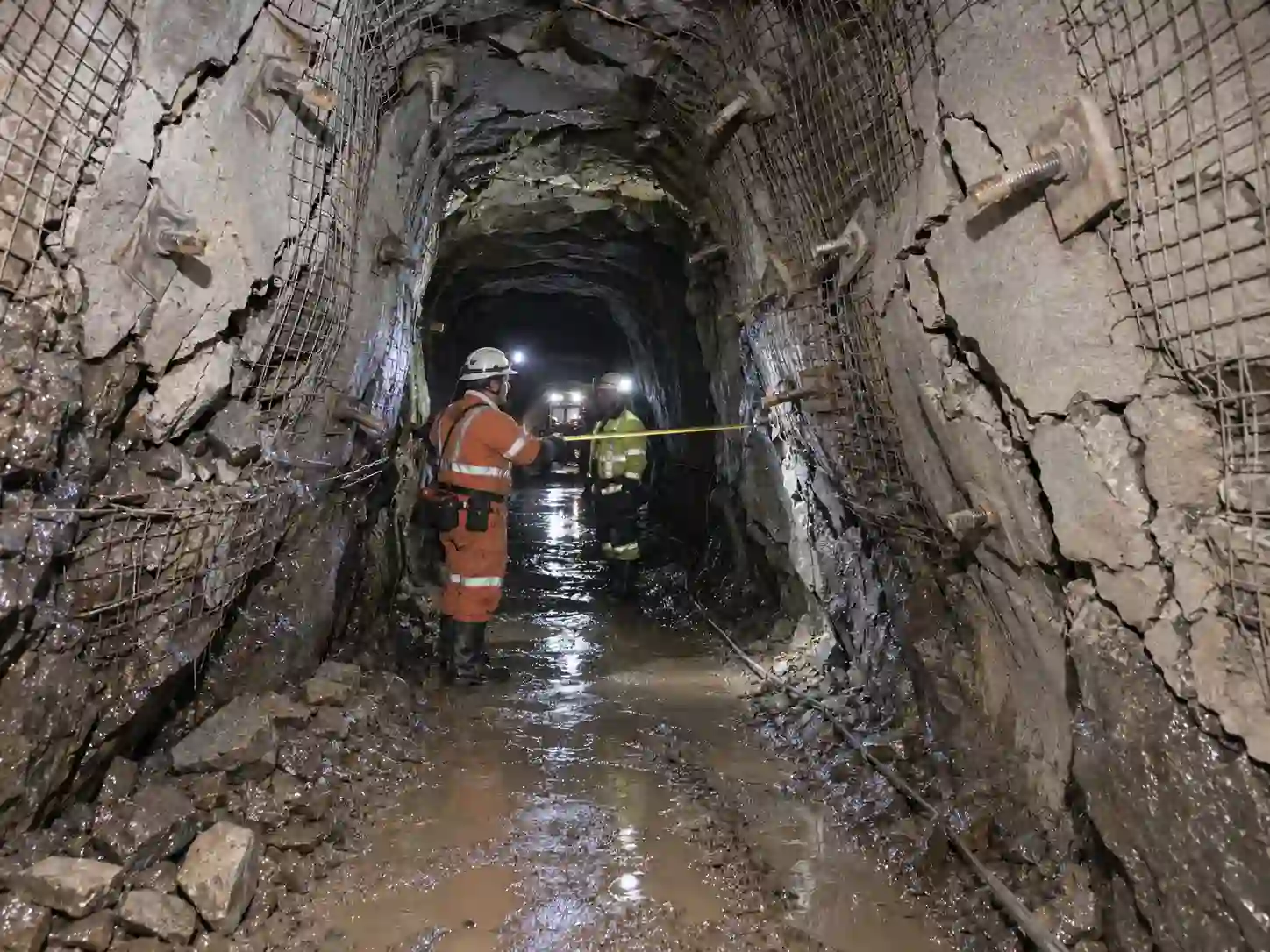


When discussing underground mining ground support one comparison you will often run into is cable bolts vs rock bolts. They are both used to help support the surrounding rock but they are built differently and can be installed in different ways. There is also the ability to reinforce deeper into the rock mass with cable bolts.
Rock bolts are commonly used to reinforce rock around an opening. Cable bolts are typically used when you need to reinforce further into the rock mass. Such as around large openings, wide intersections, points of instability that may exist at deeper depths and mining stopes.
There is a point where rock bolts become less favorable and you would want to use cable bolts.
Length and tension capacity are not the only factors that play into when to crossover from rock bolts to cable bolts.
When reinforcing around an opening if the shape, anchorability of rock, type of loading or ease of install becomes unfavorable for a rock bolt then you would want to look into cable bolting.
Below we will go over what makes them different and help you understand when to crossover from rock bolts to cable bolts.

Are rated anchor loads enough? Explore grouting, load transfer and integrated anchor systems for stable support in tunnels and mines.
Ko'proq o'qish
Underground equipment wearing too fast? Match cutting tools, support parts and material specs to geology, machine fit and maintenance.
Ko'proq o'qish
R32, R38 and T76 will be some of the common sizes you come across when specifying hollow bar anchors.
You should not base your selection off of
"What size thread do I need for a stronger anchor"
There are many factors when selecting your hollow bar anchor. Some of these include:
Required Yield and Ultimate load.
What type of ground you are installing in.
Drilling technique.
Passing of grout.
Length of anchor.
Coupler's and bits.
Bearing plates.
Equipment available on site.
As stated above there are many sizes of thread you can use but R32 R38 and T76 fall into different categories.
R32 will typically fall into the lighter side of hollow bar reinforcement. R38 will take you into the next class of anchor and T76 is considered a heavy duty anchor.
Again its what your application calls for and what your installing conditions allow you to use.
Learn more about Hollow Bar Installation here Self Drilling Anchor Bolt vs Traditional Rock Bolt

Self drilling anchor bolts and normal rock bolts can both be used to support excavations, tunnels and slopes. But each method helps overcome different issues.
It's not just about the bar being hollow.
Rock bolts will typically be used once a bore hole is already drilled.
Self Drilling Anchors (SDA's) use a hollow threaded bar which acts as part of your drill string. Once the bar has been drilled into the ground you can use this as your grouting media and as a support member. This is how Epiroc explain Self Drilling Anchor bolts. They act as the drill and once grouted are the support tendon.
So the comparison is really between.
Drill a hole and then put support in.
Or drill with your support in place.
Which comes in handy when you need to keep your bore hole open.

Belt conveyor downtime rising? Improve mining performance through better idler selection, alignment, sealing, maintenance, and support.
Ko'proq o'qish