
-
 admin
- 8th Oktabr 2026
Beyond Anchor Strength: How Rock Anchor Systems Improve Underground Ground Stability
Ground support in a mine or tunnel is highly dependent on the connection between the anchor, grout, and surrounding ground. A rock anchor should not be evaluated only by its rated capacity. The final support performance depends on how effectively the complete anchoring system manages stress, transfers load, and interacts with the surrounding rock mass.
That is why high-performance rock anchors are often selected as part of a complete support system rather than as isolated steel components. In weak or broken formations, self-drilling hollow anchor systems provide an integrated approach by combining drilling, reinforcement, and grout injection functions.
Why Anchor Capacity Alone Does Not Determine Ground Support Performance
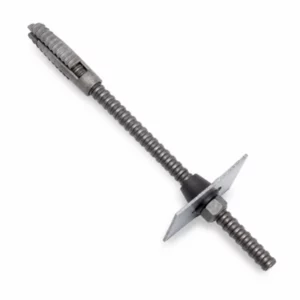
As an opening in the rock is excavated, the stress field is disturbed. What appeared to be solid rock prior to excavation may shift, settle or even open up joints as material is removed. Factors that increase difficulties in support include weak rock, zones of faulting, high groundwater levels and the presence of voids. While a high capacity anchor may be installed, effective support of the rock mass depends on a number of factors including the quality of anchorage, grout bond, bearing plate contact and the nature of the surrounding rock mass.
The practical issue is not simply whether an anchor can carry a high load. You also need to install it correctly and create dependable contact with the surrounding ground.
What Determines the Real Performance of a Rock Anchor System
Rock anchor performance depends on more than installation method or rated capacity. A complete support system must achieve effective load transfer between the steel anchor, grout, bearing plate, and surrounding rock mass.
A number of parameters are influential to the performance of the final support, including the geological conditions, anchorage, grout bond, installation accuracy and expected ground movement.
This is why engineers evaluate rock anchors as a complete system rather than selecting a product only by diameter or load capacity.
Understanding the Load Transfer Path in Rock Anchoring
A rock anchor does not work as an isolated steel component. The final support performance depends on how forces are transferred through the complete anchoring system.
The load path includes four key elements:
Steel Anchor
The steel element provides reinforcement capacity and carries tensile forces generated around the excavation.
Grout
Grout creates the bonding connection between the anchor and surrounding rock, allowing forces to transfer effectively into the ground.
Rulman plitasi
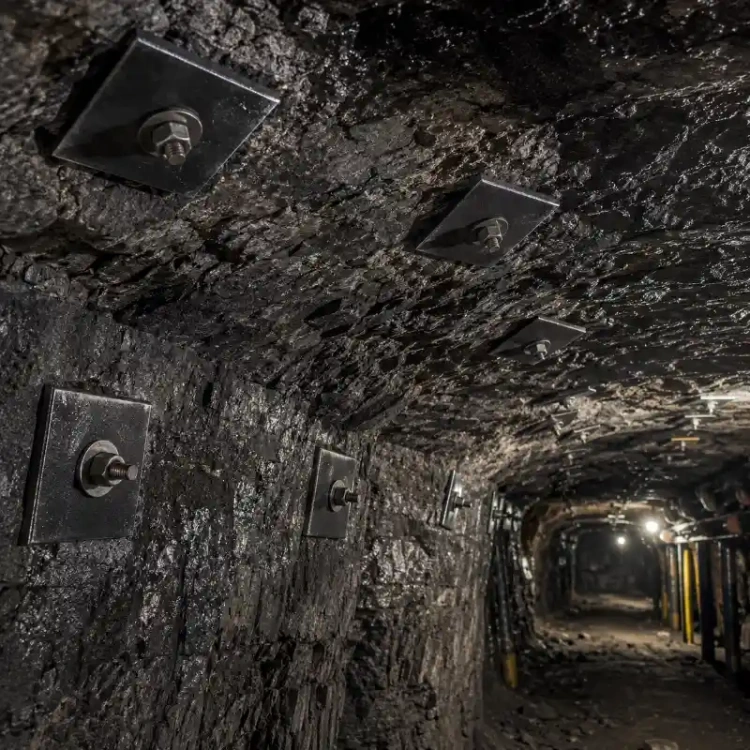
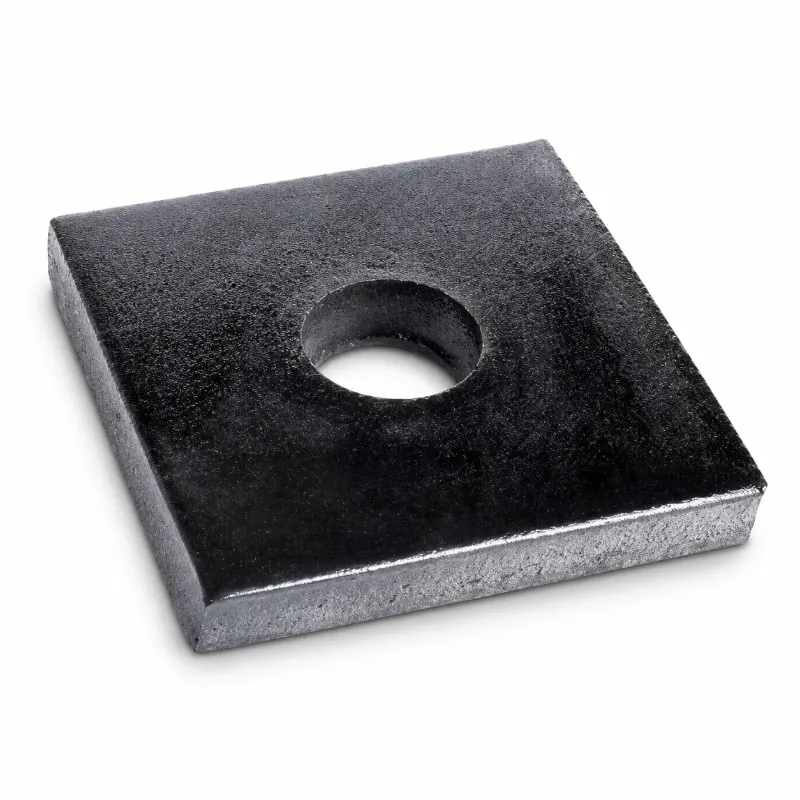
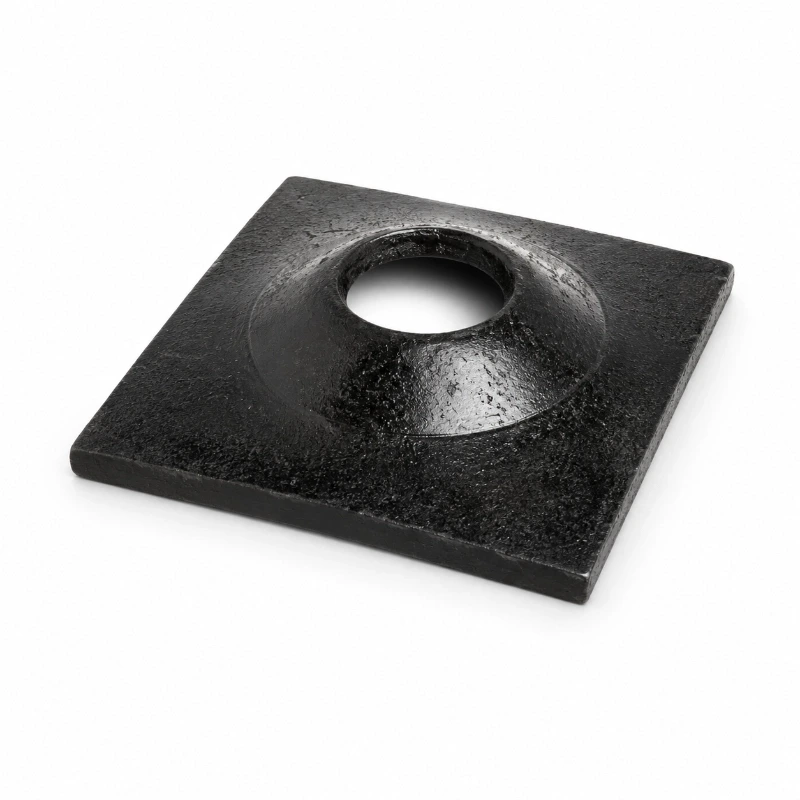
The bearing plate distributes surface pressure and improves the interaction between the anchor system and excavation surface.
Rock Mass
The surrounding rock determines how the transferred forces are resisted and how the reinforced area behaves after excavation.
How Rock Anchor Systems Control Ground Movement After Excavation
A good anchor system changes how the surrounding rock behaves. Instead of relying on individual blocks or fractured sections to remain stable on their own, the installed reinforcement helps tie the rock mass together.
Reinforcing the Surrounding Rock Mass
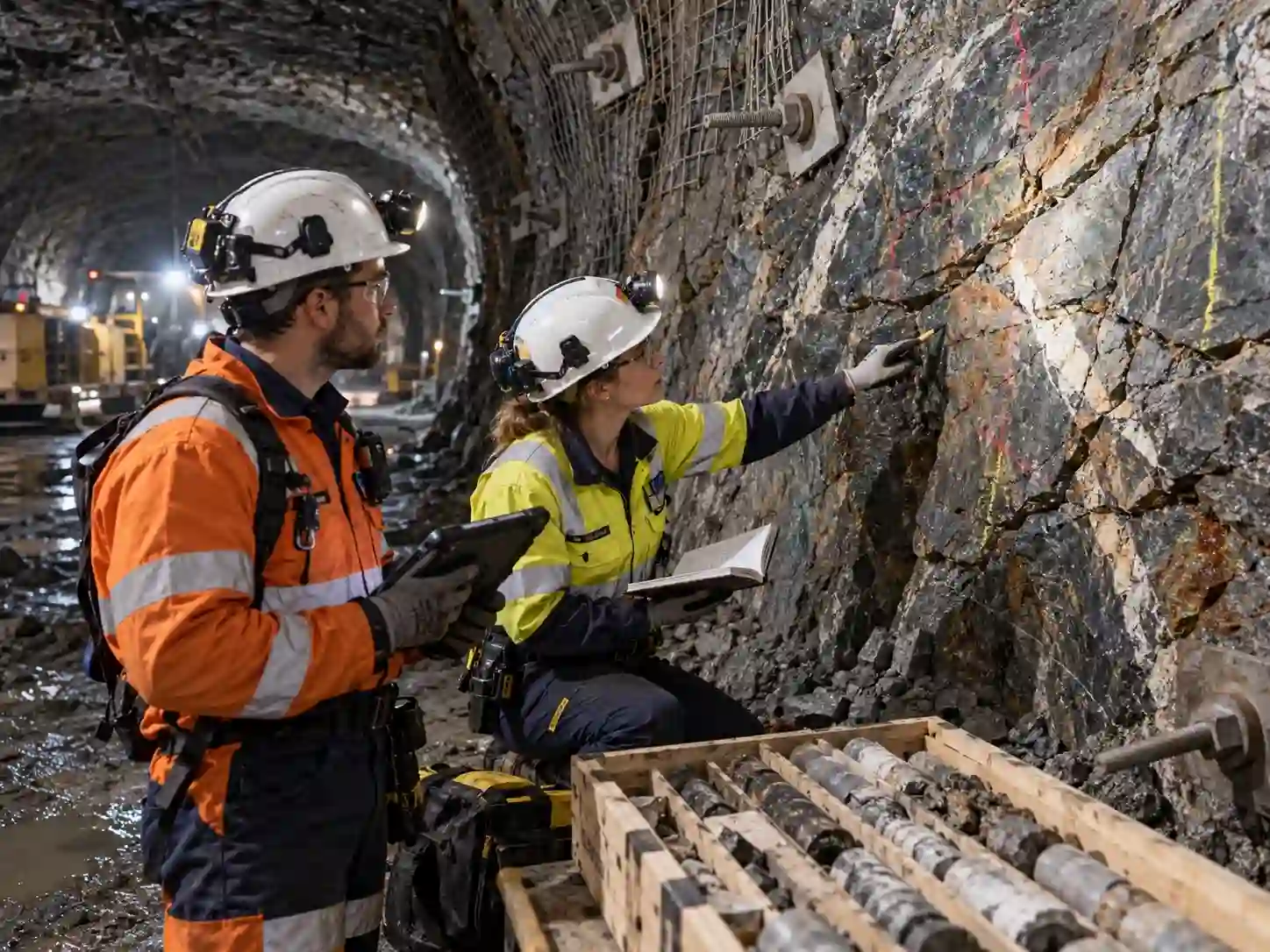
Rock anchors can cross joints, fractures, and weaker layers. Once properly installed and bonded, they help restrict separation between those sections.
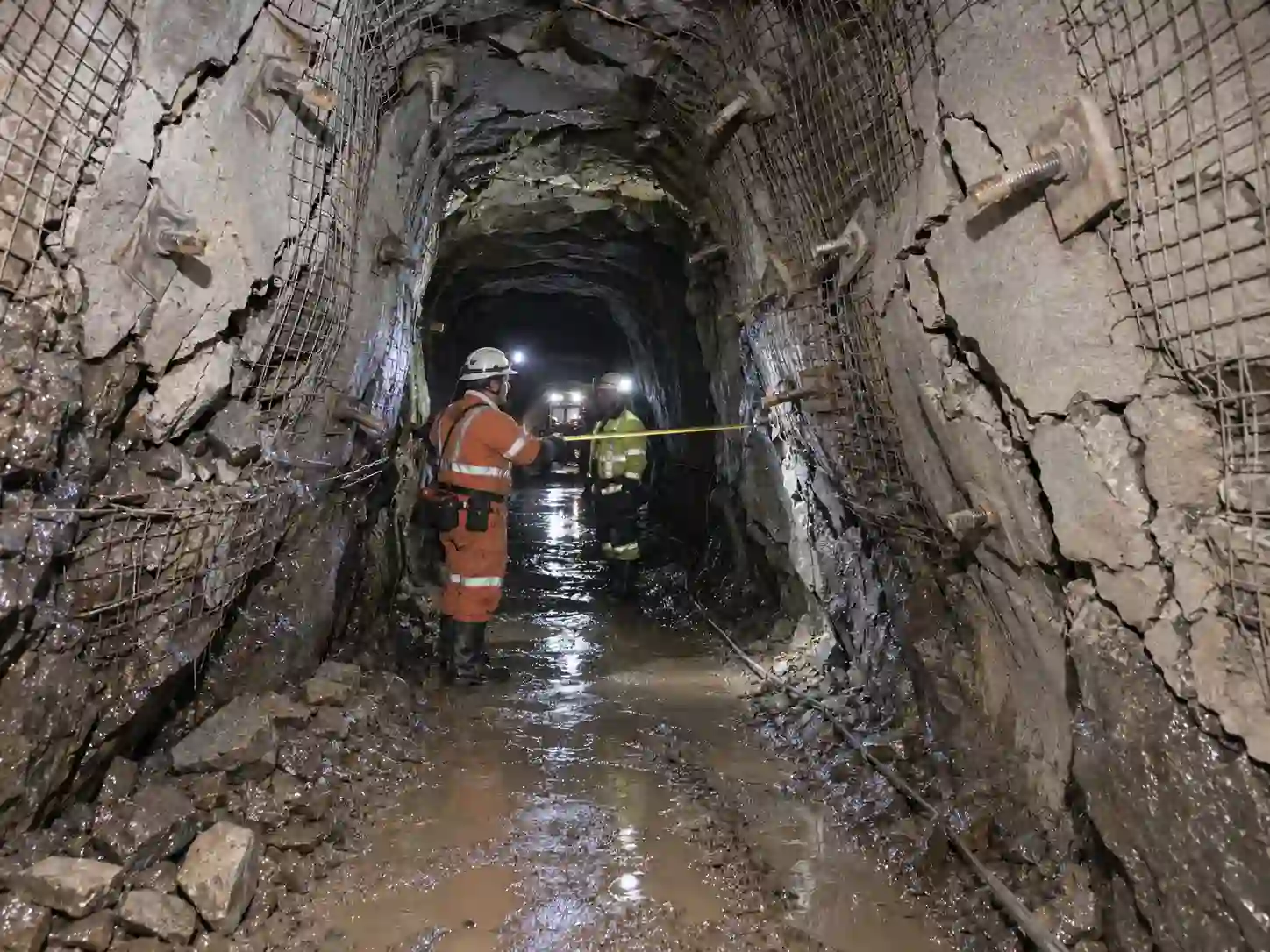
This is useful around tunnel crowns, mine roadways, sidewalls, and underground excavations where movement can increase after excavation. The goal is not to make the rock completely rigid. It is to keep movement within the limits required by the support design.
Controlling Movement Through Reliable Anchorage
Higher load capacity can be useful, but the anchor still has to transfer that capacity into the ground. Anchor length, installation angle, grout quality, bearing plate contact, and geological conditions all affect the result.
This is why you should judge a high-performance anchor as a system. A large bar without good bonding or correct installation will not give you the support performance suggested by its steel strength alone.
Self-Drilling Technology as Part of a Complete Support System
Self-drilling hollow anchors have certain advantages when drilling in difficult ground, but these are multiplied when they are used as part of a complete support system including drilling, anchoring and grouting.
Combining Drilling, Anchoring, and Grouting
Self-drilling hollow anchors provide installation advantages in challenging ground conditions, while their long-term performance still depends on effective anchorage and load transfer.
After installation, grout injection helps improve contact between the anchor and surrounding rock, creating a more reliable load-transfer path.
Filling Cracks and Voids With Grout
Pressure grouting can fill the borehole and improve contact between the anchor and the surrounding ground. In fractured zones, grout may also enter accessible cracks and voids around the hole.
The benefit is straightforward: better contact gives the anchor a more reliable way to transfer load into the rock mass. The threaded outer profile also supports bonding between the bar and grout.
T52 Hollow Grouting Anchor System: An Example of High-Performance Ground Support
The T52 Hollow Grouting Anchor System represents a practical example of how high-strength reinforcement, grouting capability, and self-drilling installation can work together in underground support applications.
High-Strength T52/26 Design for Demanding Support
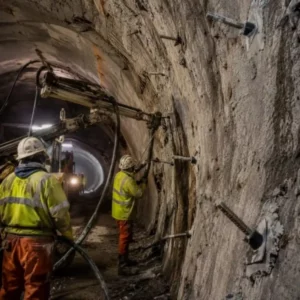
The T52/26 has a 52 mm outer diameter and 26 mm inner diameter. Its cross-sectional area is 1,250 mm², with a listed yield load of 730 kN and an ultimate load of 929 kN. The bar weighs 9.9 kg/m and uses ISO 10208 thread. Standard lengths range from 1 m to 9 m, with left-hand or right-hand thread options. These technical parameters show the mechanical capability of the anchor, but project selection should always consider geological conditions, support design requirements, and expected ground behavior.
These characteristics allow T52 to meet the requirements of projects that demand higher reinforcement capacity, while final selection should still be based on geological conditions and support design requirements.
Matched Components and Corrosion Protection
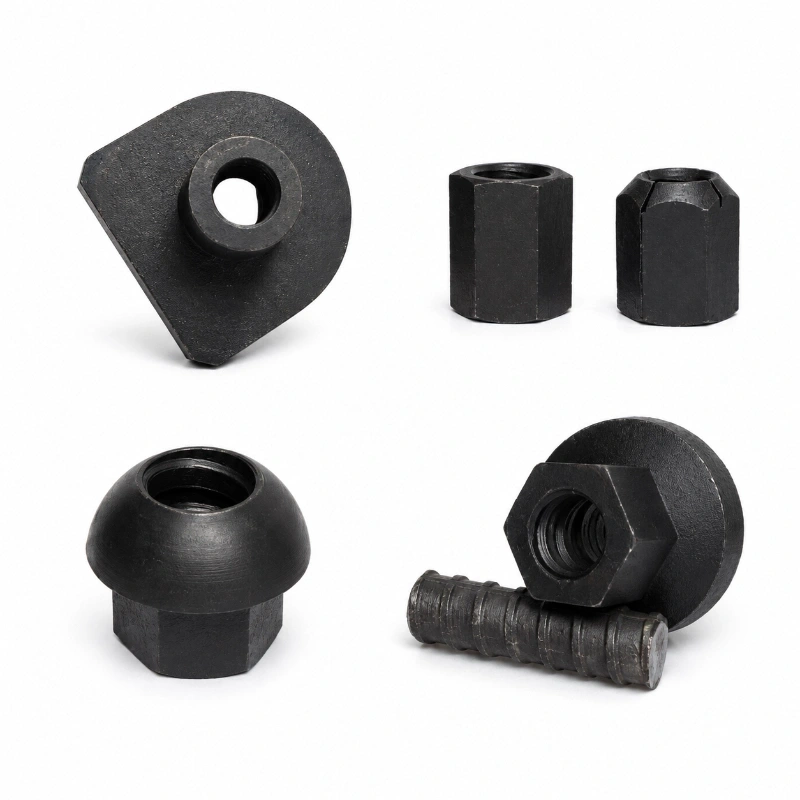
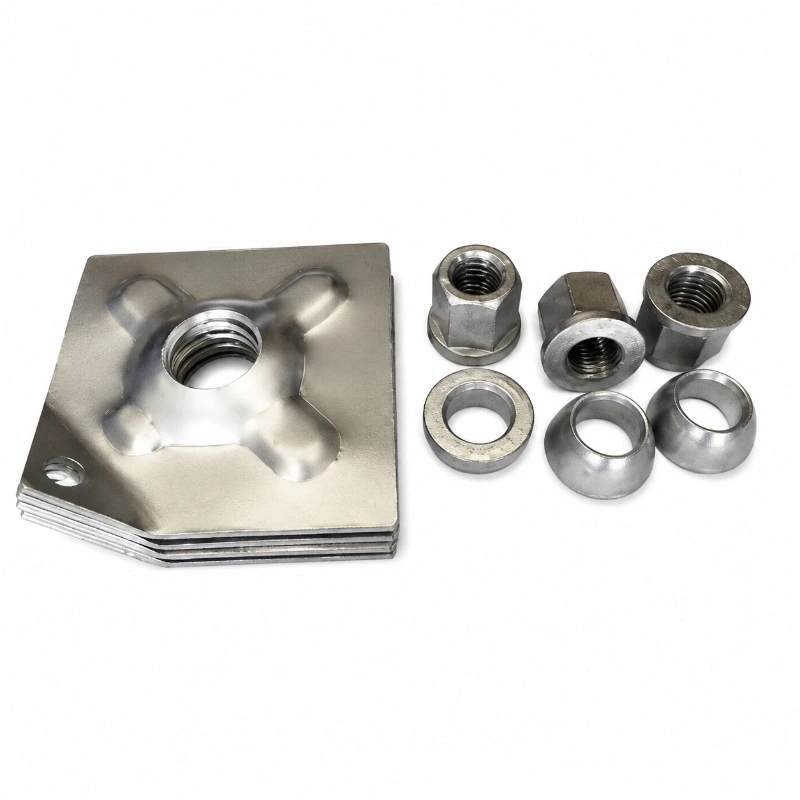
An anchor bar rarely works alone. The T52 system can be supplied with nuts, couplers, bearing plates, centralizers, and drill bit adapters. Its listed bearing plate is 220 × 220 mm with a thickness of 35 mm, while the matching drill bit adapter connects a T52 anchor thread with T73/T76 drill bit threads.
For projects where corrosion is a concern, available protection includes hot-dip galvanizing according to ISO 1461 and epoxy resin coating.
Selecting T52 Based on Ground Conditions
Product selection becomes easier when you start with the actual ground problem rather than the model number.
Tunnel and Mining Roadway Support
In tunnel excavation and mining roadways, T52 can be considered where you need self-drilling installation, high load capacity, and grouting through the anchor body. It is especially relevant when broken ground makes conventional pre-drilling difficult.
The system is also intended for rock mass reinforcement and underground excavation support.
Weak Ground, Metro, and Hydropower Work
The same installation principle can be useful in metro construction, hydropower works, foundation support, and weak ground stabilization. The common point is not the project name. It is the need for dependable anchorage where geological conditions make drilling and support more difficult.
How Engineers Select the Right Rock Anchor System
Before placing an order, you should check more than diameter and load capacity. Start with rock quality, fracture pattern, groundwater, borehole stability, expected deformation, anchor length, grout specification, and required service life.
You should also confirm which accessories are included and whether they match the installation equipment on site. Coupler size, plate dimensions, thread direction, drill bit connection, and corrosion protection can all affect whether the system arrives ready to use.
For procurement work, factory support matters too. Available manufacturing and project support services include raw-material inspection, mechanical performance testing, load and tensile verification, batch checks, customized rock bolt specifications, OEM support, export packaging, logistics coordination, technical documents, and installation guidance.
A good inquiry should include your geological conditions, required anchor length, design load, quantity, thread requirement, corrosion protection, accessories, and destination. When these details are available, you can contact the technical sales team and discuss the T52 configuration against the actual project rather than choosing a rock anchor from diameter alone.
Engineers should evaluate more than anchor diameter and load capacity. Important factors include rock quality, fracture conditions, groundwater, expected deformation, installation environment, and required service life.
About Hebei Wanfeng
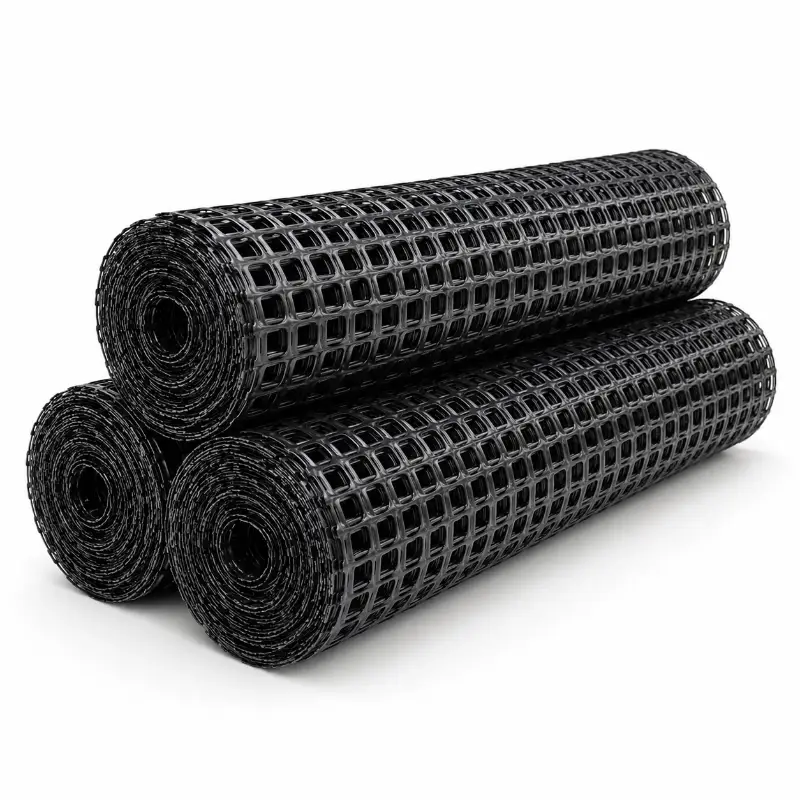
Xebey Vanfeng specializes in mining support products, including rock bolts, anchor systems, steel support, mesh, and related reinforcement components. The company provides manufacturing support, technical documentation, and customized solutions for mining, tunneling, underground construction, slope stabilization, and foundation reinforcement projects.
FAQ
Why is anchor capacity not the only factor in support performance?
Anchor capacity is only one part of a complete support system. Actual performance also depends on grout bonding, installation quality, bearing plate contact, geological conditions, and load transfer efficiency.
Can T52 Be Used in Weak or Fractured Rock?
Yes. The system is intended for weak ground, fractured rock, tunnel support, mining roadway reinforcement, and other underground applications where borehole stability may be difficult to maintain.
How does grout improve rock anchor performance?
Grout creates the bonding connection between the anchor and surrounding rock. It helps transfer forces, fill voids around the anchor, and improve the reliability of the overall support system.
What factors should engineers consider before selecting a rock anchor system?
Engineers should consider rock quality, fracture conditions, groundwater, expected deformation, anchor length, grout requirements, accessories, corrosion protection, and required service life.
What accessories are available for the T52 system?
The system can include nuts, couplers, bearing plates, centralizers, and drill bit adapters. Matching these parts to the anchor, drilling equipment, and project design helps create a complete ground support setup.
 Tegishli




Har doim ajoyib xizmat