
-
 Self-Drilling Anchor Bolt vs Conventional Rock Bolt: When Hollow Bar Pays Off
- 23rd Sentabr 2026
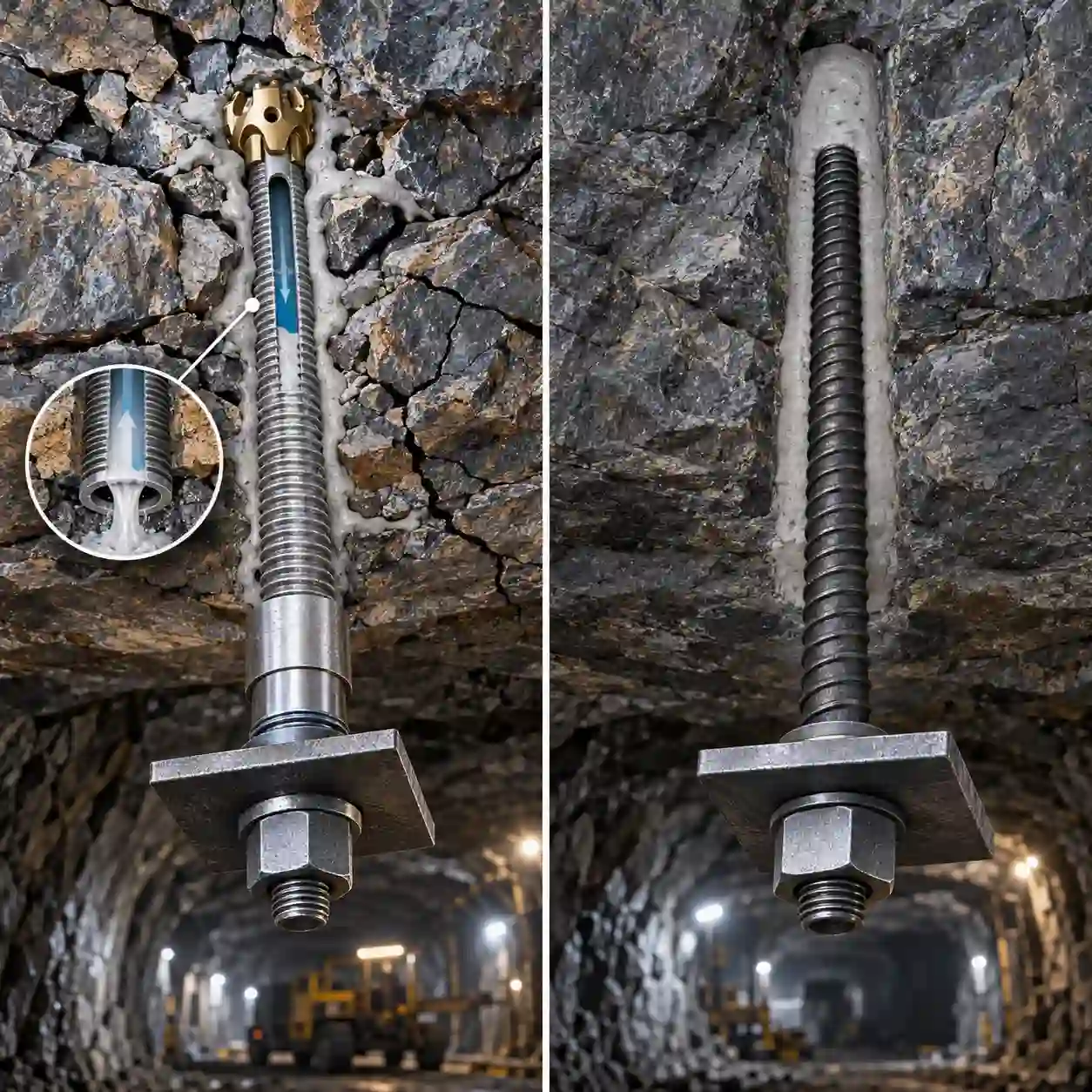 Self-Drilling Anchor Bolt vs Conventional Rock Bolt: When Hollow Bar Pays Off
Quick Comparison
| Xususiyat | Self-Drilling Anchor Bolt | Conventional Rock Bolt |
| Drilling | Hollow anchor participates in drilling | Borehole usually drilled separately |
| Reinforcement | Anchor remains in place | Bolt inserted after drilling |
| Gruntlash | Grout can pass through hollow center | Resin/grout installed separately depending on system |
| Burg'ulash uchi | Sacrificial bit forms part of system | Separate drilling tools |
| Best-known advantage | Difficult ground and unstable boreholes | Efficient in ground where holes remain stable |
| Extension | Couplers can connect bar sections | Depends on bolt system |
| Main cost issue | More components and system complexity | Generally simpler support sequence |
| Main risk | Using SDA where simpler support would work | Hole collapse or difficult insertion in poor ground |
For a broader overview of bolt families, see Wanfeng’s Rock Bolt Types Guide
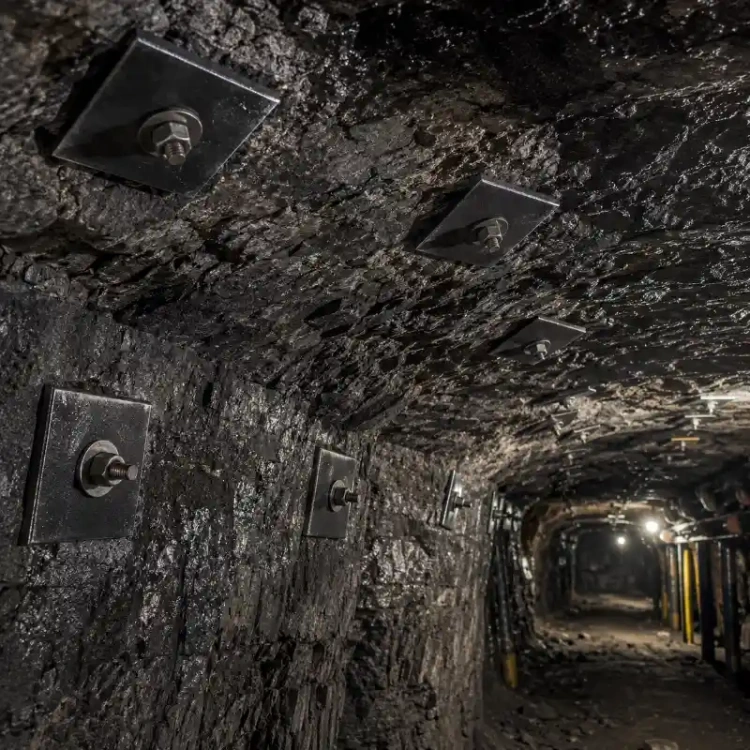
Installation of a Conventional Rock Bolt
There are many types of conventional rock-bolt systems.
Some will utilize:
- resin anchorage;
- cement grouting;
- mechanically expanded;
- friction anchor.
However a general rule is that they all follow a similar procedure.
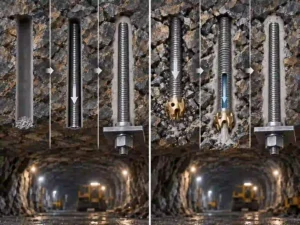
Drill – Remove Drill String – Clean Hole – Place Rock Bolt – Fix Rock Bolt
Providing your borehole stays open this can be a quick and simple process.
If you have good quality rock or a fair amount of fractured rock this can work well and be very cost effective. There is no requirement for your reinforcement to act as your drill string.
You can then choose what type of rock bolt to suit your application.
You could install a resin bolt to achieve quick bond anchorage. Or use a mechanically expanded rock bolt to achieve point anchorage.
Resin Grouted Rebar Bolt vs Mechanical Expansion Shell Anchor
How a Self-Drilling Anchor Changes the Process
As you can see there is a slight change to this procedure.
A typical Self Drilling Anchor consists of:
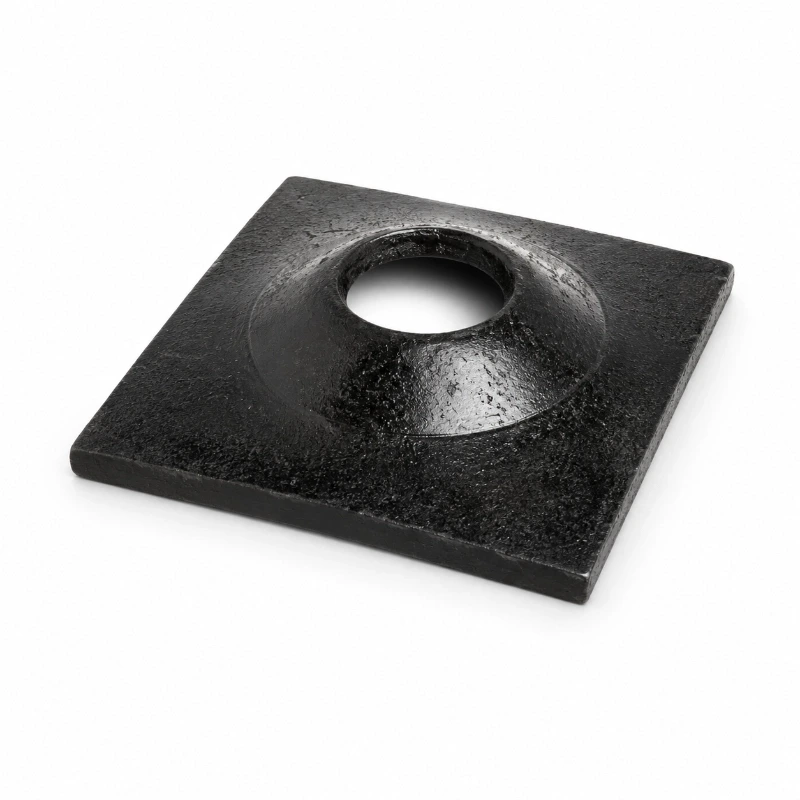
Sacrificial Drill Bit – Hollow Threaded Bar – Coupler – Bearing Plate & Nut
The hollow bar is used as part of the drilling string.
Once you have drilled to the desired depth you can pump grout through the centre of the bar.
Epicor also mention that Couplers can be used to join sections of SDA together.
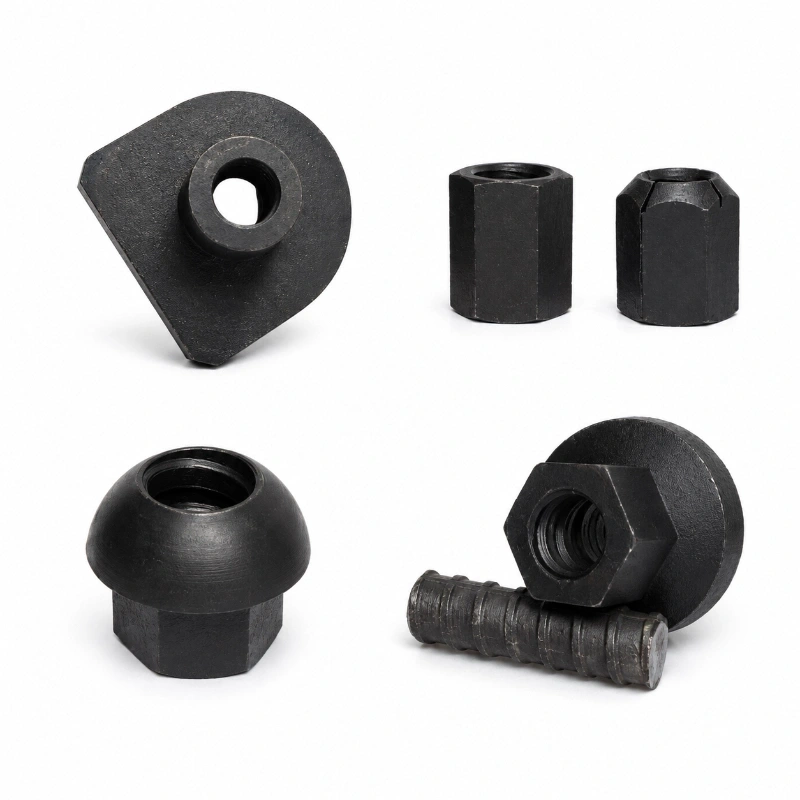
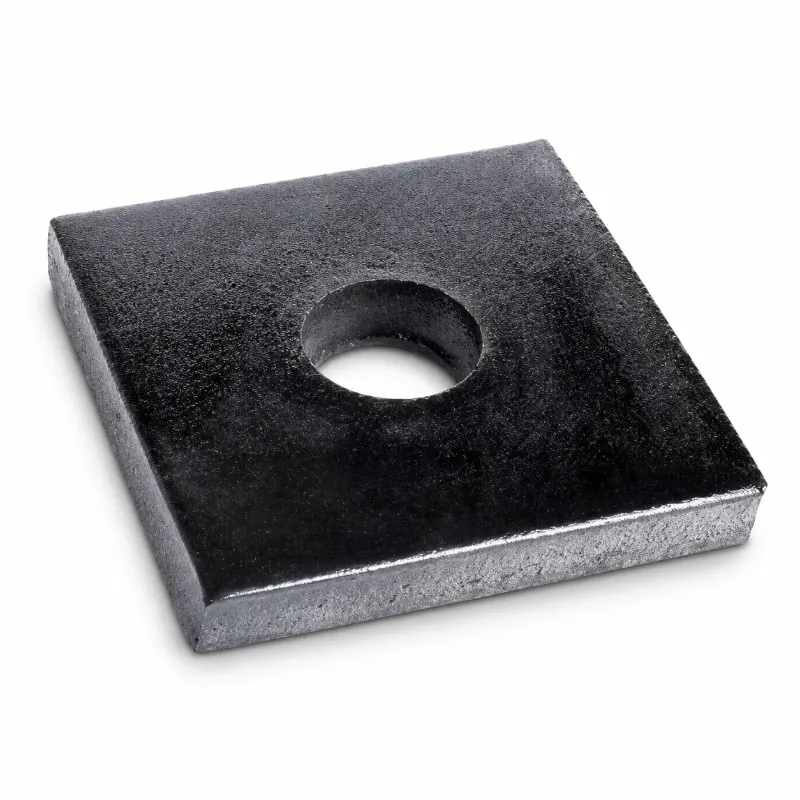
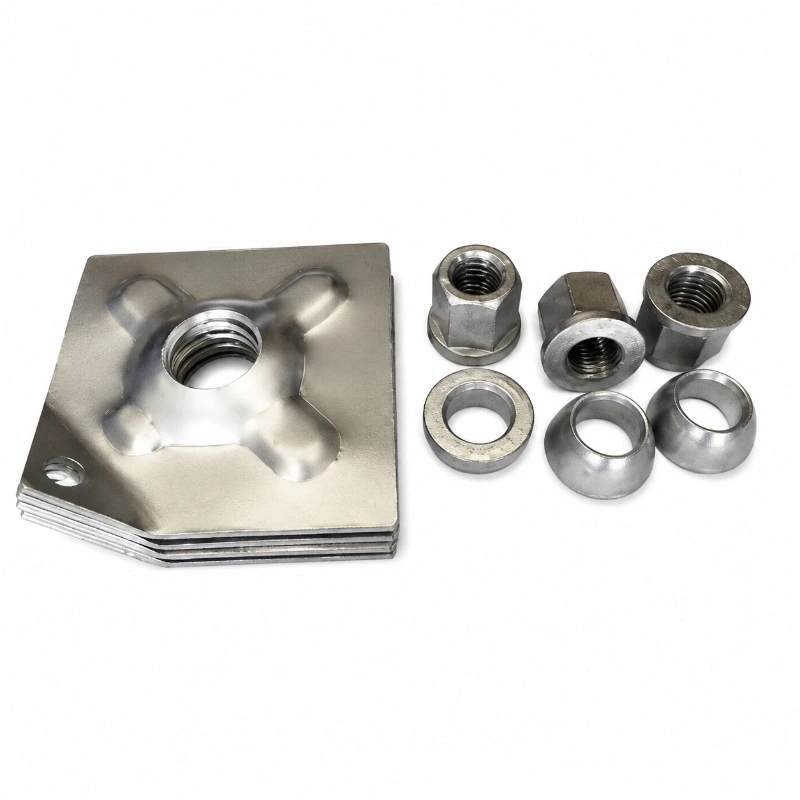
The Wanfeng range of T40 and T52 self drilling anchors also operate on the same principle. By using a hollow bar we can pump grout through our anchor. The corresponding nuts, couplers and bearing plates along with drill bit adaptors make up our self drilling anchor range.
So when is a hollow bar beneficial?
If your using a hollow bar to eliminate any additional drilling, cleaning, casing etc then yes.
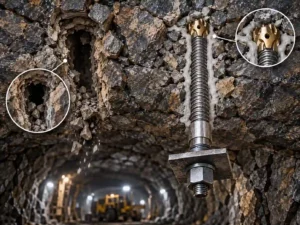
1. If the borehole is likely to cave in on itself.
This is probably the number one reason to use a Self Drilling Anchor.
If your rock face or ground is poor quality and you may have caving occur. It may not be a problem drilling the hole but it will be a problem when you pull your drill string out of the hole.
You will have rock cave in to your borehole or maybe the borehole will cave in on itself before you can place your conventional rock bolt.
By using a Self Drilling Anchor you are eliminating this from occurring.
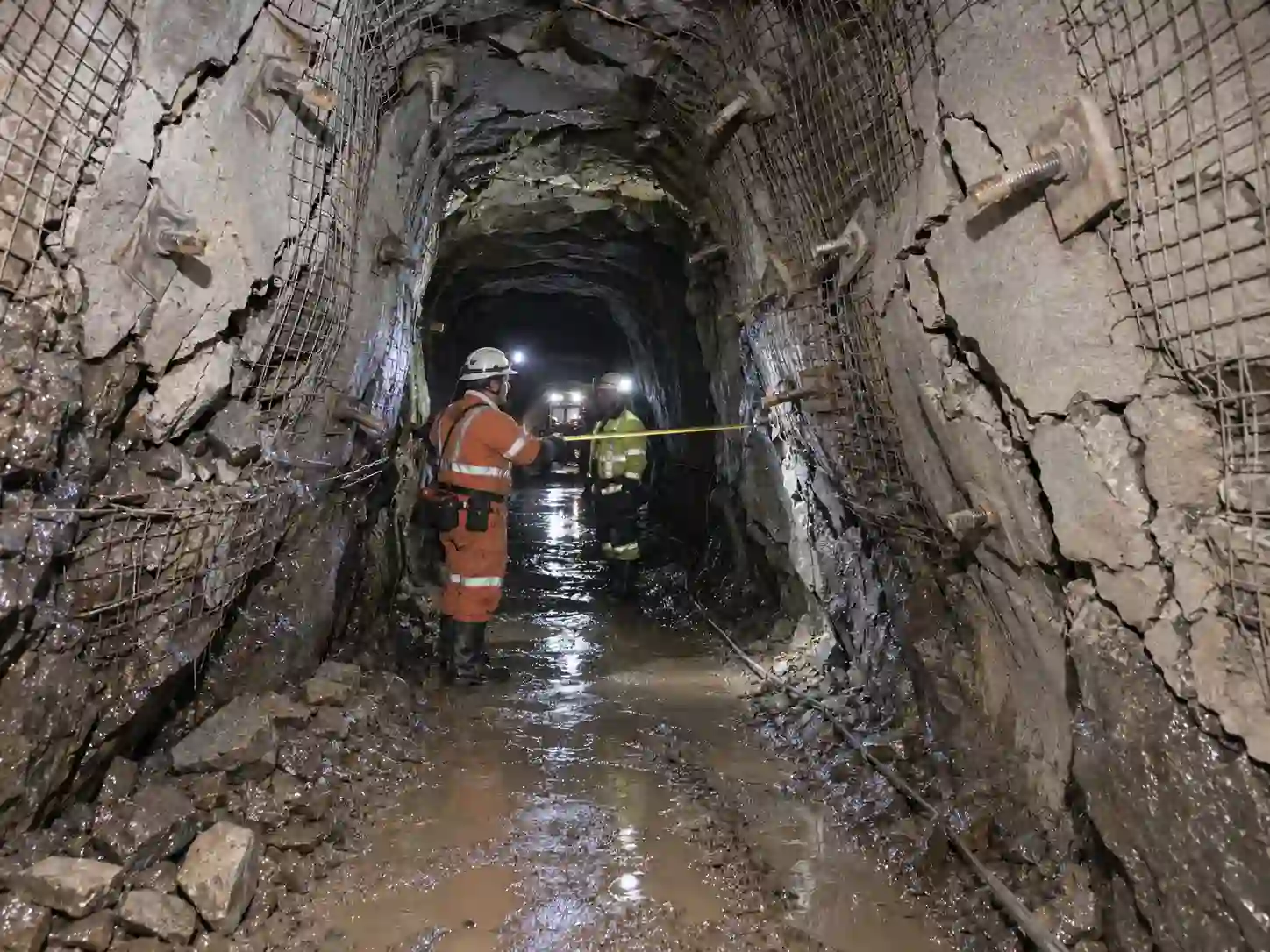
Wanfeng mentions this in there tunnel applications as well. If you have fractured ground or poor quality rock a Self Drilling Bolt may be beneficial.
2. When You May Want to Drill and Grout at The Same Time
Not only is the hollow bar a structural component.
But also a means to inject grout.
Which can help if you want to pressure grout or have a anchor that is fully encased in grout.
By using the hollow core of the bar after drilling Wanfeng allows grout to be injected through there center line. And the continued external thread can interact with their range of accessories and grout.
This could be beneficial when:
- Rock is fractured;
- Ground is loose;
- There is voiding;
- Supporting tunnels;
- Stabilising slopes;
- Working underground.
Just because an anchor has a hollow centre does not mean it’s self drilled.
Epiroc differentiate self drilling anchors from hollow core bolts by stating they use the same type of bar but are installed into a pre-drilled hole.
Something to consider when deciding which product to use.
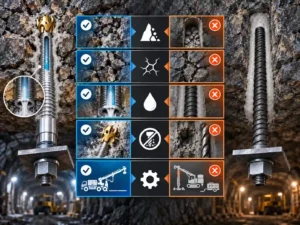
3. If Redrilling Will Cost More
If you find yourself drilling multiple holes into one section this could cost you money.
You will need to drill again; clear your hole; maybe use different drill bits; install casing; re-measure and line up your support. All this will cost time and money.
So when calculating if you should use a Self Drilling Anchor compare it to the cost of installing the support as a whole.
Cost of Support = Drill + Re-Drill + Install + Grout + Equip + Man Hours + Wait Time.
A SDA may cost more per unit but if it saves you time from having bad holes then its worth using one.
4. If Your Ground Changes
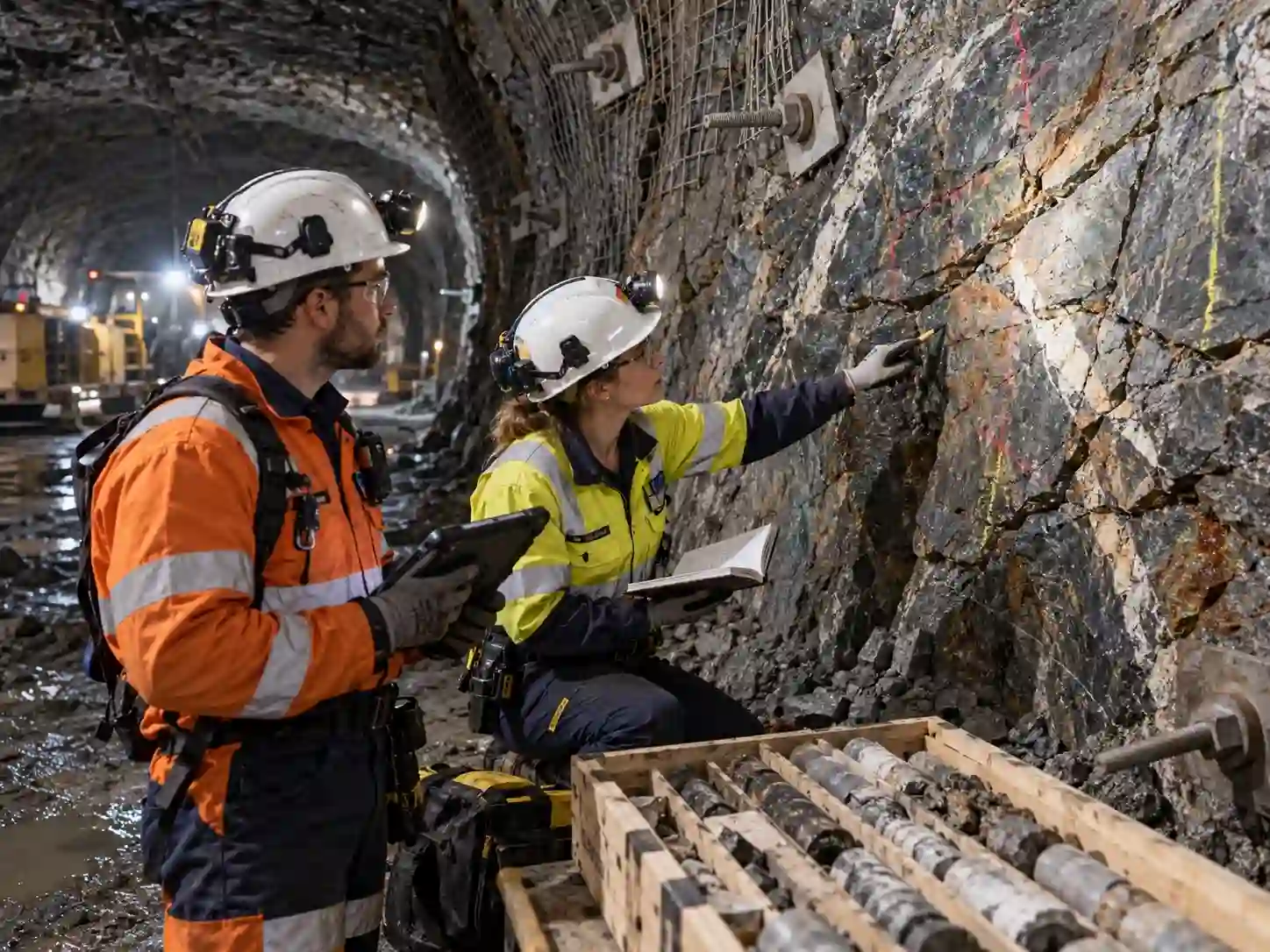
A normal drilled hole may have many different conditions. It may be through solid rock; cracks; soft rock or loose areas.
Therefor knowing if your hole will stay open after drilling is unknown.
Using a SDA the bar will be in the ground as you are drilling. You can also choose what drill bit to use. Epiroc state there are one use SDA’s that can be used to suit the ground.
When a Conventional Rock Bolt Is Usually More Practical
A self drilling anchor isn’t always preferable to a standard rock bolt.
When you are able to maintain an open borehole in good rock. The extra features that come with a hollow bar may not be worth the increase in system cost.
Using a conventional rock bolt may be preferable if:
- You can maintain your borehole;
- Have established resins bolting kit;
- Able to use mechanical/frictional anchoring;
- Do not require grout through bolt;
- Know what your conditions will be like during installation;
- Your current mine support cycle works well with conventional bolts.
All of these factors could allow you to lower your installed cost.
SDA’s are meant to be used as a solution to your support needs and shouldn’t be thought of as an advance over a solid rock bolt.
Using a Larger Hollow Bar Doesn’t Always Equal More Strength
Many believe that if you use a bigger self drilling anchor that it will out perform a conventional bolt.
The strength of the anchor will depend on:
- Size of bar;
- Steel;
- Threads;
- Anchorage;
- Grout;
- Ground around anchor;
- Overall support design.
There are also large variations in strengths with each size of SDA.
Here are some published numbers from Wanfeng.
| Model | Yuk ko'tarish qobiliyati | Yakuniy yuk |
| T40/20 | 430 kN | 540 kN |
| T40/16 | 520 kN | 660 kN |
| T52/26 | 730 kN | 929 kN |
| T76N | 1200 kN | 1600 kN |
| T76S | 1500 kN | 1900 kN |
These are the published values from the manufacturers of the above bars. They should not be taken as published values for all SDAs.
Anchors should therefore be selected based on your loads for a given project and not what ever the biggest size is available in.
Self Drilling Anchor Vs Conventional Rock Bolt Price
You can’t make any general statements about which will be cheaper.
Its all going to depend on how the system is priced out.
Cost of a Conventional Rock Bolt
- Could include the cost of drilling
- Bolt
- Resin/Grout
- O'rnatish
- Extra equipment needed for grouting if applicable
- Hole Cleaning
- Possible re-drilling
Cost of a Self Drilling Anchor
- Could include the cost of
- Hollow Threaded Bar
- Qurbonlik burg'ulash uchi
- Muftalar
- Plate & Nut
- Grout
- Drilling/Grouting equipment
- Additional Installation accessories.
As you can see there are more products involved in the Hollow System.
However if those extra products help to reduce issues that could increase installation cost they can be well worth it.
So when pricing a hollow system out remember this.
Will the price of my SDA bar reduce the overall cost of me getting an anchor into the ground?
When Not to Use Self Drilling Anchors
There are some applications that may not see any benefit from using a SDA.
Rock that stays open.
As long as your holes stay open and are able to be drilled with ease you can probably get a conventional rock bolt into the ground with no issues.
Does not require grouting
If you do not need to inject grout into your bolt through a hollow section you may find that a SDA provides no added benefit.
Fast development cycles that don’t require it
If you are in a fast repetitive mining environment and are able to install bolts with conventional equipment there may not be a reason to switch over to a SDA.
May not suit your current equipment
As mentioned you need to have the right equipment for your Self Drilling system. If your not able to support that system it may not be worth implementing.
Self Drilling Anchor vs Hollow Core Bolt
These two can sometimes be used interchangeably but should not be thought of as the same thing.
Self Drilling Anchors are part of your drill string and are left in place once drilled.
Where as Hollow Core Bolts can use a similar bar and be installed in a hole that has been drilled conventionally and then grouted through the middle.
Epiroc has broken this down on their website and explained both methods.
So if you want to take advantage of the hollow section in your bolt but don’t want to self drill. You can still achieve that.
Things To Consider When Choosing Your System
Some things to consider before choosing your system.
1. Will the bore hole remain open?
If yes then you may be able to use a conventional bolt. If no or you are unsure look at using SDA.
2. Do you require grout to pass through the anchor?
If yes you may find that a hollow bar will be beneficial. If no see if there are any other advantages.
3. Are your ground conditions very broken?
If your ground is likely to fail once drilled you may want to consider self drilling.
4. Do you currently spend much time and money on re-drilling?
If so maybe its worth looking into SDA as opposed to only looking at bolt cost.
5. What equipment do you have available?
Ensure you can install what you choose to purchase.
- Self Drilling Anchor RFQ
- To obtain a quote we need to know the following.
- Ilova
- Ground Conditions
- Anchor Size
- Required Yield/Ultimate
- Uzunlik
- Thread Type (Right or Left)
- Drill Bit
- Ulagich
- Plitalar hajmi
- Grout
- Korozyondan himoya
- Installation Equipment
- Miqdori
- Drawings
We currently offer T40, T52, T73, T76 T103 and many more Self Drilling Anchors and ancillary products.
Learn More About
Toshlarni murvatlash va langarlash tizimlari
TSS
1. Will a self drilling anchor have a higher strength than a normal rock bolt?
Not always this will depend on what bar and steel section you use as well as your anchorage and supports. The benefit of using a SDA is being able to install it in bad ground.
2. Why is a self drilling anchor hollow?
The self drilling anchor has a hollow centre to allow the bar to drill and inject grout.
3. What situations would I want to use a self drilling anchor?
Where you can’t get a hole in the ground and keep it open long enough to install a conventional bolt. This can occur with weak ground that breaks down easily.
4. Do all hollow core anchors need to self drill?
No they can be installed into drilled holes and grouted through the centre.
5. Are Self Drilling Anchors more expensive?
The components of a self drilling anchor system are usually more complex. But again it depends on what your trying to achieve. If your drilling bad ground and having to re-drill many holes this could be costlier. Grout quantities and time and labour to drill will all effect your cost.
Conclusion: When will you see benefits from a Hollow Bar?
When it comes to choosing a self drilling anchor it’s not because it’s hollow. Or the fact that it may have a bigger diameter or more complex system.
A self drilling anchor will give you the ability to drill, reinforce and inject grout through the same bar.
This can help with poor ground conditions that may cause problems when drilling with normal rock-bolts.
If you have good stable ground there may be a better and cheaper rock-bolt solution.
But if the ground is not as stable and will not allow you to drill and keep the hole open to install a rock-bolt. Then the self drilling anchor could be a good option for your project.
 Tegishli




Har doim ajoyib xizmat