

-
 Penggunaan Resin vs. Semen untuk Grouting: Metode Pengikatan Mana yang Harus Anda Pilih?
 - 11 September 2026
 Penggunaan Resin vs. Semen untuk Grouting: Metode Pengikatan Mana yang Harus Anda Pilih?
 Penggunaan Resin vs Semen untuk Pemasangan Baut Batuan: Cara Memilih Sistem Penjangkaran yang Tepat
Apa itu pengisian celah (grouting) pada baut batuan?
Pengisian celah (grouting) berarti mengisi celah antara elemen penguat dan batuan di sekitarnya dengan material pengikat.
Tujuan dari pengisian celah (grouting) adalah:
- Meningkatkan ikatan antara baut dan batuan;
- mendistribusikan kembali beban dari area batuan yang tidak stabil;
- meningkatkan keandalan sistem penguatan;
- mengurangi pergerakan batuan di sekitar lubang bawah tanah.
Mekanisme transfer beban yang disederhanakan dapat digambarkan sebagai:
Pergerakan Batuan → Baut → Resin/Grout → Batuan Sekitar
Material jangkar berfungsi sebagai media pengikat antara elemen penguat dan fitur geologis.
Oleh karena itu, memilih metode pengisian celah yang tepat sangat penting untuk merancang sistem penyangga tanah yang berkualitas.
Baca selengkapnya tentang penguatan bawah tanah di sini: Apa Itu Penopang Tanah dalam Pertambangan dan Pembuatan Terowongan?
Penggunaan Resin Grouting vs Semen Grouting: Perbedaan Utama
| Fitur | Pengisi Resin | Pengisian Semen |
| Jenis Material | Sistem resin kimia | Mortar berbahan dasar semen |
| Metode Penjangkaran | Perekat di sekitar baut | Perekat dan pengisian di sekitar jangkar |
| Kecepatan Instalasi | Biasanya lebih cepat sembuh | Biasanya membutuhkan waktu pengeringan yang lebih lama. |
| Pengembangan Kekuatan Dini | Umumnya lebih cepat setelah penyembuhan | Berkembang secara bertahap |
| Persyaratan Peralatan | Kartrid resin atau peralatan injeksi | Peralatan pencampur dan pemompaan |
| Biaya Material | Secara umum lebih tinggi | Umumnya lebih rendah untuk aplikasi bervolume besar. |
| Kegunaan Umum | Pemasangan baut cepat, penambangan, dan penguatan terowongan | Pemasangan jangkar, pengisian celah, dan penguatan tanah skala besar. |
Tidak ada sistem yang cocok untuk setiap aplikasi.
Seleksi harus mempertimbangkan:
- kondisi batuan;
- persyaratan penggalian;
- jenis baut;
- metode pemasangan;
- masa pakai yang dibutuhkan.
Apa itu Resin Grouting untuk Baut Batuan?
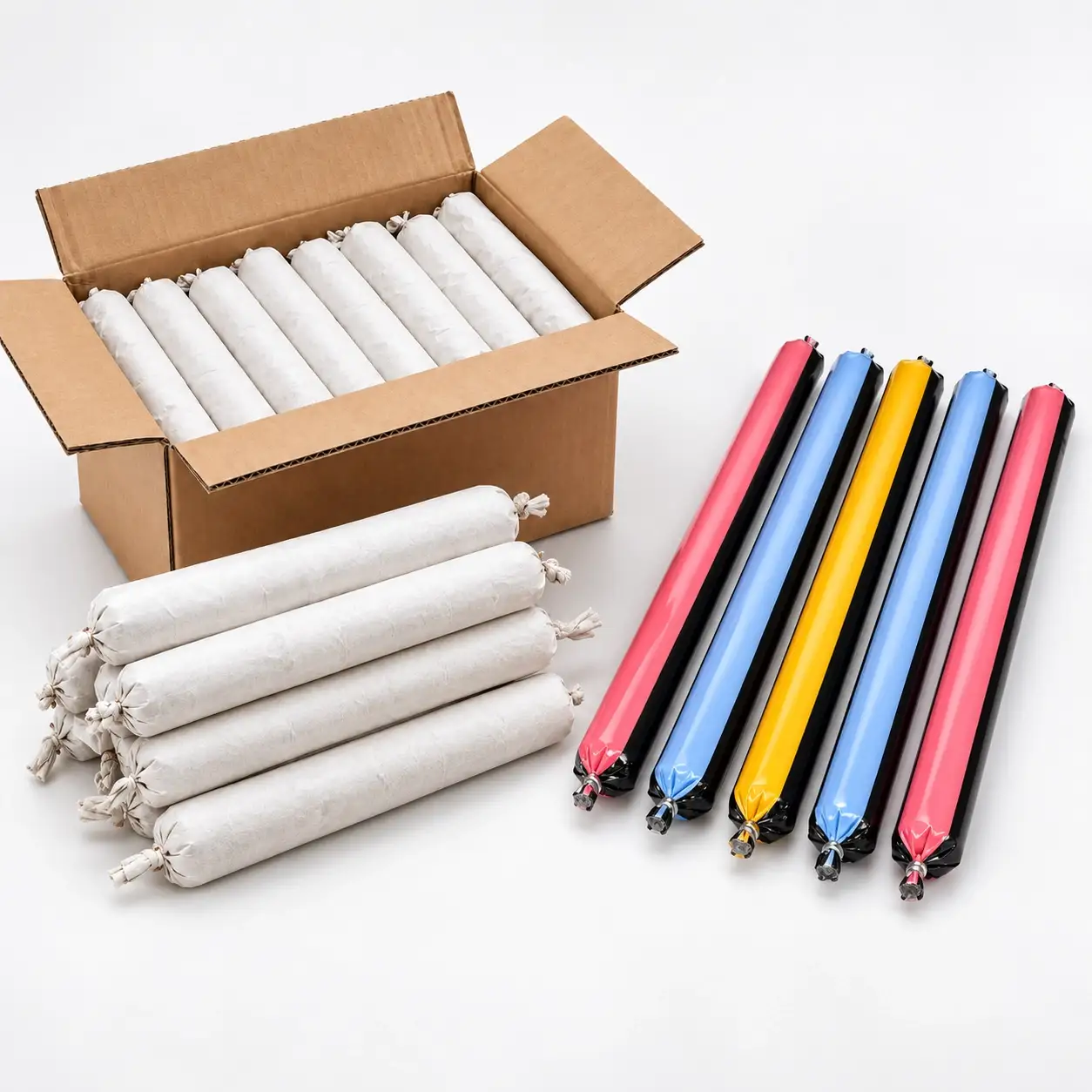
Bahan pengikat kimia yang digunakan untuk pengisi celah resin dipasok dalam format kartrid.
Proses instalasi dasar:
- Masukkan kartrid resin ke dalam lubang.
- Masukkan dan putar baut batu.
- Campurkan komponen resin
- Biarkan resin mengering di sekitar baut.
- Resin tersebut merekatkan baut ke tanah di sekitarnya.
Performa akhir akan dipengaruhi oleh:
- spesifikasi resin;
- kondisi lokasi yang memengaruhi proses pengeringan;
- kualitas lubang bor;
- prosedur instalasi;
- kondisi tanah sekitarnya.
Jenis-jenis jangkar yang umum digunakan dengan sistem resin meliputi:
- baut batu berulir;
- baut atap;
- penguatan bawah tanah;
- menopang permukaan terowongan.
Wanfeng menyediakan material pengisi celah dan penahan untuk memenuhi berbagai kebutuhan penopang tanah.
Keunggulan Penggunaan Resin Grouting
Kecepatan Instalasi Cepat
Sistem resin dapat mencapai pengerasan yang jauh lebih cepat daripada adukan semen.
Untuk proyek yang membutuhkan penggalian dan penguatan agar tetap berjalan sesuai rencana, pemasangan yang lebih cepat dapat menghasilkan waktu siklus yang lebih baik.
Manfaat ini dapat sangat berharga selama operasi bawah tanah di mana pemasangan penyangga merupakan bagian dari keseluruhan siklus penggalian.
Perkembangan Pesat Kekuatan Penjangkaran
Penguatan dengan resin dapat mencapai kekuatan yang signifikan segera setelah pencampuran dan pemasangan.
Hal ini memungkinkan sistem resin digunakan dalam aplikasi di mana kekuatan penopang awal sangat penting.
Perlu diingat bahwa peningkatan kekuatan dipengaruhi oleh:
- resin yang digunakan;
- suhu;
- prosedur pencampuran;
- kondisi instalasi.
Pemasangan Mudah
Kartrid resin dapat mempermudah proses pemasangan karena resin sudah dikemas sebelumnya.
Variasi rasio campuran yang dihitung diminimalkan dengan menggunakan kartrid dibandingkan dengan bahan yang dicampur di lokasi.
Ideal untuk Instalasi Mekanisasi
Banyak pemasangan baut batuan sekarang dilakukan menggunakan peralatan mekanis.
Kartrid resin dapat digunakan bersama dengan peralatan pengencangan baut tergantung pada aplikasi dan persyaratan penopang.
Keterbatasan Penggunaan Resin Grouting
Meskipun terdapat banyak manfaat dari penjangkaran resin, ada beberapa keterbatasan yang perlu dipertimbangkan.
Sensitivitas Suhu
Sifat pengerasan resin dapat bervariasi tergantung pada suhu bawah tanah.
Suhu ekstrem dapat berdampak buruk pada proses pengerasan resin.
Kualitas Sumur Bor
Kinerja penjangkaran dipengaruhi oleh:
- diameter lubang;
- kebersihan lubang;
- penyimpangan lubang;
- Waktu instalasi.
Biaya Material
Bahan resin bisa lebih mahal daripada semen grout.
Biaya material harus dipertimbangkan untuk proyek yang membutuhkan volume pengisi celah yang besar.
Apa itu pengisian semen (grouting) untuk jangkar batuan?
Penyuntikan semen melibatkan bahan-bahan berbahan dasar semen yang dicampur dengan air untuk membuat adukan.
Campuran adukan ini ditempatkan ke dalam lubang bor atau ruang kosong dan dibiarkan mengeras, membentuk sistem penguatan yang terikat.
Penggunaan semen untuk pengisian celah (grouting) umumnya meliputi:
- aplikasi pembuatan terowongan;
- konstruksi bawah tanah;
- proyek stabilisasi lereng;
- dukungan yayasan;
- jangkar berskala besar.
Tekanan injeksi, sifat adukan semen, dan kondisi lokasi juga dapat memungkinkan adukan semen untuk mengisi retakan atau ruang kosong tertentu di dekat jangkar.
Keunggulan Penggunaan Semen Grouting
Membantu Meminimalkan Biaya untuk Proyek yang Lebih Besar
Karena sifat material berbasis semen yang lebih murah dalam volume yang lebih besar, adukan semen sering digunakan untuk aplikasi yang membutuhkan penguatan dalam jumlah besar.
Efektif bila digunakan untuk aplikasi pengisian celah sepanjang keseluruhan dinding.
Pengisian celah penuh mengacu pada pembuatan zona pengikat di sepanjang keseluruhan panjang jangkar.
Mortar semen dapat mengeras dan mencapai kekuatan ikatan yang signifikan sepanjang panjang angkur sehingga ideal untuk:
- baut batuan yang diisi penuh dengan adukan semen;
- angkur pengisi celah berongga;
- aplikasi pengisian celah yang lebih dalam.
Membantu Mengisi dan Memadatkan Tanah
Jika kondisinya memungkinkan, adukan semen dapat digunakan untuk membantu:
- timbunan/diskontinuitas di sekitar penggalian;
- mengisi rongga di sekitar tulangan;
- membantu memperkuat landasan.
Hasilnya akan bervariasi tergantung pada karakteristik adukan, tekanan yang dipertahankan selama injeksi, dan struktur batuan di sekitarnya.
Ideal bila digunakan dengan Jangkar Pengisi Berongga
Mortar semen cocok digunakan dengan angkur pengisi celah berongga.
Adonan semen dapat dipompa melalui bagian tengah jangkar dan didorong keluar ke batuan di sekitarnya.
Pelajari Lebih Lanjut Tentang Wanfeng Sistem Pengencangan dan Penjangkaran Batuan
Kekurangan Penggunaan Semen Grouting Dijelaskan
Peningkatan Kekuatan yang Lebih Lambat
Berbeda dengan beberapa sistem resin, adukan semen biasanya membutuhkan waktu lebih lama untuk mencapai kekuatan yang diinginkan.
Hal ini dapat berdampak pada jadwal proyek.
Kebutuhan Peralatan
Pemasangan adukan semen biasanya membutuhkan:
- mixer
- pompa
- pengendalian air
- proses penjaminan mutu.
Faktor-faktor yang Mempengaruhi Kinerja
Keberhasilan dalam pengisian celah dengan semen juga bergantung pada faktor-faktor seperti:
- desain campuran (misalnya rasio air-semen)
- metodologi pencampuran
- tekanan yang diberikan selama proses pengisian celah
- tingkat pengisian yang dicapai
- kondisi pengeringan
Kapan Menggunakan Resin atau Semen untuk Pengisi Celah?
Tidak ada jawaban sederhana untuk pertanyaan ini. Sebaliknya, Anda harus mempertimbangkan apa yang dibutuhkan oleh proyek rekayasa Anda.
Butuh Penguatan Cepat? Pertimbangkan Resin.
Anda mungkin ingin memilih resin untuk proyek bawah tanah di mana:
- Kecepatan pemasangan sangat penting.
- Kekuatan sejak dini dibutuhkan.
- Peralatan pengencang baut mekanis akan digunakan.
Butuh banyak adukan semen? Silakan.
Anda mungkin lebih memilih adukan semen ketika Anda perlu:
- memasang adukan semen dalam jumlah besar
- mencapai penjangkaran kolom penuh
- Isilah tanah sebagai bagian dari strategi penguatan Anda.
Tanah yang lemah? Tergantung.
Saat menghadapi kondisi tanah yang buruk, pilihan Anda antara resin atau semen akan bergantung pada faktor-faktor seperti:
- geologi
- kondisi air tanah
- kedalaman tulangan yang dibutuhkan
- perencanaan penggalian
Teknisi Anda mungkin akan merekomendasikan:
- menggunakan jangkar pengisi celah berongga
- menggunakan baut yang terpasang penuh dengan nat
- menggunakan baut yang ditambatkan dengan resin
- menggunakan beberapa kombinasi dari hal-hal di atas.
Ingat, tidak ada solusi baku untuk penguatan tanah.
Apakah Resin dan Semen Dapat Digunakan Sebagai Bahan Pengisi Celah dalam Proyek yang Sama?
Sangat.
Meskipun beberapa proyek menggunakan resin dan semen sebagai bahan pengisi, keduanya biasanya tidak memiliki fungsi yang sama. Salah satunya mungkin digunakan untuk penjangkaran awal sementara yang lain menyediakan penguatan memanjang utama.
Semuanya tergantung pada spesifikasi proyek. Pada umumnya, keduanya tidak digunakan bersamaan sebagai adukan hibrida.
Baut Resin vs Baut yang Diisi Semen
| Perbandingan | Baut Resin | Baut yang Diisi dengan Semen |
| Instalasi | Instalasi berbasis kartrid yang lebih cepat. | Membutuhkan pencampuran dan injeksi |
| Dukungan Awal | Biasanya lebih cepat setelah penyembuhan. | Berkembang secara bertahap |
| Skala Proyek | Seringkali cocok untuk siklus penguatan yang cepat. | Seringkali cocok untuk program penguatan yang lebih besar. |
| Peralatan | Alat pemasangan kartrid | Peralatan pencampur dan pemompaan |
| Aplikasi Umum | Penguatan pertambangan, penyangga terowongan | Terowongan, jangkar, penguatan tanah |
Panduan Memilih Material Penjangkaran yang Tepat
Sebelum memilih pengisi celah berbahan resin atau semen, Anda harus mengajukan pertanyaan-pertanyaan berikut kepada diri sendiri.
1. Kondisi Geomekanik
- kekuatan batu.
- patah tulang.
- air tanah.
- kondisi stres.
- karakteristik deformasi.
2. Berapa lama Anda membutuhkan dukungan tersebut?
- Seberapa cepat setelah pengeboran Anda perlu melakukan penguatan?
- Apakah Anda memerlukan penyangga saat melakukan penggalian?
- Berapa lama perkiraan masa pakainya?
3. Tipe Baut
Apa pun material jangkar yang Anda pilih, material tersebut harus kompatibel dengan sistem penguatan Anda.
Contoh penggunaan:
- Resin ‣ baut batu/baut atap berulir
- Mortar semen ‣ angkur berongga/baut yang diisi penuh dengan mortar
4. Kondisi Pemasangan
- Peralatan Pengeboran
- Akses bawah tanah
- Pekerja dan peralatan tersedia
- Peralatan pengisi celah
5. Lingkungan Jangka Panjang
- air tanah
- potensi korosi
- paparan bahan kimia
- masa hidup proyek
Aplikasi Resin dan Semen Grouting
Penambangan Bawah Tanah
Terdapat banyak sistem penguatan tanah yang dapat digunakan di bawah tanah, seperti:
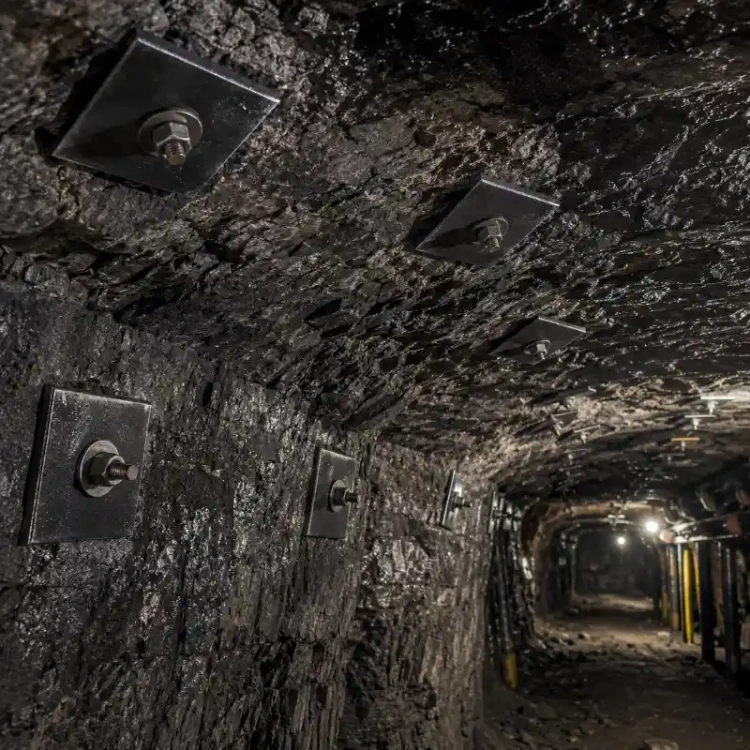
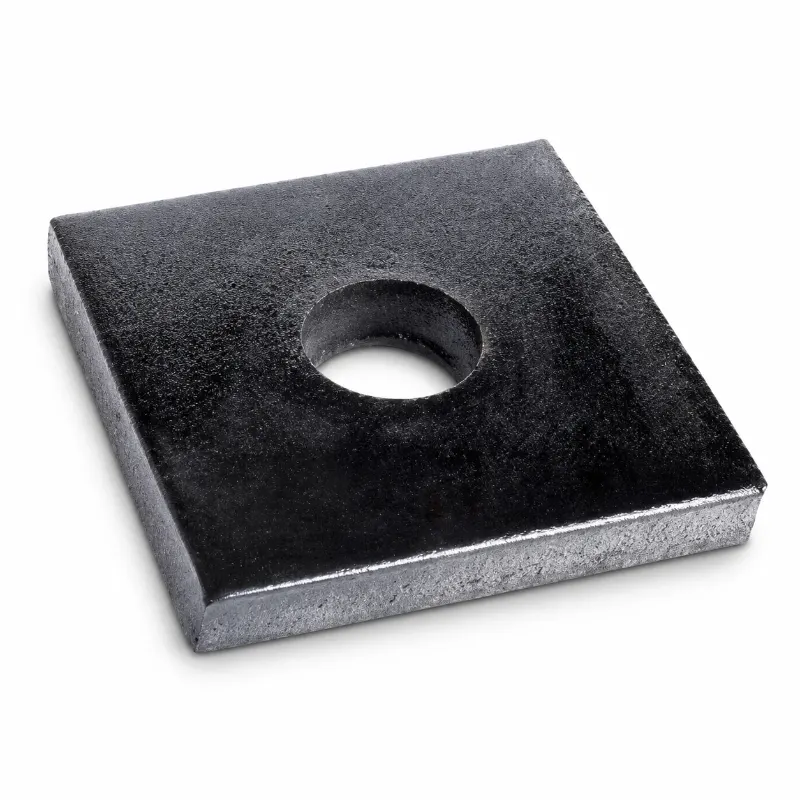
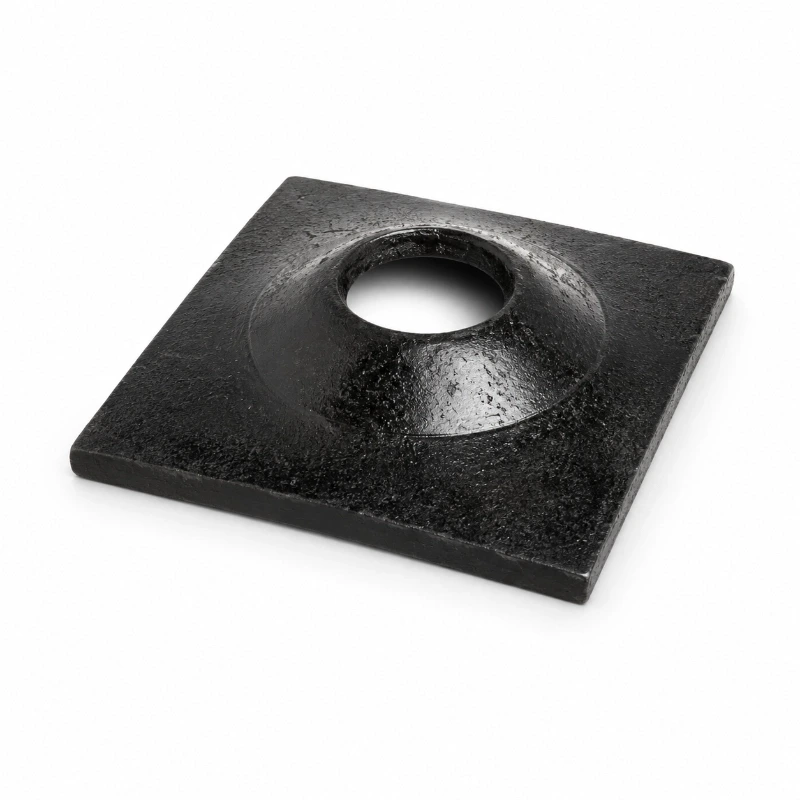
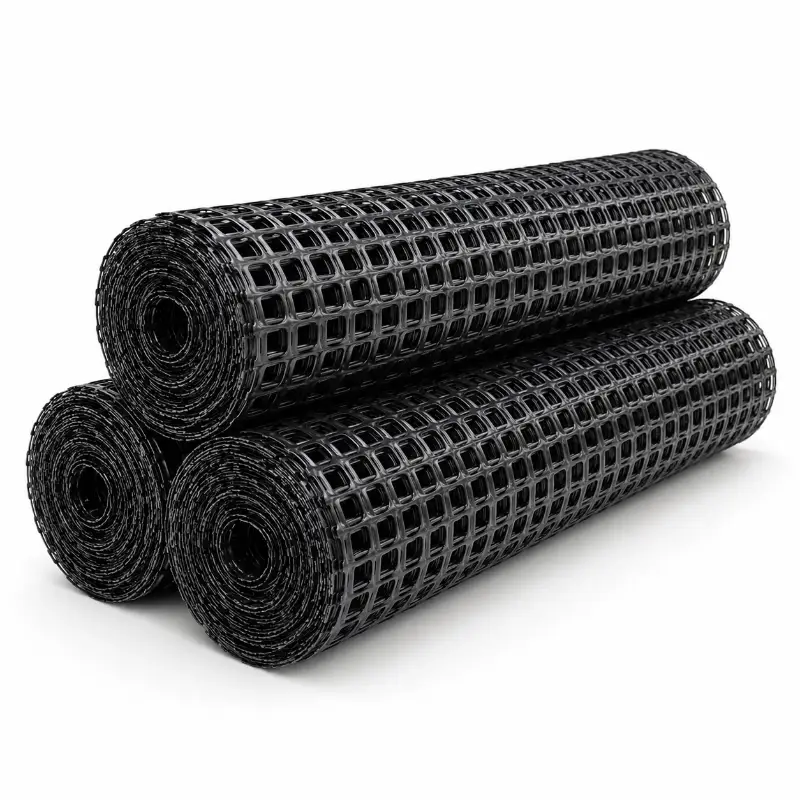
Baut Batu + Kartrid Resin + Pelat Bantalan + Jaring
atau
Baut yang terisi penuh dengan adukan semen + komponen pendukung permukaan.
Pilihan mana pun yang Anda ambil akan didasarkan pada desain tambang dan kondisi geologis Anda.
Terowongan
Saat memperkuat terowongan, ada juga banyak pilihan seperti:
- baut batu
- jangkar pengisi semen
- jaring
- penyangga baja
Di Wanfeng, kami menyediakan layanan lengkap. Sistem Penopang Baja
Itu bisa digunakan untuk penguatan bawah tanah.
Lereng
Anda juga dapat menggunakan sistem jangkar yang digunakan dengan pengisi celah untuk:
- lereng jalan raya
- lereng tambang
- dukungan penggalian
Mengapa Memilih Wanfeng?
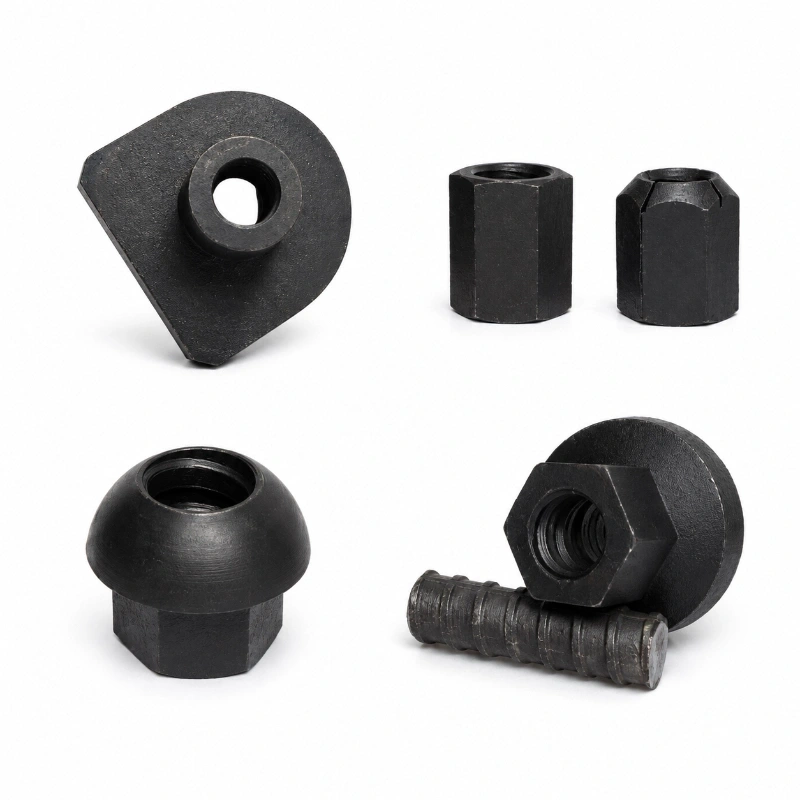
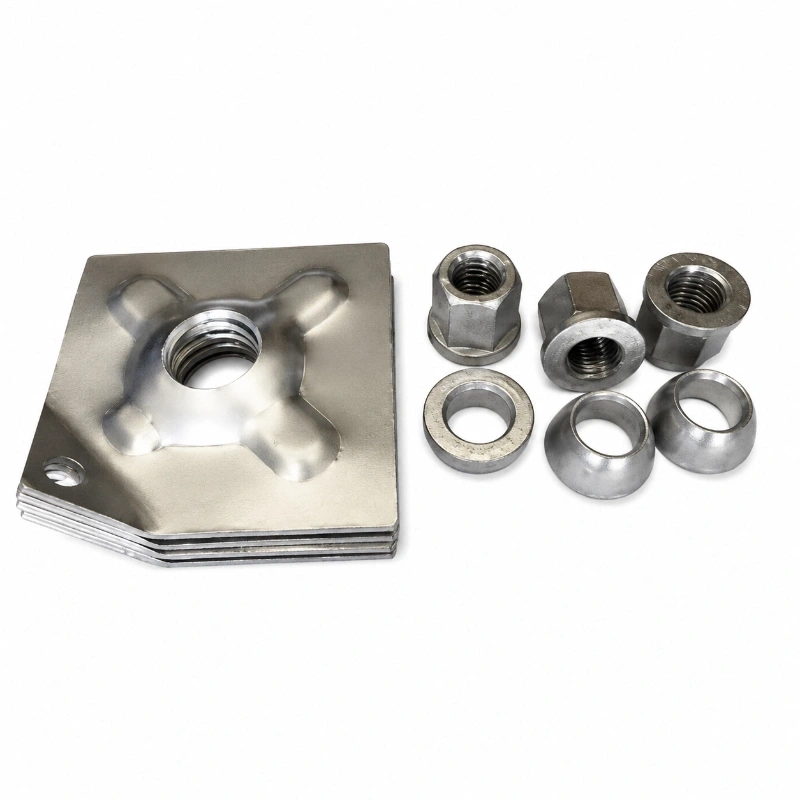
Di Wanfeng, kami menawarkan berbagai produk penopang tanah untuk proyek pertambangan bawah tanah, pembuatan terowongan, stabilisasi lereng, dan pondasi. Produk kami meliputi sistem baut dan jangkar batuan, material pengisi celah dan jangkar, material penopang/penguatan permukaan, dan sistem penopang baja.
Dengan menawarkan baut, jangkar, pelat, jaring, dan material penahan tanah semuanya di satu tempat, kami memungkinkan pelanggan kami untuk menciptakan solusi penopang tanah yang kompatibel yang dapat digunakan dalam berbagai jenis kondisi teknik.
Pertanyaan yang Sering Diajukan (FAQ)
Q1: Apakah resin lebih kuat daripada semen grout?
A: Belum tentu. Tidak ada yang secara inheren lebih kuat daripada yang lain. Keduanya memiliki keunggulan unik. Misalnya, sistem resin biasanya memungkinkan pengeringan yang lebih cepat. Pengisian celah semen penuh lebih disukai untuk jangkar panjang dan proyek penguatan skala besar.
Q2: Mana yang lebih murah, resin atau semen grouting?
A: Mortar semen biasanya memiliki biaya material yang lebih rendah untuk aplikasi dalam jumlah besar, tetapi sistem resin memungkinkan pemasangan yang lebih cepat.
Q3: Bisakah baut resin digunakan di bawah tanah?
A: Tentu saja. Baut resin sangat umum digunakan di tambang bawah tanah yang membutuhkan pemasangan cepat dan dukungan penguatan sejak dini.
Q4: Bisakah Anda menggunakan adukan semen dengan baut batu?
A: Ya. Semen grouting umumnya digunakan dengan baut batuan yang diisi penuh dan jangkar grouting berongga.
Q5: Metode pengisian celah mana yang lebih baik untuk terowongan?
A: Ini bukan soal mana yang lebih baik daripada yang lain. Solusi yang tepat didasarkan pada geologi terowongan, metode konstruksi, desain penguatan, dan persyaratan proyek secara keseluruhan.
Q6: Bisakah saya menggunakan resin dan semen sebagai bahan pengisi celah pada proyek yang sama?
A: Tentu saja! Banyak proyek menggunakan kedua sistem tersebut karena area yang berbeda dalam proyek memiliki kebutuhan penguatan yang berbeda.
Kesimpulan: Kedua Sistem Memiliki Perannya Masing-masing
Meskipun pemasangan resin dan semen memiliki kelebihan dan kekurangan yang unik, keduanya merupakan teknik penjangkaran yang umum digunakan di lingkungan pertambangan, pembuatan terowongan, dan geoteknik saat ini.
Berikut beberapa hal yang perlu dipertimbangkan saat mengevaluasi kebutuhan pengisian nat Anda:
Resin digunakan untuk sebagian besar aplikasi di mana:
- Pemasangan cepat sangat dibutuhkan.
- Kekuatan sejak awal sangat dibutuhkan.
- kru proyek lebih menyukai instalasi berbasis kartrid.
Mortar semen digunakan untuk sebagian besar aplikasi di mana:
- Penguatan skala besar diperlukan.
- Pengisian celah penuh (grouting) sangat diinginkan.
- Anggaran proyek merupakan perhatian utama.
Tidak ada satu solusi yang secara inheren lebih baik daripada yang lain. Solusi terbaik untuk proyek Anda akan didasarkan pada geologi proyek, jenis baut, metode pemasangan, dan persyaratan proyek.
Di Wanfeng, kami menawarkan layanan yang disesuaikan. solusi dukungan darat untuk proyek pertambangan, pembuatan terowongan, dan penguatan tanah Anda. Produk kami meliputi baut batuan, sistem jangkar, material pengisi celah, pelat, dan banyak lagi.
 Terkait




Pelayanan Prima Setiap Saat