
-
 Support Strategies for Squeezing Ground and Weak Rock Masses
- 22nd Oktober 2026
 Support Strategies for Squeezing Ground and Weak Rock Masses
Squeezing Ground Support Strategies for Weak Rock Masses
1. What Is Squeezing Ground?
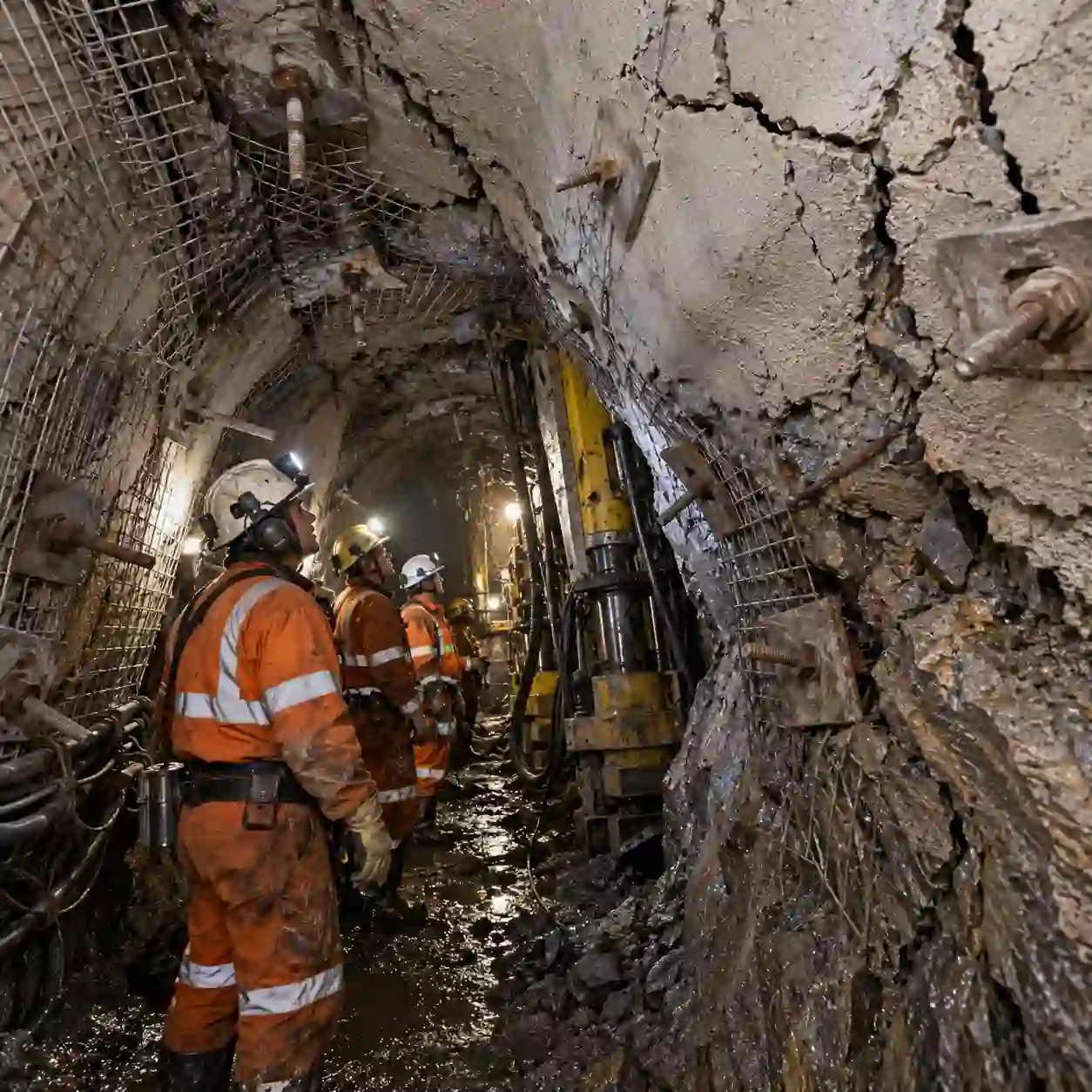
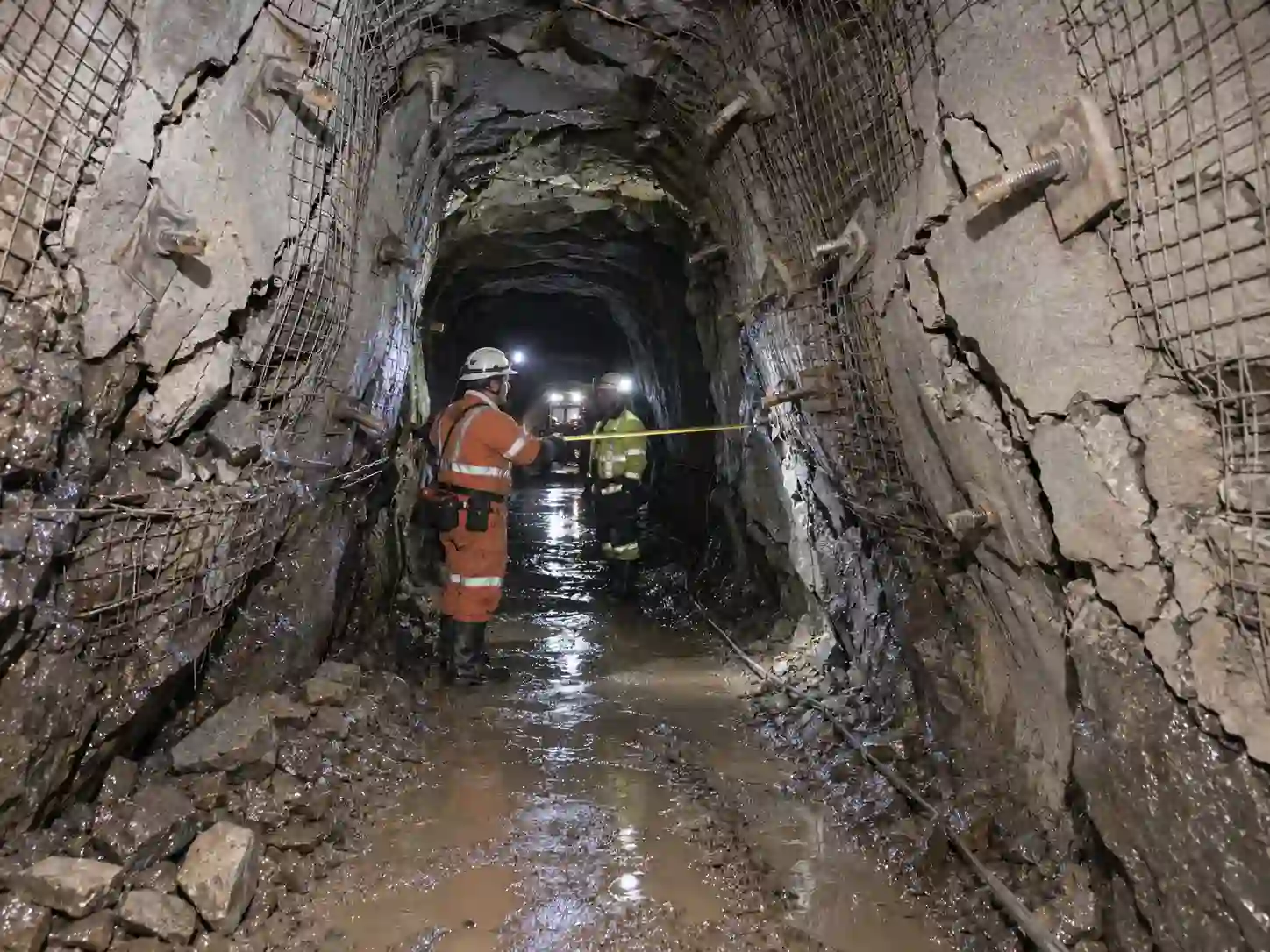
Squeezing ground occurs when the surrounding rock mass undergoes significant deformation. This can be a time dependent movement.
Usually when the excavation has created high stresses in comparison to the rock mass strength.
There is a qualitative definition given by the International Society for Rock Mechanics regarding what constitutes squeezing. More information can be found here Tunnel Deformation and Yielding Support Systems.
These formations can include:
- Weak/sheared rock
- Faults
- Weak schistose rocks
- Some shales/mudstones
- Heterogeneous rock masses
- Heavily fractured rock with poor stress conditions.
These geologies alone cannot tell you if your ground will squeeze.
Rock mass strength/stress ratio, groundwater, excavation shape and rate of advance all need to be taken into account.
Is Squeezing Ground The Same As Weak Rock?
No
Weak Rock is defined as rock material or rock mass that has a low strength.
Squeezing ground is defined by its behaviour around an excavation.
You could have a weak rock mass and not experience any significant amounts of squeezing. You could also have an excavation through weak rock that is located at great depth and experience large deformations.
Understanding this difference is important when trying to select a support system.
For general support selection principles, see Ground Support Design: Matching the System to Rock Mass Conditions.
2. Why Does Squeezing Ground Cause Support Failure?
By excavating you are removing material that was helping to hold back the surrounding rock mass.
Therefor a change in stress occurs around an opening.
If the surrounding rock mass is unable to withstand these stresses it can result in yield/deformation.
Common Manifestations
Convergence of tunnel
Side walls, roof and/or floor of the excavation can converge closing off the area.
Cracking of shotcrete
Due to shotcretes relatively high stiffness it can crack when deformation occurs.
Overloading of rock bolts
Can be subjected to large axial load, shearing and bending from deformations that occur.
Distortion of steel support
If the deformation is greater than what your steel support can take it may become useless.
Heaving of the floor
Can cause problems with working in the tunnel and/or draining of water.
More deformation
After excavating more deformation can occur. This can result in more repairs and up keep of the tunnel.
Knowing how much support you will need based on deformations and your surrounding rock mass is key.
There has been many studies on yielding tunnel supports. Such as deformable members, compressible members, shotcrete that can yield and steel arch’s with slide plates.
More Information: A Critical Review on the Performance of Yielding Supports in Squeezing Tunnels
3. Assessing Squeezing Potential Before Support Selection
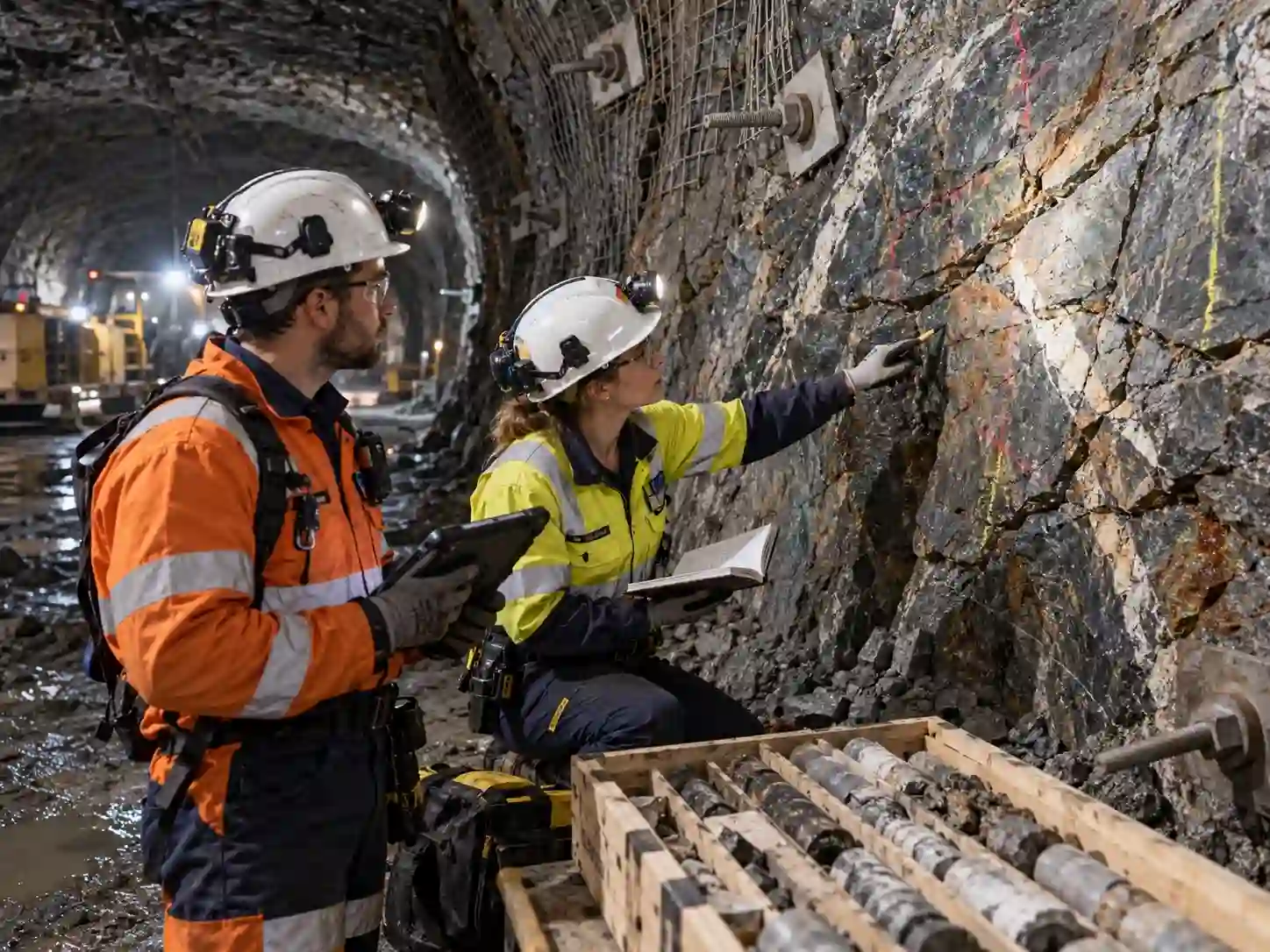
You should start your ground support method with some geotechnical data instead of picking a bolt or arch.
Data you will want to know about:
- Rock Strength
- Structure of Rock mass
- GSI if applicable
- Stresses in place
- Depth and shape of Excavation
- Ground Water
- Faults and weak areas
- Deformation you may expect
- Method of construction
- Life of your design
Rock Mass Classifications
There are many classifications to help describe the ground.
RMR, Q-System or GSI values will not give you the full picture when dealing with severe squeezing ground.
Stress and deformation should also be taken into account.
See our article on Using RMR and the Q-System to Select Ground Support.
Rock Mass Strength compared to Stresses
Hoek and Marinos have developed methods to estimate squeezing in weak rock masses that are non homogeneous.
It goes to show that rock mass strength compared to stresses in place is what you should be concerned about.
See our article Predicting Tunnel Squeezing Problems in Weak Heterogeneous Rock Masses.
These methods can give you a starting point as far as engineering is concerned. But they should not be used in lieu of a proper excavation and support analysis.
4. Strategy One: Use Deformation-Compatible Reinforcement
Conventional reinforcement will work if you have the correct load and movement requirements for the reinforcement.
When working with squeeze you may require your reinforcement to yield and allow for large amounts of movement.
Yielding Rock Bolts
Rock bolts can be designed to allow for movement while with standing loads.
These must be tested to ensure they meet these load movement criteria.
- Yield/ Working Load
- Beban Maksimum
- Amount of movement allowed
- Load movement criteria
- Anchor
- Connections
- Serviceability period
Having high strength bolts does not mean they will have a high movement capability.
Do not call a standard steel bar a yielding bolt unless it can perform as one.
Fully Grouted Bolts
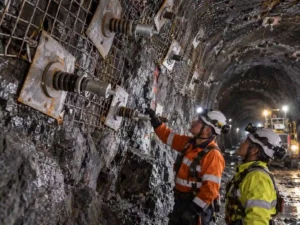
May work in certain applications when the rock is weak.
Ensure the load can be transferred through the grout and surrounding rock mass.
Only if the anchor can achieve this will it work.
Cable Bolts
Can be used when you need to anchor into deeper rock or over a greater extent of failure.
Will not fix all issues of squeezing. If the rock is unable to provide an anchor or your cables do not have movement capabilities.
5. Strategy Two: Consider Self-Drilling Anchors for Unstable Boreholes
It can be difficult to keep a borehole open in weak rock or fractured ground.
After drilling with conventional methods you can lose your hole once you remove your drill string. Not enough time to install your rock bolt.
This is one problem self-drilling hollow anchors can solve.
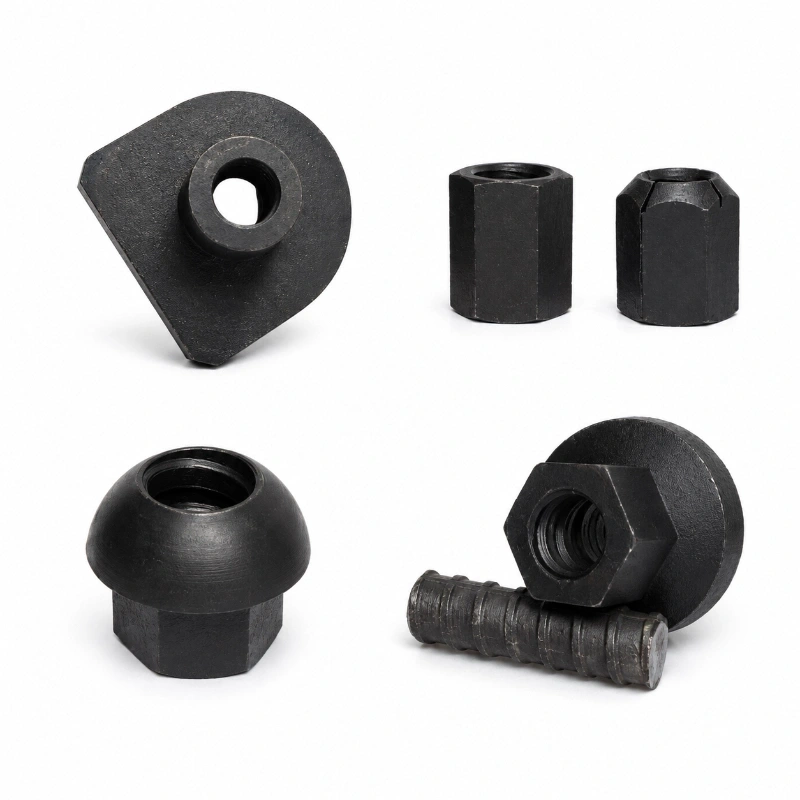
Consist of the following components:
- Bit
- Hollow threaded anchor
- Couplers if necessary
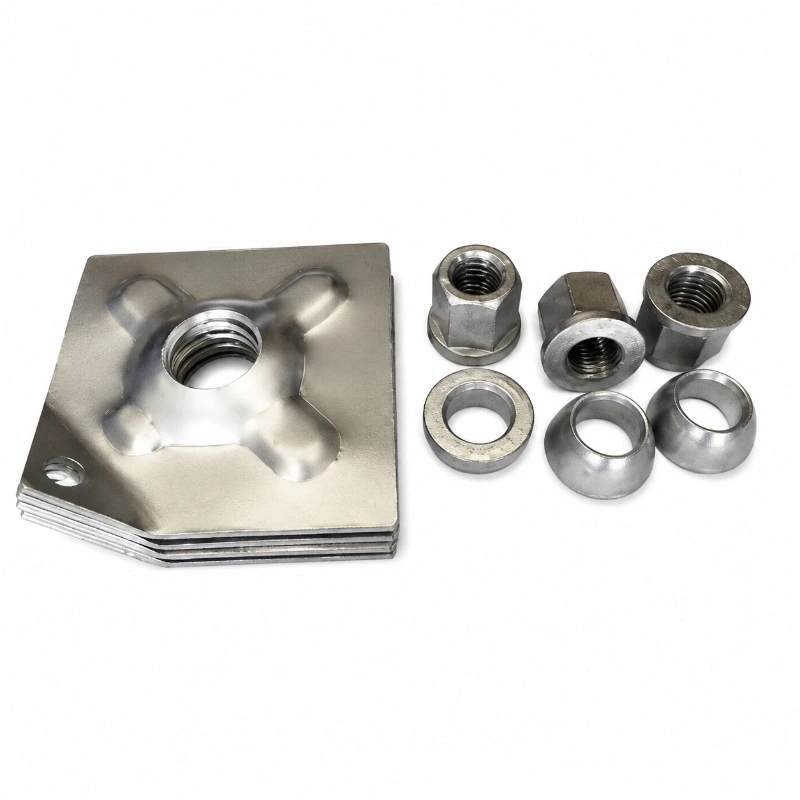
- Plate and nut
- Appropriate grout
The anchor will assist with the drilling process and stay installed as reinforcement. Grout can then be pumped down the hollow bar following recommended procedure.
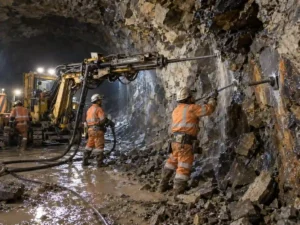
What Situations Can I Use Self Drilling Anchors For?
Some examples include
- Rock that fractures and loses its borehole
- Weak ground
- Faults that you want to anchor across
- Difficult drilling conditions
- Any ground that you would need a grouted anchor system that is compatible.
Keep in mind self drilling will only help you with installing and anchoring.
Not all self drilling rock bolts are created equal when it comes to yield rock bolts or large deformation rock bolts.
Check out Self-Drilling Anchor Bolt vs Conventional Rock Bolt: When Hollow Bar Pays Off for more information.
6. Strategy Three: Use Deformable Steel Support Systems
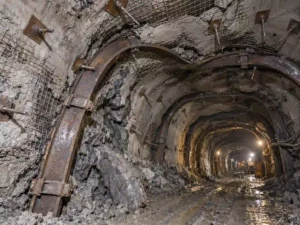
Steel Arches Ribs and Sets can be used to give additional support.
Under high amounts of squeezing steel support may be overloaded.
Some systems are designed to yield or slide.
Sliding Steel Arches
There are special steel supports that are able to slide and still resist deformation.
They will depend on what type of steel and grade that is used.
- How the connection is made.
- Friction/Slide.
- Angle of installation.
- Contact area with surrounding rock.
- Amount of deformation expected.
- Loads allowed before sliding occurs.
These are not all considered to be yielding steel arches.
Normal steel sets and these sliding steel arches should be considered separately.
Support Systems Can Be Used Together.
Steel Arches can be used in combination with Rock Support Mesh Shotcrete etc.
The whole system should be taken into account when using these types of support.
7. Strategy Four: Adapt Shotcrete and Surface Support
Shotcrete will help support broken rock mass and give surface restraint.
Conventional rigid shotcrete linings may crack and/or suffer from damage during large amounts of squeezing deformation.
Fibre Reinforced Shotcrete
Fibres can provide additional post cracking behaviour and toughness.
But using fibres may not give you enough deformability for squeezing ground conditions.
Ductile Shotcrete Linings
Various configurations have been researched using shotcrete linings that include yielding components or allow for movement.
This allows the support to resist movement but still accommodate some displacement.
More information can be found in Tunnel Squeezing Deformation Control and the Use of Yielding Elements in Shotcrete Linings: A Review.
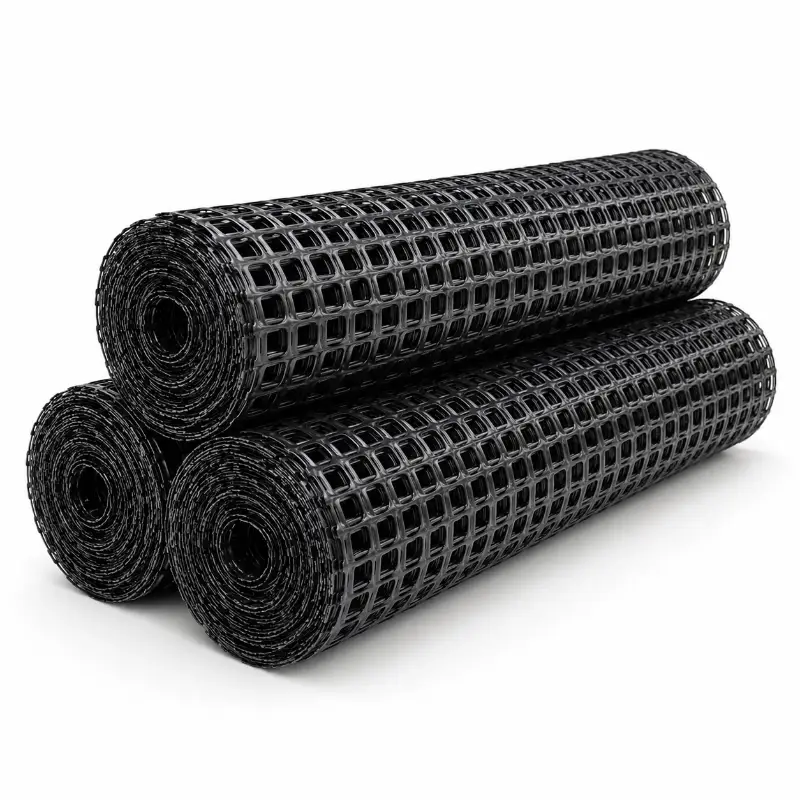
Steel Mesh
Can provide some retention of rock at the surface.
Depending on the application the mesh can be used in conjunction with;
- Bolts
- Plates
- Steel Straps
- Beton semprot
- Steel Supports
Ensure that the mesh has adequate deformability and connections.
Whatever surface support is chosen it should work with your primary support during deformation.
8. Strategy Five: Optimize Excavation Sequence and Support Timing
Support will not only be dependent on what material you choose to use. It will also depend on when the support is placed.
Engineering solutions that could be used:
Stepped excavation
Can allow for stresses to be redistributed and control how the ground behaves.
Early installation of reinforcement
Some ground conditions will need to have reinforcement and support installed at an early stage.
Allowing deformation
If calculations show that your support sequence can allow deformation. You may want to allow a certain amount of deformation.
Face support
May need to install reinforcement in front of the face to help stabilize it.
Floor/invert
You may need to install floor or invert if there is too much floor heave/convergence.
It will depend on many factors what the best sequence of installing support will be. There is no set time for all squeezing tunnels.
9. Monitoring Ground Convergence and Support Performance
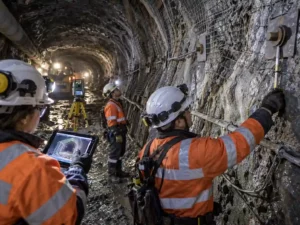
Where deformations could still be occurring once excavated it is beneficial to have monitoring in place.
Allow the monitoring to be compared to what you expect from your design.
These are some of the things that can be monitored
- Convergence of tunnel
- Movement of roof/sidewalls
- Heave of floor
- Support deformation
- Rock bolts (if gauged)
- Shotcrete failure
- Ground water levels
- Rate of deformation
Monitoring should be set up with set locations to monitor and at what intervals they should be monitored. Once readings are taken they should be interpreted and if required action should be taken.
If the rate of deformation starts to increase or supports start to fail then more attention should be paid to the ground.
Monitoring is there to allow you to control the ground not just keep track of how much it is moving.
10. Comparing Support Strategies for Weak and Squeezing Ground
| Ground Condition | Main Challenge | Potential Strategy |
|---|---|---|
| Weak but relatively stable rock | Local loosening | Suitable rock bolts and surface retention |
| Highly fractured rock | Borehole collapse | Self-drilling anchors or other approved installation methods |
| Layered weak roof | Bedding separation | Reinforcement crossing layers, mesh and straps |
| Squeezing ground | Progressive convergence | Deformation-compatible support and controlled excavation |
| Severe squeezing | Large displacement and structural loads | Engineered yielding elements, structural support and staged construction |
| Weak ground with water | Installation and durability | Groundwater management, compatible grouting and corrosion protection |
| Existing deformed roadway | Reduced clearance and deteriorated support | Engineered rehabilitation following assessment |
This table is a preliminary decision framework, not a project-specific design specification.
Final reinforcement geometry, anchorage, installation procedures, and capacities require engineering verification.
11. Common Mistakes in Squeezing Ground Support
Mistake 1: Higher bolt strength
You may need more displacement than what higher bolts can provide.
Mistake 2: All weak rock will squeeze.
Weak rock and squeezing rock are not always the same.
Evaluate the stresses and response to excavation.
Mistake 3: Self drilling anchors will give you yield.
Self drilling anchors have their benefits when trying to install in difficult ground. However you still need to check deformation capacities.
Mistake 4: Connection at surface.
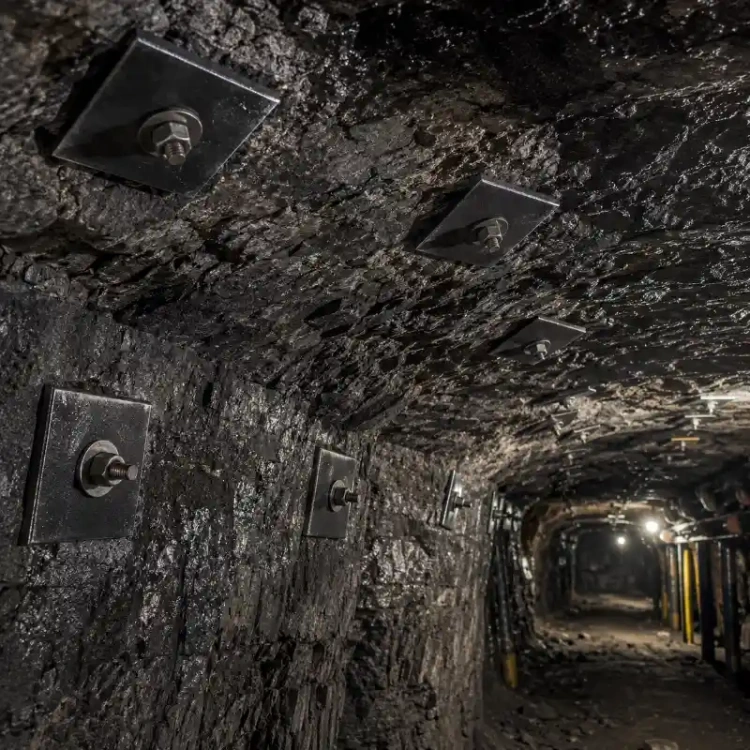
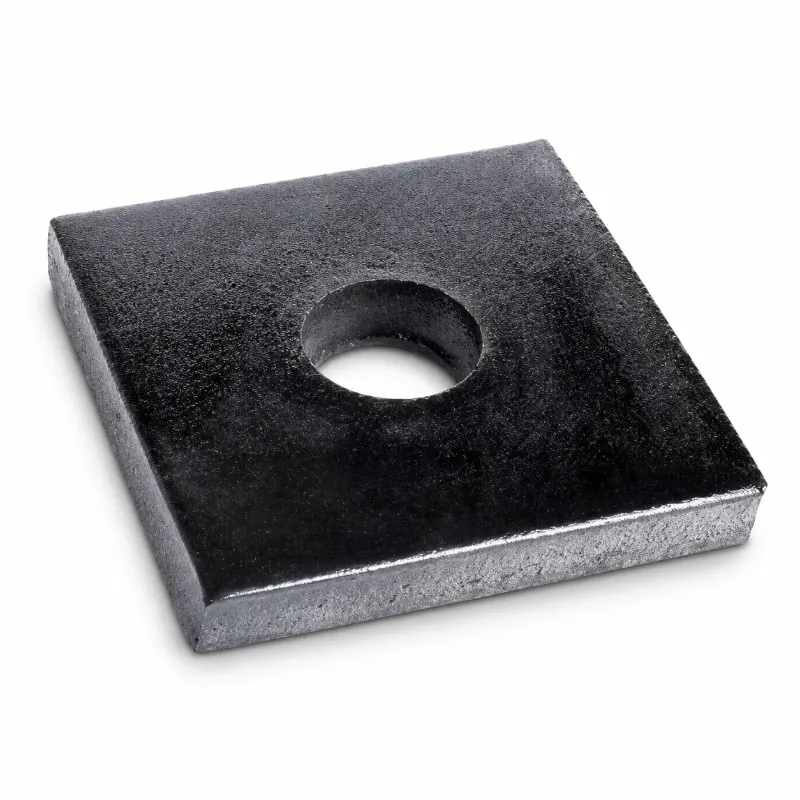
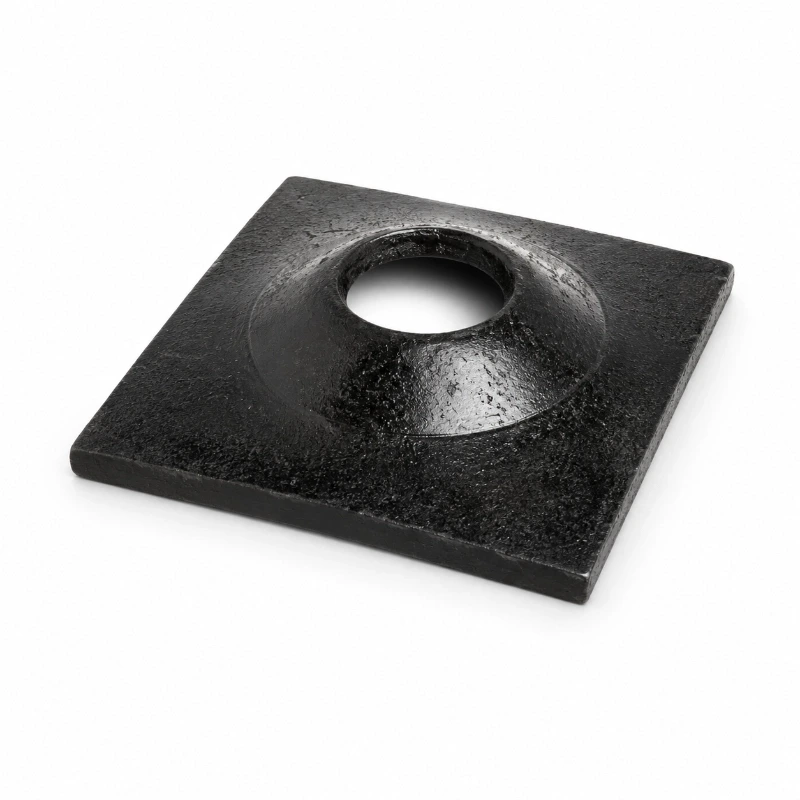
Mesh, straps, plates, nuts etc all need to work with your system.
Mistake 5: Using only classification value.
A rock mass classification will not always allow you to identify all mechanisms of failure or dictate your whole system of support.
Mistake 6: Not paying attention to monitoring.
Your designed support system may need to be reevaluated if you see movements greater than anticipated.
12. Procurement Checklist for Weak Ground Support Systems
Engineering requirements that have been approved by the project team will need to be supplied when requesting Ground support.
Reinforcement
- Type of Rock bolt/Anchor
- Length & Diameter
- Grade of Steel
- Beban Hasil
- Beban Maksimum
- Deformation requirements
- Method of anchoring
- Persyaratan pengisi celah
Structural/Surface Support
- Specification for Steel Arch
- Connection details
- Mesh specification (size/type)
- Ukuran piring
- Strap specification
- Specifications for shotcrete if required
Project/Quality Requirements
- Design Drawings
- Standards to be followed
- Ground info
- Inspection requirements
- Perlindungan dari korosi
- Approximate Quantities
- Packaging and Delivery
We can supply various products to suit your project requirement i.e Rock Bolt’s Self drilling Anchor, Mesh Plates Straps and Steel Support.
View more products here Mine Roadway Reinforcement Solution Product Supply and System Integration
13. FAQ
Q1: What is best to support squeezing ground?
No single system is best for all cases. Engineers will look at using deformation compatible support systems, engineered yield supports, surface support systems, propping, step excavation and monitoring.
Q2: Is squeezing ground the same as weak rock?
No. Weak rock can describe geologic materials or rock masses that have lower strengths. Squeezing refers to the high deformations around an opening when unfavorable strength/stress/time conditions are encountered.
Q3: Can rock bolts be used in squeezing ground?
Rock bolts can be used in squeezing ground if they are able to sustain loads and displacements that the system will require. They should not be thought of as always being able to accommodate high deformation.
Q4: Will Self Drilling Anchors stop squeezing from occurring?
No they do not. They may help install support systems into unstable bore holes. But squeezing needs to be engineered to control.
Q5: Why use Yield rock bolts in tunnels experiencing squeezing?
Yield bolts can allow you to support a loading and allow a set amount of movement to occur. Allowing your reinforcement to yield and move with the ground.
Q6: Can shotcrete be used in high squeezing environments?
Shotcrete can be used in squeezing ground but standard lining’s can fail when large amounts of convergence occur. A deformation compatible system may need to be implemented.
Q7: How do you monitor squeezing ground?
Monitoring can be used to observe the movements of a tunnel. This can include roof, sidewalls, floor heave and support movement.
14. Conclusion: Match Support Deformation Capacity to Ground Behavior
Ground and weak rock that squeezes is an issue when mining underground or driving tunnels.
In certain circumstances the use of conventional reinforcement may be sufficient but with extreme squeeze you will need to incorporate yieldable elements, support systems that allow for deflection, excavation procedure and monitoring.
Self drilling anchor systems can allow you to install in ground that may have been previously inaccessible. However this does not ensure you can accommodate the high deformation that squeezing may induce.
An optimum support system is one that allows for ground behaviour within known limits and still provides the stability and ability to excavate.
Mining & Tunneling Support Components
WanFeng is able to provide support components for mines and tunnels. Such as Threaded Rock Bolt, Self Drilling Anchors, Steel Sections, Mesh, Plates, Straps, Nuts and Couplers.
OEM / Project specified components available to suit customers drawings and requirements.
View Our Range Of Mining Support Systems.
View Our Range Of Support For Mine Roadways.
Quotations For Components Used To Support Weak Ground
Please supply us with your approved drawings for support components and requirements.
 Terkait




Pelayanan Prima Setiap Saat