

-
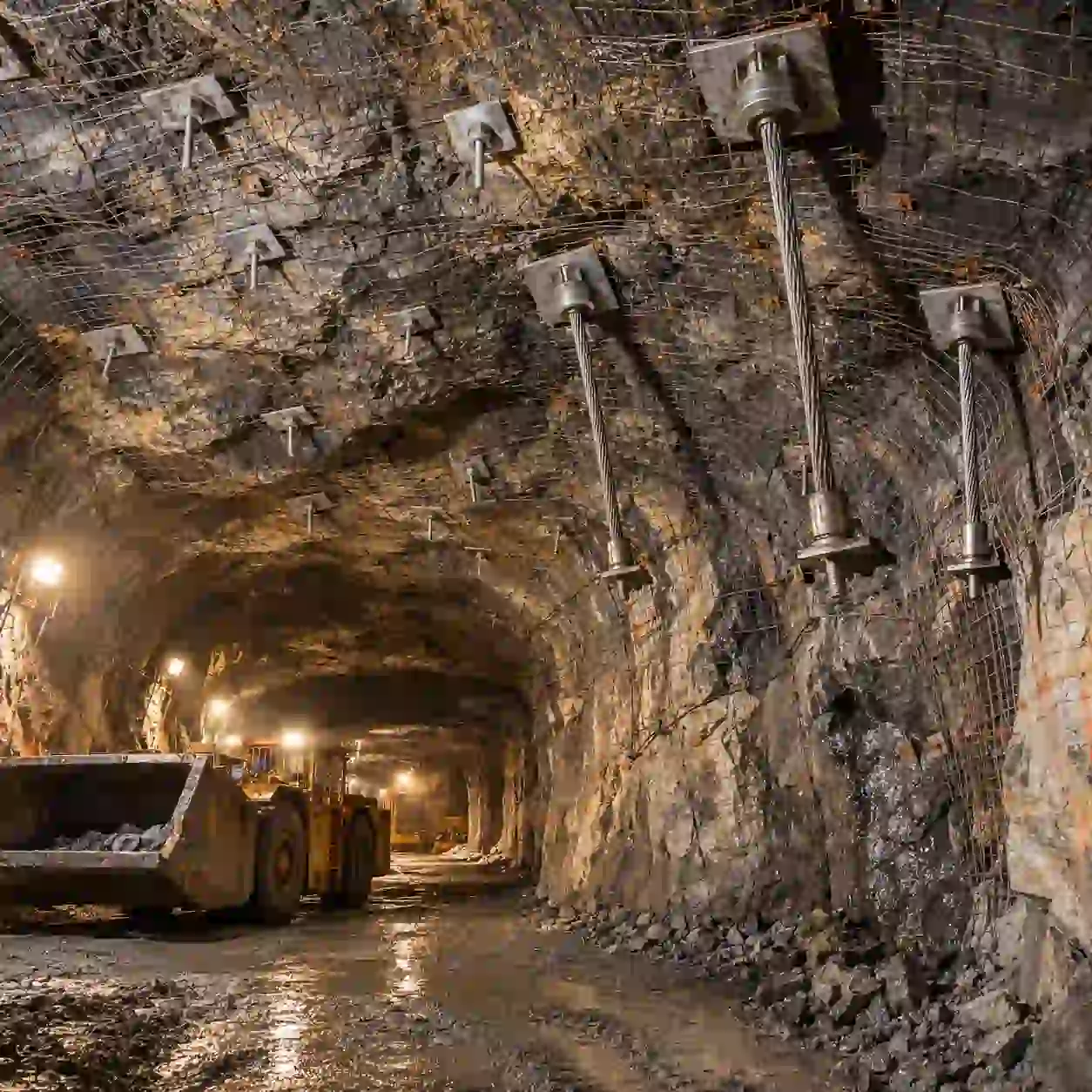 Cable Bolts vs Rock Bolts: Where the Crossover Point Is
- 9th Oktober 2026
Cable Bolts vs Rock Bolts: Where the Crossover Point Is
1. What Is the Difference Between Cable Bolts and Rock Bolts?
Rock Bolts: Support Installed Around The Perimeter Of An Excavation
Rock Bolts are placed in a drilled hole to help provide additional strength to the surrounding rock.
There are many different types of rock bolt systems available such as;
- baut batu yang ditambatkan dengan resin
- Grouted Steel bolts
- Expansion shell mechanical bolts
- Friction rock bolts
- Threadbar rock bolts
- Grouting Anchors
All of which will anchor using some form of expansion, friction, resin, cementitious grout or some combination of all three.
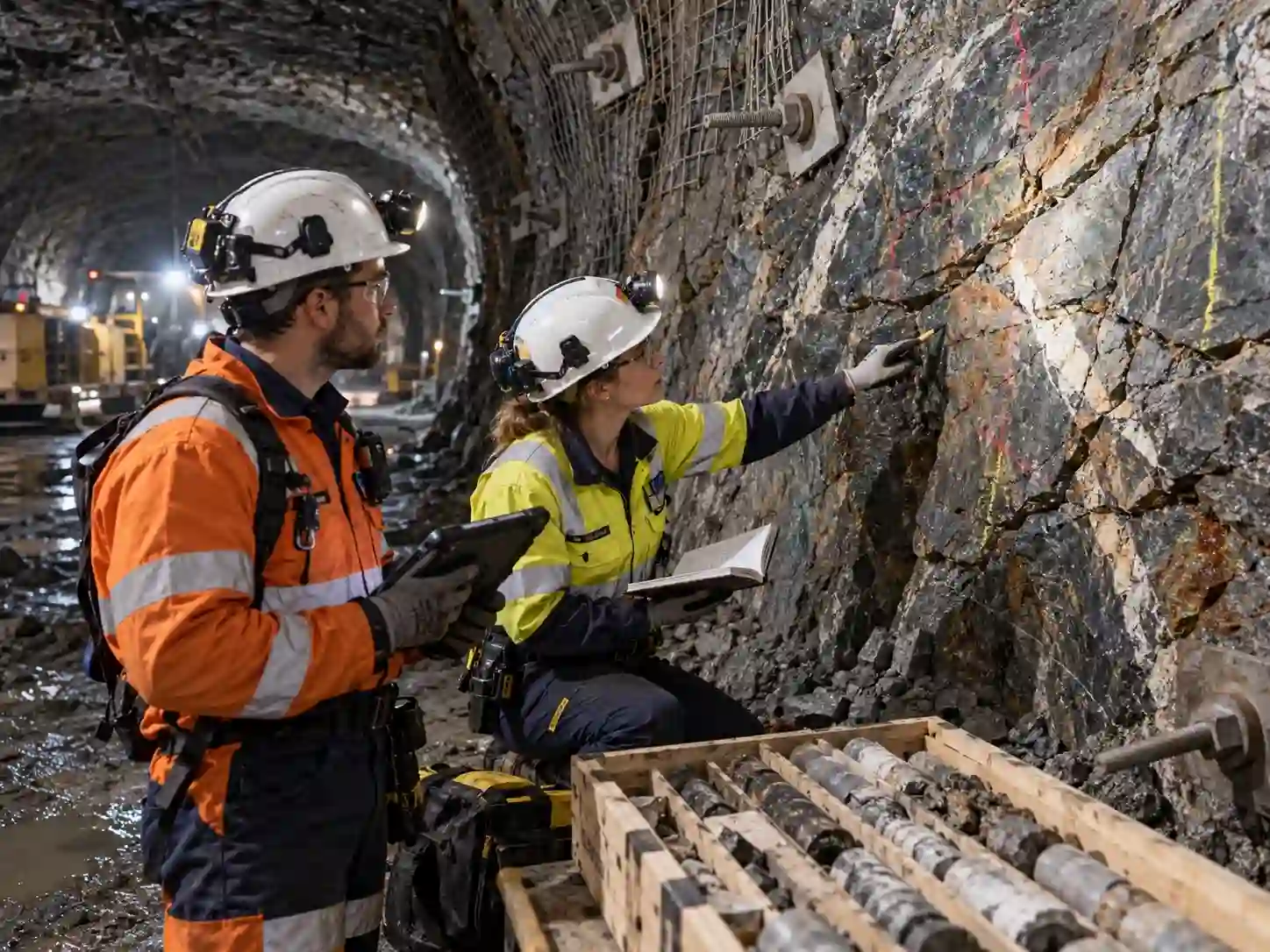
When working in an underground environment rock bolts have been used to help support the near field area of roofs, walls and broken ground around an excavation.
Rock bolts will vary in how well they perform depending on length, angle, density, anchor, rock quality and what type of surface support is applied to the roof.
Check out our article on Rock Bolt Types: Which Rock Bolt Should You Use In Your Mine Or Tunnel?
Cable Bolts: Used To Reinforce Rock At Greater Distances From The Excavation.
Cable bolts are made up of many high strength strands of wire placed into a drilled hole.
As they are made of cable you are able to work with them at much greater distances then if you were to use a rigid steel bar.
They can be grouted with cement, resin anchored, tensioned or left as passive support members depending on your needs.
Cable Bolts have been widely used to reinforce:
- Stope areas underground.
- Large span excavations.
- Intersections in mine roadways.
- Chambers.
- Greater depths from the roof of an excavation.
- To cross large fractures/discontinuities.
- As secondary support to other means of ground control.
- They can also be used as primary support if installed correctly and designed for the application.
Cable Bolt Support Technology in North America was published by the US Bureau of Mines to show how they came about and are being used in the underground industry to control ground.
2. Cable Bolts vs Rock Bolts: Key Differences
| Perbandingan | Conventional Rock Bolts | Cable Bolts |
|---|---|---|
| Reinforcement element | Generally rigid steel bars or similar elements | Flexible steel strands |
| Typical reinforcement function | Localized or near-excavation ground reinforcement | Deeper or longer-range reinforcement |
| Anchorage | Resin, cement grout, friction, or mechanical systems | Commonly grout-based; other anchorage systems are available |
| Length flexibility | Limited by handling, installation geometry, and system design | Longer installations can be practical because strands are flexible |
| Load transfer | Depends on anchorage and bolt design | Depends on strand, bond, grout, and anchorage design |
| Pretensioning | Available with suitable systems | Available with suitable tensionable systems |
| Common applications | Mine roadways, tunnels, roof and rib support | Stopes, chambers, intersections, and deeper instability zones |
| Installation considerations | Drilling, insertion, anchoring, and bolting equipment | Drilling, cable insertion, grouting, tensioning if specified |
| Main selection factor | Required reinforcement and anchorage mechanism | Required reinforcement reach and system performance |
There is no definite answer to which system is better. A larger rock bolt could be superior to a certain cable bolt in some situations. Where long reinforcement is needed cable bolting may be a better option. You need to compare the systems as a whole.
3. Where Is the Crossover Point Between Rock Bolts and Cable Bolts?
When standard rock bolts are no longer effective at providing the desired level of support then you would want to look at cable bolts.
There are 5 things to consider.
3.1 You Want To Reinforce Deeper Into The Rock Mass
If you need to reinforce further into the rock mass this can be one reason why you should use cable bolts.
You may find when you complete your geology you have identified areas that could fall away that lie beyond the effective anchorage zone of the rock bolts that you are currently installing.
By simply installing more bolts of the same length may not be enough if those bolts will end within the potentially unstable ground.
You need to reinforce into the rock mass that can provide anchorage and withstand the forces that you expect.
Where would I cross over to use cable bolts? If you need to reinforce further into the rock mass that longer strand lengths become beneficial.
It doesn’t always have to be once you pass x amount of metres you should switch to cable bolts.
It will depend on many factors such as bolt design, drilling equipment and holes you can drill as well as the geology you encounter.
3.2 Your Excavation Has Increased In Size
The size of your excavation will play a factor when supporting the surrounding rock mass.
You may only need localised reinforcement around a small mining development but if you increase the size of the opening you may find yourself reinforcing further into the rock mass.
This may require the use of cable bolts to reinforce further out of the excavation.
Some examples would be:
- Intersections
- Chambers
- Crusher Bays
- Large Stope’s
- Roof falls that span long distances
This doesn’t mean you should use cable bolts in place of rock bolts.
You may find that you need a combination of rock bolts and cable bolts to reinforce the perimeter and tie into the rock structure above.
Check out our range of products we can supply for Mine Roadway Reinforcement.
3.3 Anchorages And Loading Changes
Just as the steel has strength it also needs to be able to transfer loads into the rock mass.
This can vary based on:
- Steel to grout interface
- Grout to hole interface
- Grout properties
- Rock mass strength
- How much you can bond
- What your reinforcing looks like
- What movements you may experience in the ground
Cable bolts can allow you to change strand designs or have the geometry changed to suit certain anchorages and loads.
Just because you have a stronger strand does not mean you will get a stronger installed anchor.
Make sure you have sufficient bonding and anchorage in the ground you are trying to support.
So not only do you have to consider the strength of your reinforcement but also how it will anchor in the rock mass.
3.4 Installation Of Longer Bolts Become More Difficult
As the length of your rock bolt increases it can become more difficult to install them in smaller openings.
Having the ability to install a flexible cable may become beneficial when you need to reinforce from a confined area.
This does not mean that it is easier to install cable bolts than rock bolts.
Depending on what you need you may need to drill special holes, use certain grouting systems and allow for cure times. As well as having the ability to tension your cable bolts.
What is cheapest for your situation will depend on what equipment you have available and how you install the system.
3.5 You Need A Different Type Of Support
Just like the previous points you want to make sure you are providing the right type of reinforcement.
There are many reasons why you may want to reinforce rock masses. You may need to:
Hold back broken rock that is close to the excavation
Suspend hanging ground from rock above
Tie into the rock mass across geological features
Support the surrounding rock mass that is deforming
Provide support due to loading that is occurring in the mine.
These can all be supported with rock bolts but there are some cases that you may need to go deeper into the rock mass or have a combination of rock reinforcement.
As mentioned before you can gain higher capacities from cable bolts. But just like any other support you want to know what you can expect from it under large deformations or loading situations.
Its really what you want to support that will dictate when to cross over to cable bolts.
4. When Should You Choose Rock Bolts?
Typical rock bolts will work when:
- Bolt system chosen will allow enough reinforcement depth to be reached.
- You have enough anchor zone to use.
- Equipment can install bolt you’ve chosen.
- Bolt will provide reinforcement and deformation as needed.
- Able to quickly install and confirm your support system.
They can be used for general mining roadways. Excavation perimeters. Roof/ribs and properly designed tunnels.
Rock bolts can be used with bearing plates. Resin cartridges. Strapping and wire mesh/shotcrete.
To learn more about these click Mining Ground Support Systems Explained: Bolts, Cables, Mesh and Straps.
5. When Should You Choose Cable Bolts?
You should think about using cable bolts if your ground support design calls for a greater length or depth of reinforcement than normal bolt lengths will allow.
Large Underground Stopes
There could be discontinuities in stopes or wedges that are likely to fail or require support over long distances.
Using cable bolts can be beneficial in the support of stopes as they can assist with stabilizing a greater volume of rock.
Wide Roadway Intersections
Due to wide intersections having varying stress and modes of failure compared to a narrower roadway.
The use of cable reinforcement could assist with providing more support where greater depths of roof instability is likely to occur.
Underground Chambers
Chambers used to house equipment may call for longer reinforcements to be placed. Such as Crushers etc.
If you need to reinforce the roof further.
If a geological investigation has shown there to be any delaminations or areas that may become unstable. You could consider the use of longer cable bolts.
The UK HSE have published further information on Rockbolt and Cablebolt usage in Coal Mine Roadways.
This can be found on their Mining Publications and Guidance web page.
6. Can Cable Bolts and Rock Bolts Work Together?
Yes. Often in an underground mine there will be situations where you want to incorporate both types of support instead of viewing them as competitive to each other.
An example could be if you have a large intersection that needs reinforcement around the excavation as well as deeper in the potential failure zone.
Using a combination of supports you can have.
Reinforcement closer to the excavation
Use rock bolts to reinforce shallower rock mass and allow it to tie into your surface support.
Penguatan yang lebih dalam
Use cable bolts to go further into the ground mass for reinforcement when necessary.
Surface support
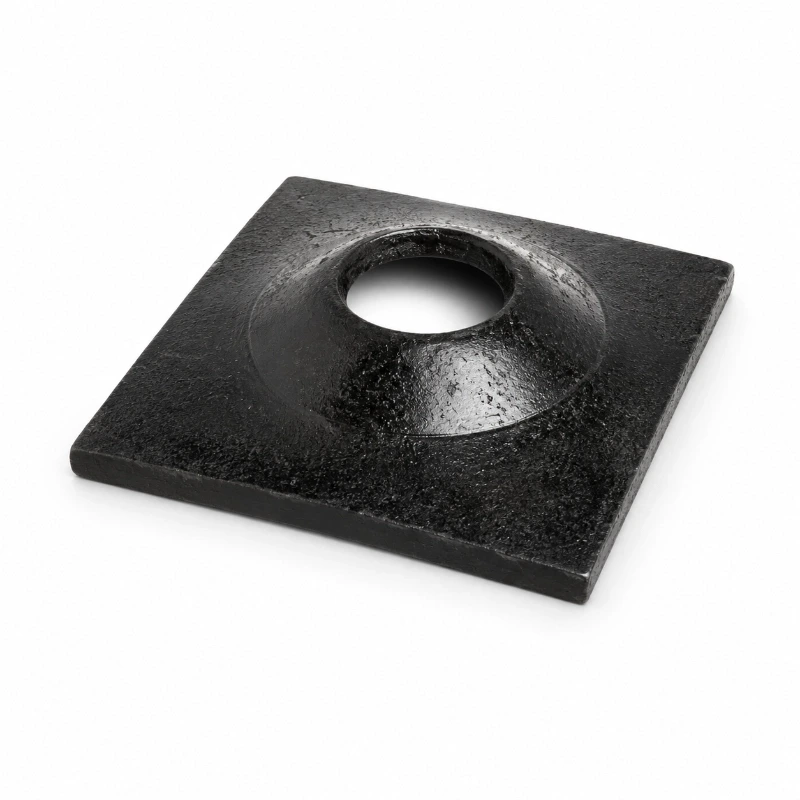
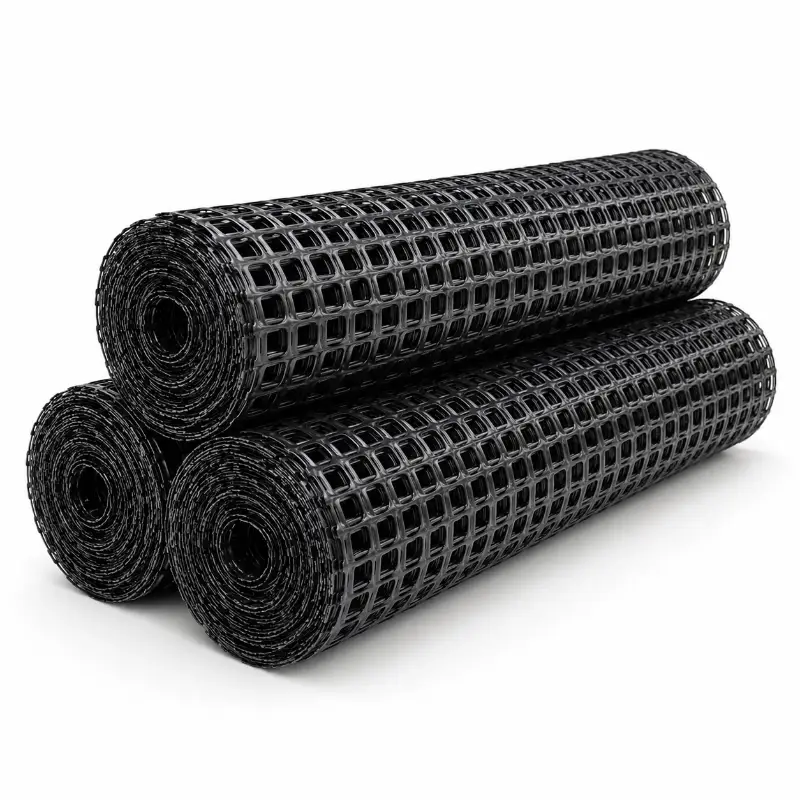
By using steel mesh, straps, plates and other surface support you can help hold ground together.
You want to think about reinforcing the ground and supporting the surface as two separate tasks.
To learn more about designing a support system check out our Mining and Tunneling Ground Support Guide.
7. Cable Bolts vs Rock Bolts: Which Is More Cost-Effective?
Material costs alone can be deceiving when comparing.
You may have to use more material or perform more tasks with cable bolts then conventional rock bolting. Drilling methods and bolt placement/spacing can vary.
Cost of installed system per engineering requirement should be compared.
Costs to consider:
| Cost Factor | What to Evaluate |
|---|---|
| Reinforcement material | Steel type, diameter, length, and design |
| Borehole drilling | Diameter, depth, drilling time, and equipment |
| Anchorage materials | Resin, grout, and other consumables |
| Instalasi | Labor, handling, and equipment requirements |
| Tensioning | Equipment and operations if required |
| Quality assurance | Pull testing, grout verification, and inspection |
| Maintenance | Service life, corrosion conditions, and replacement requirements |
| Production impact | Installation time and interference with mining operations |
Here is an example of procurement comparison
Support Total installed cost. This would include reinforcement, drilling, anchor, installation, testing and other auxiliary products that may be used. This will give you a better idea then comparing by bolt or cable unit price.
Keep in mind the cheapest support is only good if it meets your support requirements and engineering guidelines.
8. How to Specify Cable Bolts and Rock Bolts for Procurement
Should include details about all aspects of reinforcement and not just specify bolt diameter.
Specification of Rock Bolts
- Type & material
- Length & diameter
- Grade of steel & strength values
- If threaded specify thread details
- Yield strength and ultimate capacity
- Diameter Lubang
- Type of anchor and length of anchor
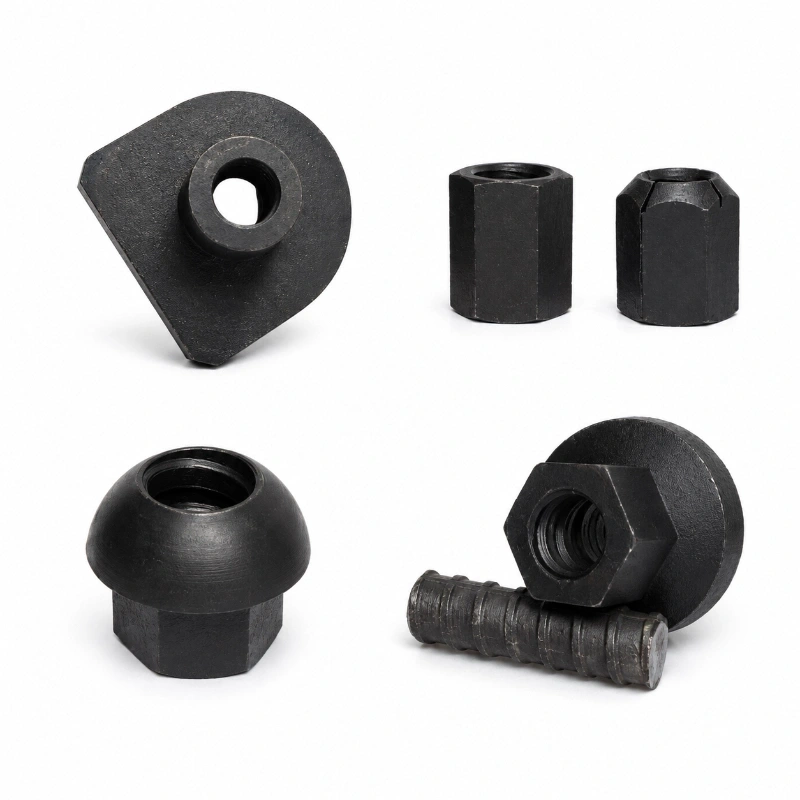
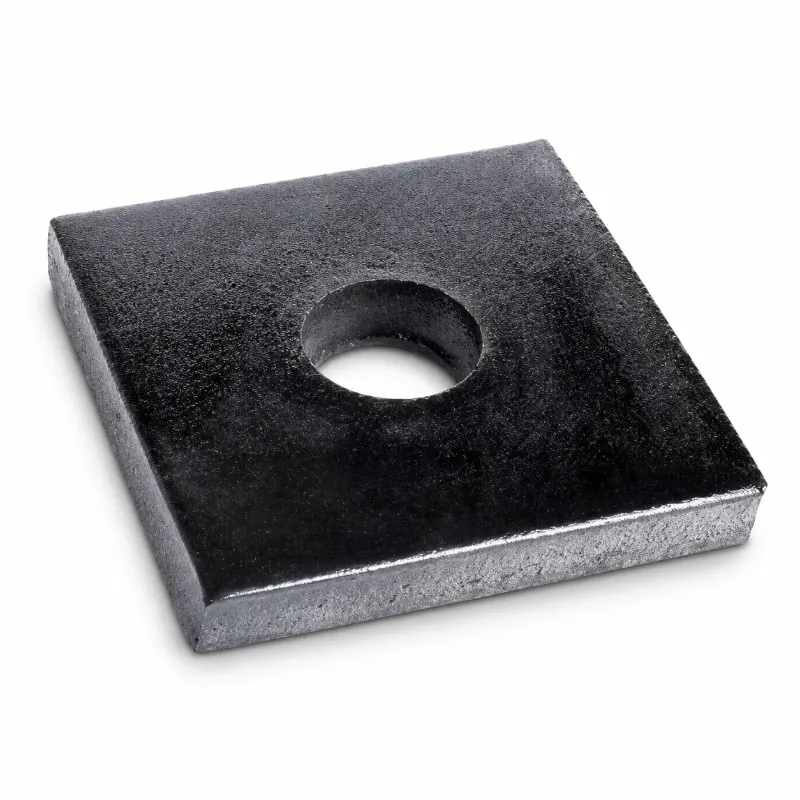
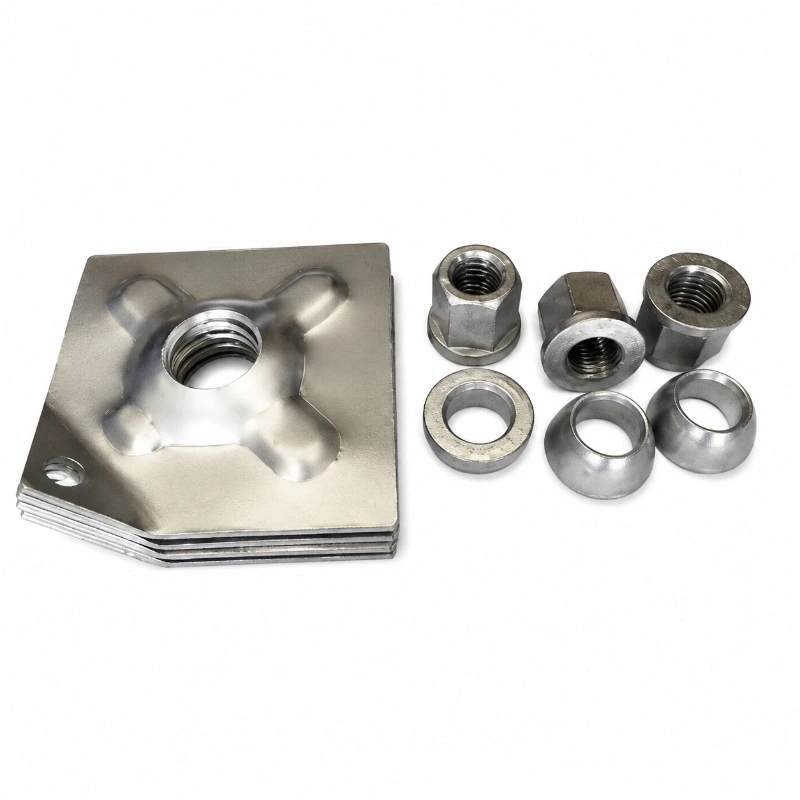
- Bearing plate and nuts
- Perlindungan dari korosi
- Any standards or tests required
Specification of Cable Bolts
- Diameter of cable strand
- Construction & grade of strand
- Length of cable required
- Tensile strength or break strength required
- Plain/ Modified etc strand
- Anchor and grout requirements
- Pretension if required
- Anchor lock / wedge
- Bearing plate requirements
- Perlindungan dari korosi
- Any tests or requirements
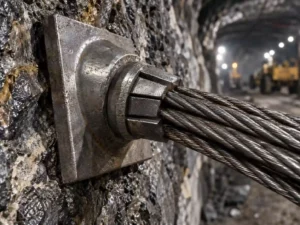
We can supply Mining Anchor Locks for Steel Strands to suit 15.24mm, 17.8mm and 21.8/22mm Steel Strand.
These will need to be cross referenced to your strand requirement and anchor used.
Check out our range of Product Supply if you require more than one type of ground support.
9. Common Mistakes When Comparing Cable Bolts and Rock Bolts
Mistake #1: Thinking that cable bolts will always be stronger than rock bolts
As mentioned before tensile strength is dependent on the steels used, area of cross section and how the reinforcement is made up.
You should also consider anchorage and the performance of an installed system.
Mistake #2: Selecting your reinforcement based on length.
Longer doesn’t mean better. You need to consider direction of the reinforcement and how it will anchor, where it’s located in relation to discontinuities and its ability to bridge and load into good rock.
Mistake #3: Eliminating all rock bolt from your design.
Cable bolts and rock bolts can both serve different purposes. If you’re going to eliminate shorter lengths of reinforcement make sure you understand what local stability will be achieved.
Mistake #4: Not paying attention to your grout.
Grout quality is just as important when using grouted reinforcement.
Mistake #5: Comparing cost per unit.
Remember to factor in installation time, equipment and materials that will be needed and the quality control required.
10. FAQ
10.1 What’s the difference between cable bolts and rock bolts?
Rock bolts typically consist of a more rigid reinforcing member that will hold rock in place around an opening. Cable bolts consist of steel strand which allows them to be used at greater reinforcement lengths.
10.2 How long do you have to go before using cable bolts instead of rock bolts?
There is no set point where one product should be changed to another. Many factors play into this such as how deep you need to anchor, the ground your working in, access, equipment and what support is designed for the application.
10.3 Are cable bolts stronger than rock bolts?
It all depends on the steel member used. There are rock bolt and cable bolt systems that can be made to meet any requirement.
10.4 Would cable bolts be considered a primary support?
Cable bolts can be used as primary reinforcement or secondary reinforcement depending on your application.
10.5 Why would I use cable bolts in a stope?
If you need to reinforce over a larger volume of rock or through a structure then you may need to anchor further than your typical rock bolt would allow you to.
10.6 Can I use cable bolts and rock bolts together?
Yes there are applications where shorter rock bolts will be installed along with cable bolts. This would also include any auxiliary support needed.
10.7 Which one is cheaper?
This again would depend on the support that you require. If its simply looking at cost of material then you could say cable bolts but overall cost when installed they may not be.
11. Conclusion: Finding the Right Crossover Point
There will always be a cross over point where a cable system becomes more beneficial then a rock bolt system.
Start by understanding what you need from your rock mass.
Most applications of rock bolts can be achieved with conventional rock bolts. When more reinforcement is needed or when greater length and angles are needed. Then it’s time to use cable bolts.
Once you know when it’s more advantageous to use cable systems over rock bolt alternatives. You will have found that crossover point.
A mixture of rock bolts, cable bolts, anchorages and surfacing will usually provide the most effective support in most mines.
Are you looking for Ground Support Products?
We can provide all ground support products used in mining and tunnelling applications. From rock bolting systems to cable anchoring products. Bearing plates, straps, mesh and anchorages.
We can supply to your drawings, specifications or requirements.
Check out our Mining Support Solutions and Engineering. Or send us your requirements.
Please specify type of reinforcement, sizes, material, standard required and quantity if known. Drawings are also helpful to give us an accurate quote.
Note: The above information is provided as a guide. Always consult with your engineer of record for proper reinforcement and testing.
 Terkait




Pelayanan Prima Setiap Saat