
-
 admin
- 17th Sentabr 2026
 admin
How Do Self-Drilling Anchor Systems Improve Drilling Efficiency in Weak and Fractured Ground?
Drilling in weak or fractured ground is rarely difficult because the drill cannot cut the material. The bigger problem is what happens after the hole starts to form. Loose rock can fall into the borehole. Fractured sections can close or change shape. In some ground, the borehole may collapse before you have time to remove the drill string and install the reinforcement.
That creates a simple but expensive problem. You drill the same area more than once, clean collapsed material, change tools, and wait before the support is finally in place.
A self-drilling anchor system deals with this problem by changing the installation sequence. Instead of drilling a separate hole and inserting the anchor afterward, the anchor bar becomes part of the drilling system. It advances into the ground, stays in place, and can then carry grout through its hollow center.
For this type of work, the T40 Hollow Grouting Anchor Bar provides a practical system for drilling, grouting, and reinforcement in one installation process.
Hebei Wanfeng Mashina Ishlab Chiqarish MChJ has been working in mining and ground support manufacturing for more than 10 years. Its product range includes rock bolts, anchor systems, steel supports, wire mesh, and other reinforcement products used in mines, tunnels, slopes, and foundation projects. For overseas orders, the company can also help with product matching, OEM requirements, inspection documents, packing, shipping, installation guidance, and after-sales support, which makes project sourcing a little easier when several support components are needed at the same time. This matters when you are buying a complete support system rather than one isolated component.
Why Does Drilling Efficiency Drop in Weak and Fractured Ground?
In competent rock, a conventional drill-and-install method can work well because the borehole remains open after drilling. Weak formations behave differently. The hole can start losing shape almost as soon as the drill is removed.
That is where a normal drilling cycle begins to slow down.
Borehole Collapse Creates Repeated Work
When the rock is heavily fractured, the wall of the borehole may not have enough strength to hold itself together. Small pieces break away and collect inside the hole. In loose formations, larger sections can fall back into the drilled space.
Your crew may then need to clean the hole, re-drill part of it, or start again.
Even if each drilling pass is fast, the total support cycle becomes slow because the finished borehole cannot be used immediately.
The risk is higher when there is a delay between drilling and anchor installation. Every extra handling step gives unstable ground more time to move.
Separate Drilling and Anchoring Add More Site Steps
A conventional sequence normally involves drilling the hole, removing the drill string, preparing the anchor, inserting it, and then completing grouting or mechanical fixing.
That process is manageable when the hole is stable. In poor ground, each step becomes another point where the job can stop.
You may also have limited room inside a tunnel heading or mining roadway. Moving rods, grout pipes, anchor bars, and other parts in and out of a confined working area takes time.
Drilling efficiency is more than penetration rate. It is how long it takes to complete a support point from start of drilling through to completion.
How Does a Self-Drilling Anchor System Reduce Rework?
A self-drilling anchor removes the gap between making the hole and installing the support.
The anchor bar becomes part of the drilling assembly. Once it reaches the required depth, it remains in the ground. There is no need to withdraw a separate drill rod and then push another reinforcement element into an unstable borehole.
The Anchor Bar Advances with the Drill
The system uses a drill bit connected to the hollow anchor bar through a suitable adapter. As drilling continues, the bar moves forward with the bit.
This gives you an important advantage in broken ground: the reinforcement enters the ground while the hole is being created.
You are not depending on an unsupported borehole to remain open for several minutes while tools are changed.
For tunnel and mine work, this can shorten the time between excavation and reinforcement. It can also reduce repeated drilling in sections where loose rock or fractured material regularly falls into the hole.
The Hollow Core Becomes the Grouting Channel
Once the anchor reaches its planned depth, grout can be pumped through the hollow center of the bar.
The grout moves along the bar and into the borehole. It can also enter nearby fractures, gaps, and voids around the anchor.
This does more than fix the bar in position. It helps improve contact between the anchor, grout, and surrounding ground.
The hollow grouting structure of the T40 system means you do not need to install and later remove a separate grouting pipe. That keeps the job simpler and reduces handling inside tight underground work areas.
How Does the T40 Hollow Grouting Anchor Bar Fit into the System?
A self-drilling system works well only when the main bar and the smaller parts are properly matched. The T40 Hollow Grouting Anchor Bar is designed as part of a complete drilling and support arrangement rather than as a stand-alone steel bar.
Its 40 mm outer diameter gives the system a useful balance between load capacity, handling, and compatibility with drilling accessories.
T40/20 and T40/16 Serve Different Load Requirements
The T40 system is available in two main configurations.
T40/20 has a 40 mm outer diameter and a 20 mm inner diameter. Its cross-sectional area is 713 mm². The ultimate load is 540 kN, while the yield load is 430 kN. The bar weighs about 5.6 kg/m.
T40/16 also has a 40 mm outer diameter, but the inner diameter is reduced to 16 mm. This gives it a larger steel cross-section of 910 mm². Its ultimate load reaches 660 kN, and its yield load reaches 520 kN. The weight is about 7.15 kg/m.
The difference matters.
If your project requires higher load capacity, T40/16 may be the better choice. If the required support load is lower and weight matters more during handling, T40/20 may be suitable.
You should still base the final decision on geological conditions, required anchor depth, load calculations, groundwater, and the engineer’s support design.
Matching Accessories Keep the Installation Stable
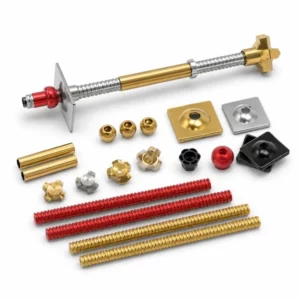
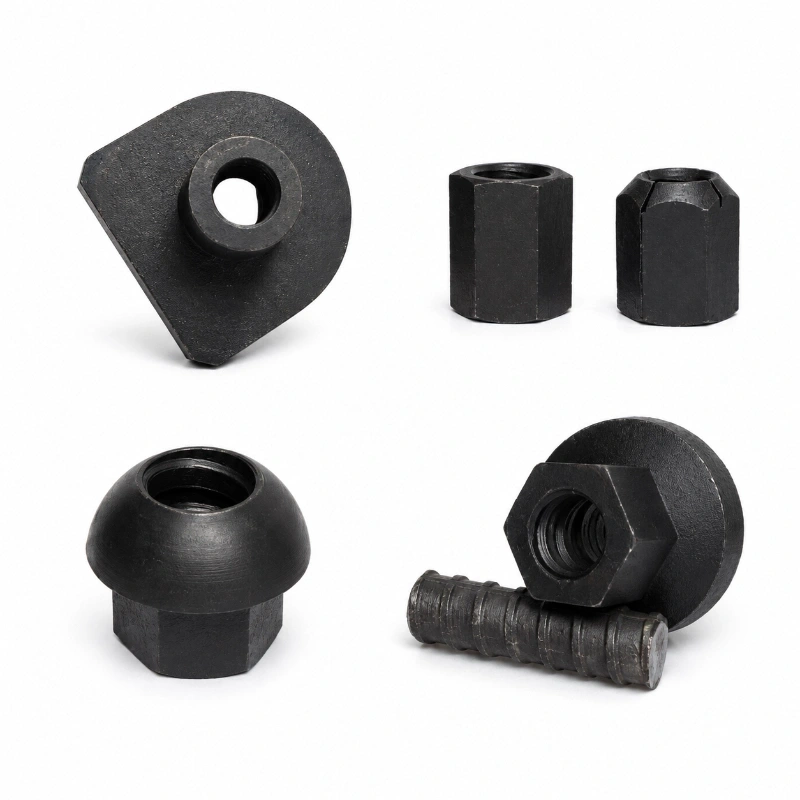
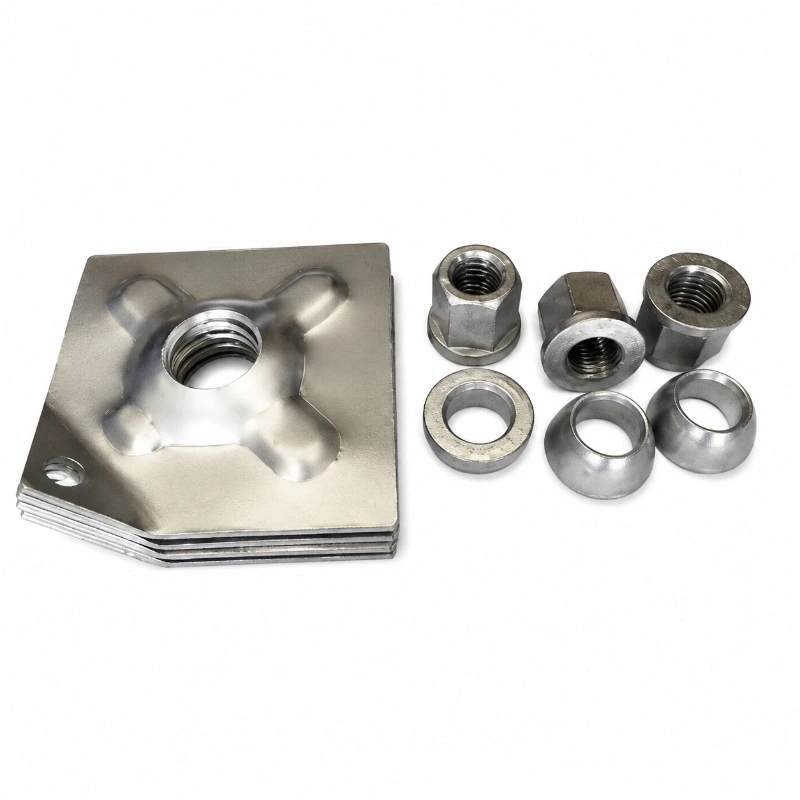
The system can include nuts, couplers, bearing plates, centralizers, and a drill bit adapter.
The drill bit adapter uses a T40 anchor thread and can connect with R51, T52, T73, or T76 drill bit threads. This gives you more flexibility when matching the anchor system to the drilling setup used on site.
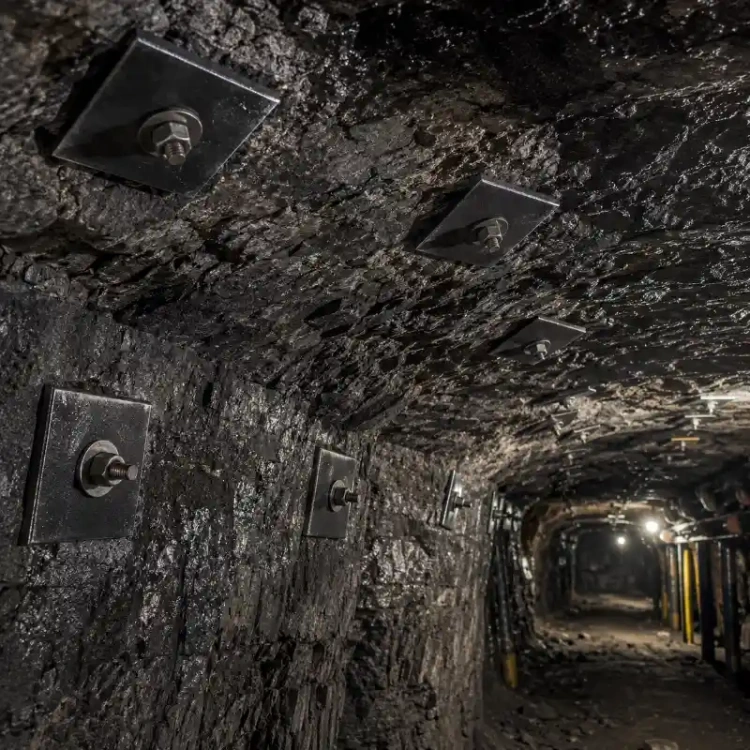
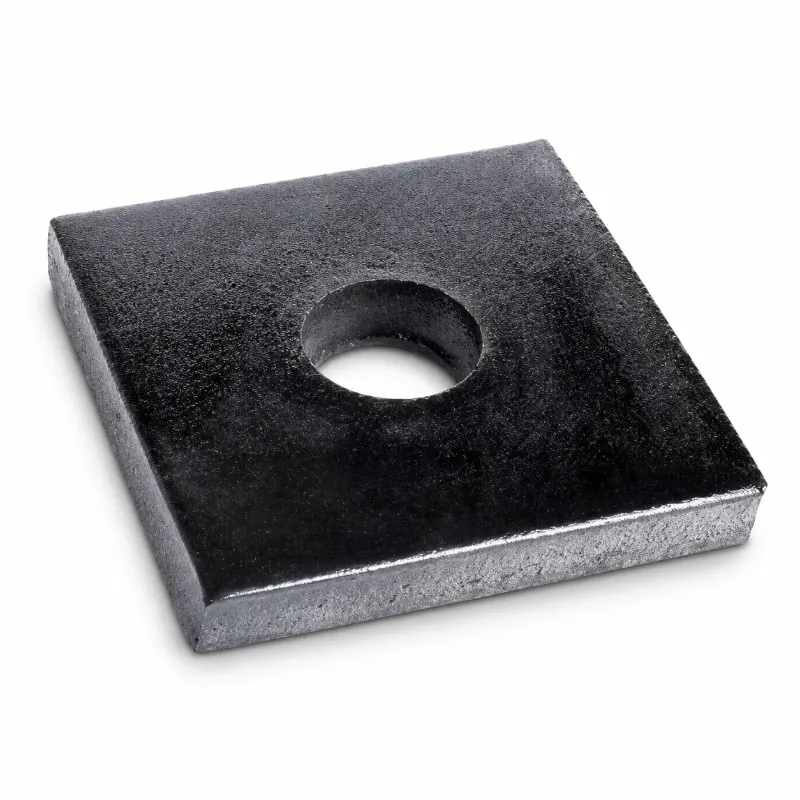
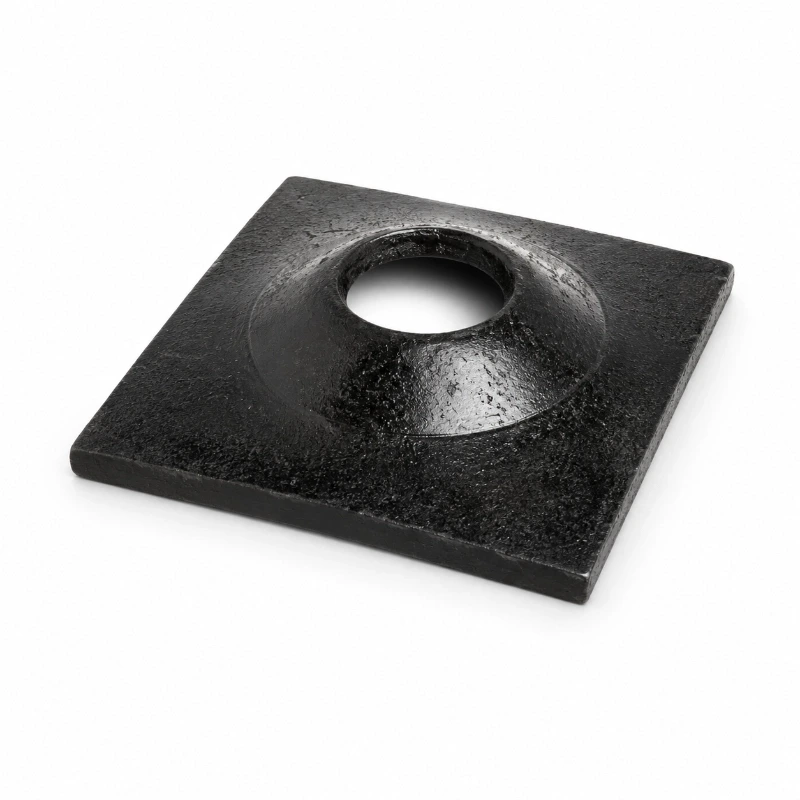
Couplers allow several anchor bars to be connected when a longer drilling depth is required. Bearing plates transfer load from the bar to a wider surface around the hole. Nuts hold the final connection in place, while centralizers help keep the bar better positioned inside the borehole.
These parts may look secondary, but poor matching can quickly reduce the benefit of a self-drilling system. Loose connections, unsuitable thread combinations, or incorrect plate sizes can create delays and make installation harder than it needs to be.
How Should You Install the T40 System Efficiently?
The system removes some steps, but good preparation still matters. You can save time during drilling only when the correct components are ready before the machine starts.
The full installation sequence should follow the project drawing and site procedure.
Prepare the Components Before Drilling
Start by checking the required anchor type, bar length, coupler, nut, bearing plate, centralizer, drill bit adapter, and grout.
Confirm the thread direction and connection sizes. If several bars will be joined, check the couplers before drilling begins.
You should also confirm the required drilling direction and anchor depth.
This sounds basic, but many site delays come from small mismatches. A wrong adapter or coupler discovered halfway through the job stops the whole installation cycle.
The working surface should also be cleaned and prepared where possible so the drilling equipment remains stable during installation.
Drill and Advance the Anchor
Connect the drill bit and adapter to the hollow bar, then drill to the required direction and depth.
During this stage, the bar advances with the drill. It does not need to be inserted into the hole afterward.
This is where the system saves the most time in fractured ground. The anchor is already inside the formation before the borehole has a chance to collapse around an empty space.
For deeper installations, couplers can connect additional bar sections as drilling continues.
Grout Through the Hollow Core
After the anchor reaches the planned depth, grout is pumped through the hollow center.
The grout should fill the borehole around the bar and move into nearby cracks where possible. This helps create a stronger bond and improves load transfer between the steel bar and the ground.
Grout choice, pressure, curing time, and volume should follow the project requirement and site conditions.
Once grouting is complete, install the bearing plate and nut. Tighten them according to the specified procedure, then allow the grout to cure.
A final check should cover anchor position, exposed bar length, connection tightness, and any other inspection points required by the project.
Where Can Self-Drilling Anchors Make the Biggest Difference?
Self-drilling anchors are most useful where ground conditions make conventional boreholes unreliable.
They are not necessary for every drilling job. In stable rock, traditional systems may still be practical. The value becomes clearer when the ground is loose, broken, weathered, or heavily fractured.
Tunnel and Mining Roadway Support
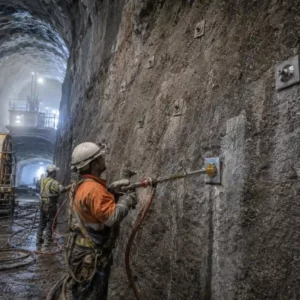
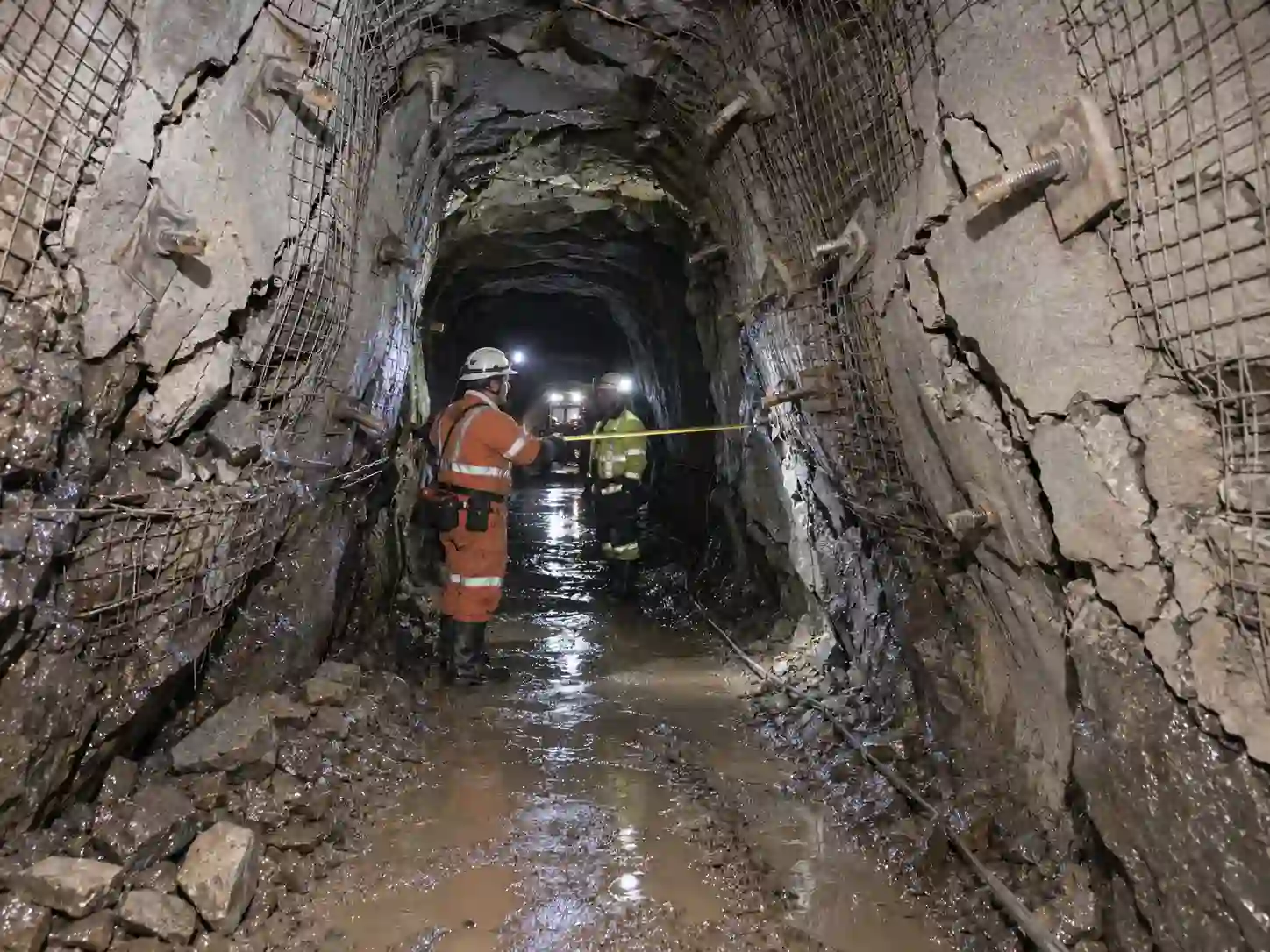
Tunnel headings and mine roadways often pass through changing geology.
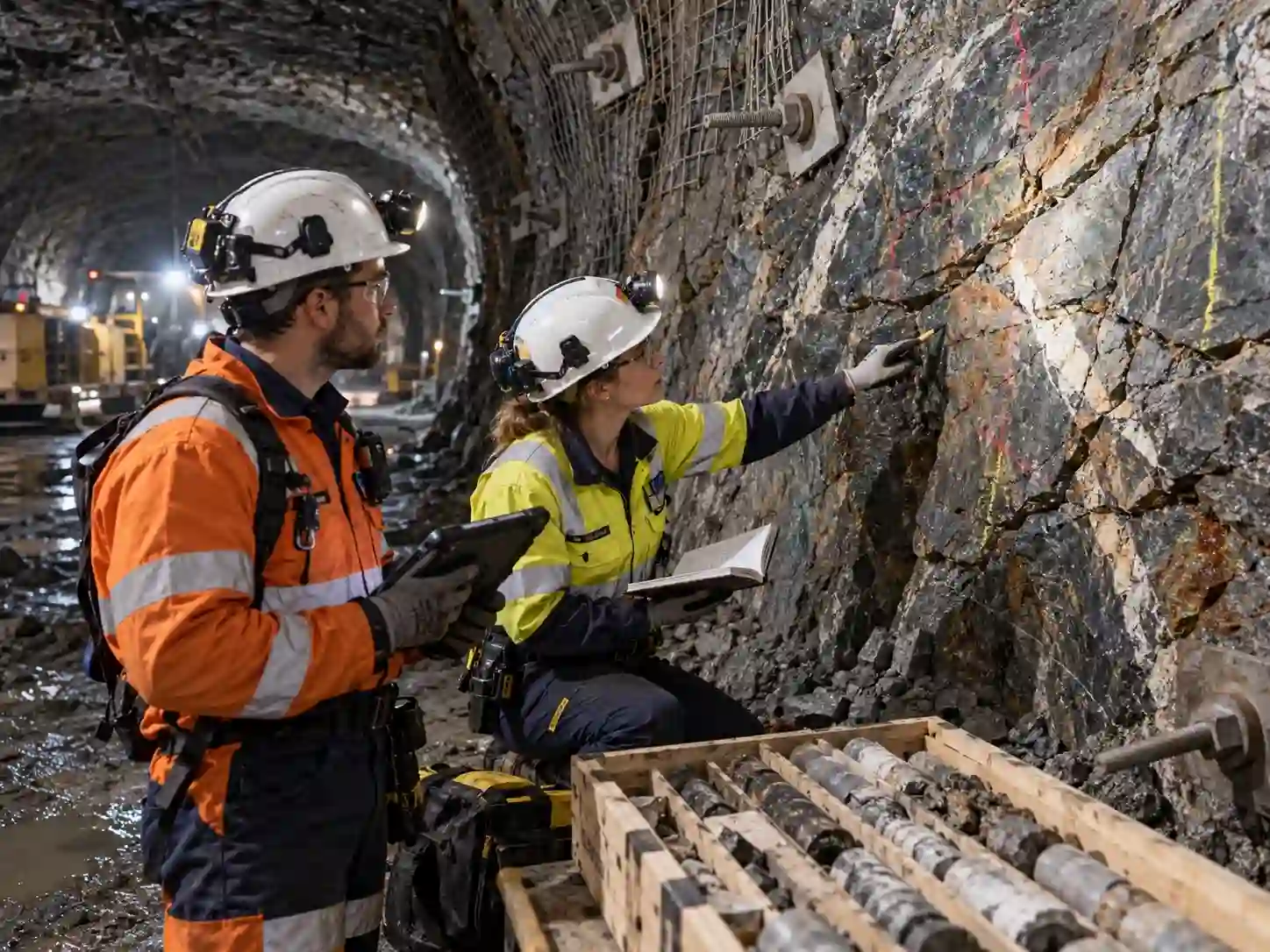
One section may contain relatively stable rock, while the next contains joints, faults, or broken material. When that happens, the support team needs a system that can continue working without spending too much time restoring failed boreholes.
A hollow self-drilling anchor can provide drilling, reinforcement, and grouting through the same installed bar.
This makes it useful for tunnel support, mining roadway reinforcement, underground excavation, and fractured rock zones.
Metro, Hydropower, and Slope Work
The same principle also applies outside normal mine development.
Metro tunnels may encounter mixed or disturbed ground. Hydropower projects often include underground caverns, access tunnels, and fractured rock. Slopes may contain loose layers where a clean borehole is difficult to maintain.
In these jobs, the key benefit is not simply higher drilling speed. It is a more direct path from drilling to finished reinforcement.
How Should You Choose the Right T40 Configuration?
You should start with the ground and the design requirement rather than choosing a bar only from a product table.
A good selection considers strength, length, connection method, corrosion exposure, and the full set of system components.
Check Load Capacity and Anchor Length
Compare the required design load with the yield and ultimate load of each T40 option.
Do not select T40/16 simply because it has a higher load capacity. A heavier bar may not be necessary for every support point. The correct choice should match the design rather than exceed it without reason.
Standard lengths can range from 1 m to 9 m, so you can match the bar length to different support depths. Couplers can also be used when the required depth exceeds the length of one bar.
Consider Corrosion Before Ordering
Underground water, humidity, chemicals, and long service periods can affect steel anchors.
Hot-dip galvanizing and epoxy coating are available as corrosion-protection options. The right coating depends on the site environment, expected service life, and project specification.
You should also consider how coating affects thread fit. Threads still need to connect properly after surface treatment.
This is one reason why it helps to order the bar and matching accessories as one system rather than mixing components from several unrelated sources.
What Should You Check Before Buying a Self-Drilling Anchor System?
For a project buyer, the technical drawing is only one part of the order.
You also need the right material grade, dimensions, thread profile, load data, corrosion protection, packaging, and inspection requirements.
A supplier should be able to confirm these points before production starts.
Useful quality checks may include raw-material inspection, steel grade confirmation, dimensional checks, thread inspection, tensile or yield testing when required, coating inspection, batch identification, and final quantity checks.
For customized orders, drawings should clearly state bar length, thread direction, coupler type, plate dimensions, coating requirements, and any special packing method.
The manufacturer can also provide broader technical and export service support for customized production, inspection documents, international shipping, installation guidance, and after-sales needs.
When you request a quote, send enough project information to avoid several rounds of basic questions. Ground conditions, application, required load, anchor length, quantity, thread direction, coating, accessories, and destination are useful starting points.
If you already have engineering drawings, include them.
For project matching, specification checks, or a quotation, you can contact the support team with your drilling and ground support requirements.
TSS
What Is a Self-Drilling Anchor System?
A self-drilling anchor system uses the anchor bar as part of the drilling assembly. The bar advances into the ground during drilling, stays in place as reinforcement, and can carry grout through its hollow center.
Why Is a Self-Drilling Anchor Useful in Fractured Ground?
It reduces the time between drilling and reinforcement. You do not need to remove a separate drill string and then insert another anchor into a borehole that may collapse or deform before installation is finished.
What Is the Difference Between T40/20 and T40/16?
Both have a 40 mm outer diameter. T40/20 has a 20 mm inner diameter, 540 kN ultimate load, and 430 kN yield load. T40/16 has a 16 mm inner diameter, 660 kN ultimate load, and 520 kN yield load. T40/16 has a larger steel cross-section and higher load capacity.
 Tegishli




Har doim ajoyib xizmat