

-
 Ground Support Design: Matching the System to Rock Mass Conditions
- 16th Октябрь 2026
Ground Support Design: Matching the System to Rock Mass Conditions
1. Why Rock Mass Conditions Determine Ground Support Design
When you excavate into rock mass the in situ stresses will change.
This can cause a variety of issues to occur depending on the rock mass structure and stress conditions surrounding your excavation.
- Openings of joints and blocks moving
- Loose roof or wall material
- Separating bedding planes
- Sliding along joint planes
- Fracturing
- Squeeze / Time dependent movement
- Brittle failure due to high stresses
- Rock bursts / dynamic movement of rock
- Water inflow causing problems
These can all become a problem that simply adding a bigger bolt or more reinforcement of the same kind wont solve.
If you have a wedge that is being held in place by the structure around it you may need reinforcement that crosses these planes. If you have a loose rock mass you may need reinforcement that will hold the surface closer together. If you have a squeezing rock mass you may need support that allows large movements.
You need to know what you are trying to support and what mechanisms may need to be stopped by your ground support system.
If you want to learn more about what different systems do check out Mining Ground Support Systems Explained: Bolts, Cables, Mesh and Straps.
2. How Engineers Evaluate Rock Mass Quality
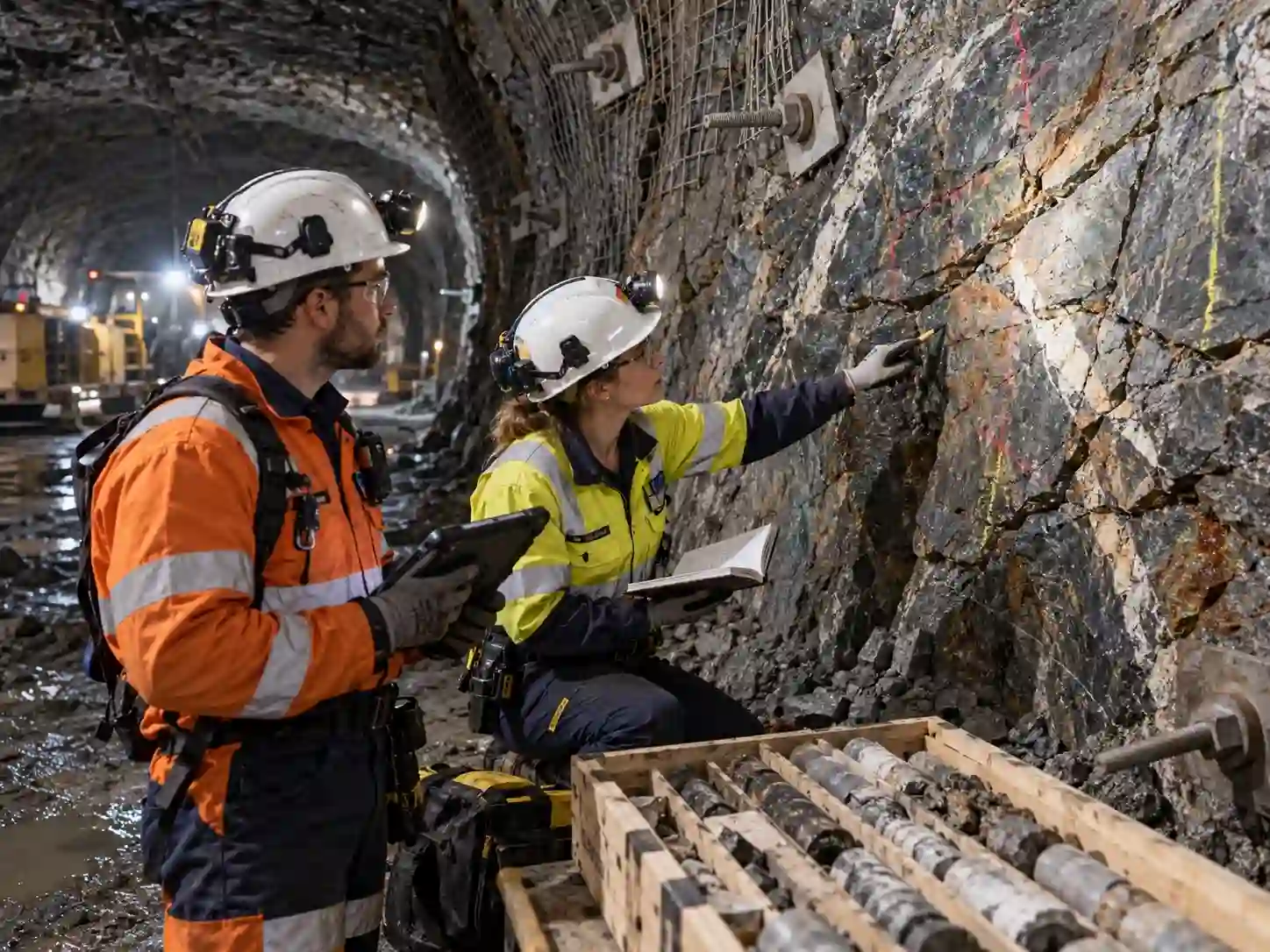
There are many ways to classify your rock mass. This includes geological mapping and identification of rock structures. Lab tests can be performed and monitoring installed in the ground to give you an idea of what is happening.
There are 3 classifications I often use when evaluating a rock mass. RMR, Q-system and GSI.
2.1 Rock Mass Rating (RMR)
Rock mass rating was created by Bieniawski and can help you determine the quality of your rock mass.
There are several parameters taken into account when calculating your RMR value.
- Intact rock strength
- Rock Quality Designation (RQD)
- Spacing between discontinuities
- Condition of the discontinuities
- Подземные воды
- Orientation of discontinuities (if applicable)
Once you have calculated your RMR you can then look at the tables and start to classify your rock mass.
There will always be instances that a single RMR value cannot classify all aspects of your rock mass. You may have joints that dip into the roof or walls of an excavation or other features that will need to be taken into account when designing your support.
2.2 Q-system
Another way of classifying your rock mass is using the Q-system from the Norwegian Geotechnical Institute (NGI).
The Q-system takes 6 parameters into account when determining the quality of your rock mass.
Q = (RQD/Jn) x (Jr/Ja) x (Jw/SRF)
- RQD = Rock Quality Designation
- Jn = Joint Set Number
- Jr = Joint Roughness Number
- Ja = Joint Alteration Number
- Jw = Joint Water Reduction Factor
- SRF = Stress Reduction Factor
The Q-system can be used to determine what type of support may be needed when excavating underground.
The size of your excavation also comes into play when looking at what support is required using the Q-system. The Excavation Support Ratio (ESR) can help with this.
You can learn more about how the Q-system works here.
Always remember these charts are only there as a guideline and you need to make sure you know what you are doing before using them to select your support.
2.3 Geological Strength Index (GSI)
GSI can help you describe your rock mass by identifying the geological structure of the rock mass.
It can also be used when trying to find rock mass strengths and using them in your models with correct models and estimations.
Again there is no way you can just look at a GSI chart and say I need a certain type of rock bolt or mesh with a certain aperture. You need to understand your rock mass and use GSI when classifying it.
What Is the Difference Between RMR, Q-System and GSI?
| Method | Main Purpose | Typical Design Contribution |
| RMR | Classify rock mass quality | Preliminary assessment and engineering correlations |
| Q-system | Assess excavation-related rock mass conditions | Empirical underground support recommendations |
| GSI | Characterize rock mass structure and surface conditions | Rock mass strength estimation and numerical analysis |
They all can give you different information but should not be used as a substitute for one another.
3. Ground Support Design for Competent but Jointed Rock
Rock mass may be competent however there can be unstable blocks created by discontinuities.
Rock may be of high quality but joints that make up the block can be of lower quality.
Ground Conditions
- Roof wedges
- Persistent joint planes to cause sliding
- Blocks becoming free locally
- Rock falls between reinforcement
Support Members
There are various members that can be used depending on the support design.
Fully Grouted Rock Bolts
Can penetrate through discontinuities and limit relative movement between blocks.
Mechanical / Resin Anchored Bolts
May be utilised where applicable to their method of anchorage, installation and loading requirements.
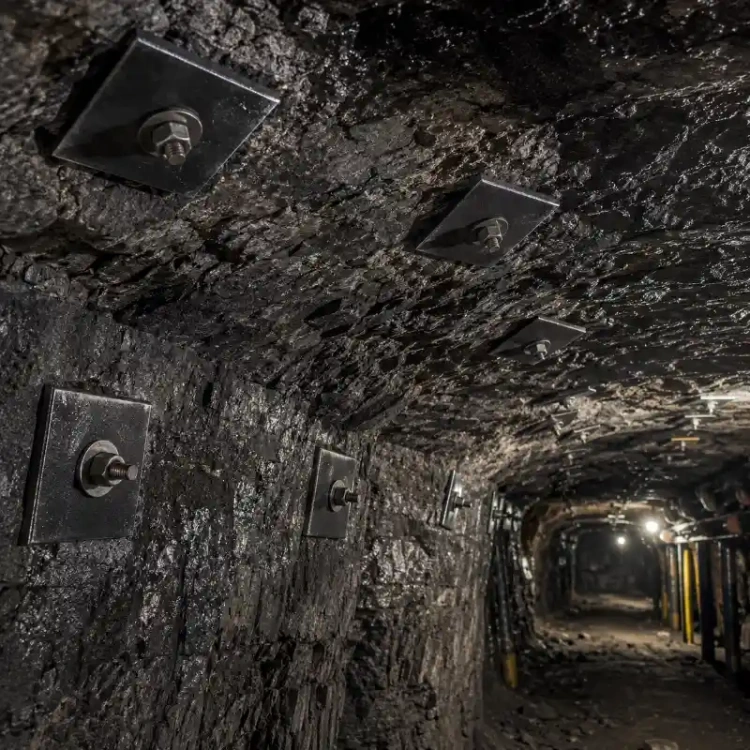
Wire Mesh and Plates
Provide surface support to help hold back small pieces of rock between reinforcement.
Considerations
It is important to understand how the bolt is oriented and anchored into the rock mass.
Uniformly spaced bolts may not be effective if there are wedges or persistent structures to consider.
Explore Rock Bolt Types for Mining and Tunneling for an overview of different anchorage mechanisms.
4. Ground Support for Weak and Highly Fractured Rock
If the rock mass is weak it can also create issues when installing reinforcement.
Holes can become blocked or loose their shape once drilled.
This will also effect what type of installation you may use.
Common Issues
- Loose holes
- Cannot maintain hole
- Limited anchorage
- Loose ground around opening
- Movement around opening
- Fractures that may hold water
Support Members
Self Drilling Hollow Anchors
Are able to drill and place reinforcement. As there is a hollow bar grout can be injected through it.
Can be used when there is difficulty maintaining a pre drilled hole.
Fully Grouted Reinforcement
Can help with transferring loads through the anchor if installed correctly.
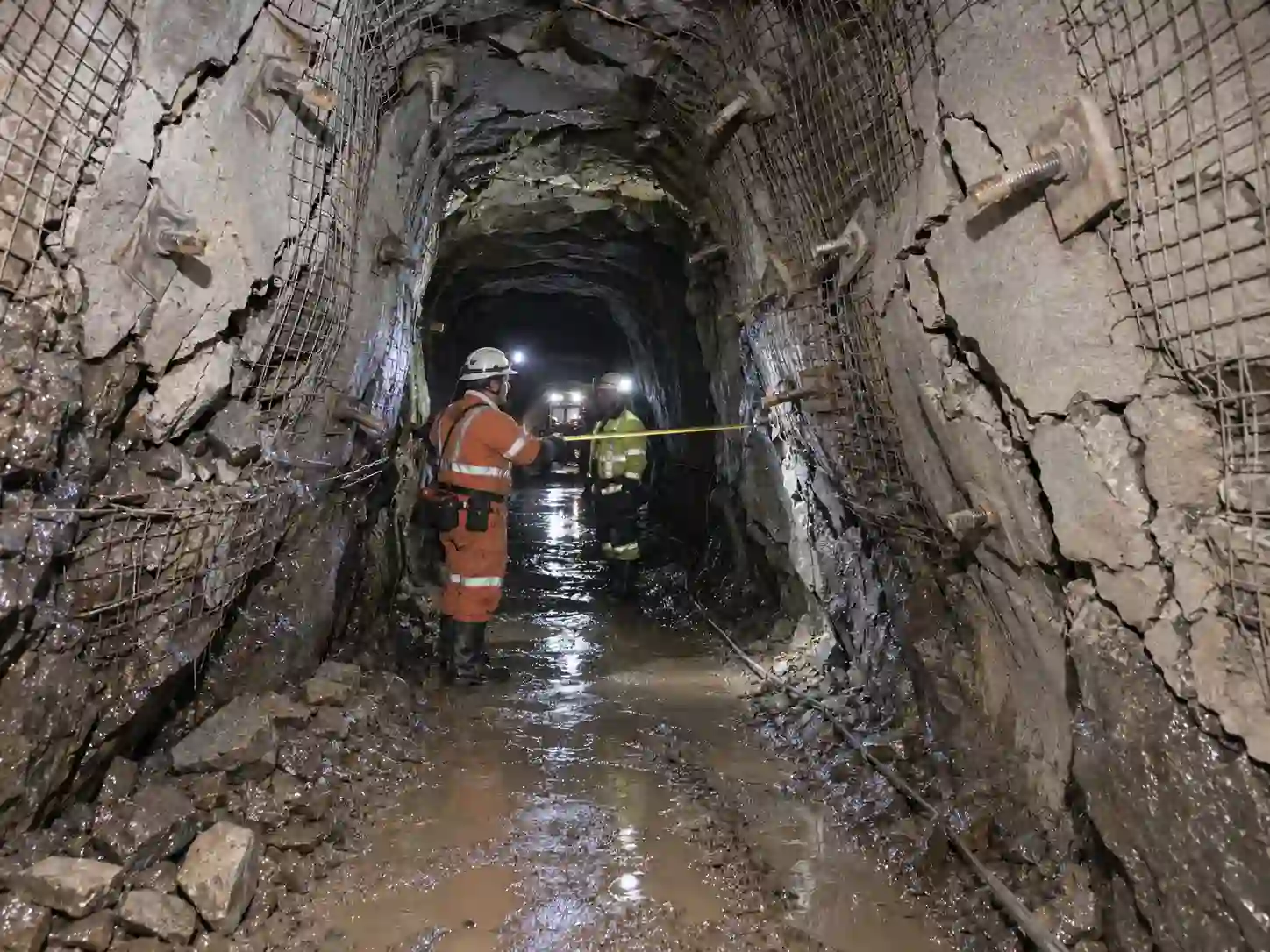
Wire Mesh and Shotcrete
Help to contain material around the surface of the excavation if designed correctly.
Steel Support
May be used when reinforcement is unable to provide sufficient support.
Important To Note
Just because an anchor has a certain strength doesn’t mean it can achieve that strength once installed.
You need to know how the anchor, grout, rock mass and connection to surface will act together.
Read Self-Drilling Anchor Bolt vs Conventional Rock Bolt: When Hollow Bar Pays Off and Beyond Anchor Strength: How Rock Anchor Systems Improve Underground Ground Stability.
5. Ground Support for Layered and Bedded Rock
There is often delamination and movement between the beds of layered rock.
Commonly seen in Coal Mines Roadways, bedded rocks and any excavation that cuts through a weak layer of rock.
Failures that may occur
- Delamination of roof layers.
- Bending of layers.
- Sliding on bedding plane.
- Weak bands of rock may separate.
Reinforcement may have to span these weak layers to achieve good anchor in more competent rock.
Could consist of the following:
- Rock Bolts using resin.
- Threaded Bars with full grout.
- Cables.
- Straps.
- Mesh.
- Bearing plates.
Bolting needs to be determined by what the geology dictates and where you will achieve anchor.
It can be ineffective if you use a longer bolt that anchors in poor rock.
6. Ground Support Design for Squeezing Rock
The ground may experience high amounts of deformation when squeezing.
Amount of deformation will depend on how strong the ground is. The stress around the opening, size and shape of opening and the support used. As well as time.
If your support system cannot deform enough you may exceed the load and/or deflection capacity of the support.
Using heavier steel may not help if you do not evaluate how much the ground will deform.
Support may need to include:
- Reinforce the ground with the ability to deform.
- Allow for yield in the support.
- Staged excavation.
- Shotcrete/Mesh
- Steel or some form of support.
- Monitor ground deformation.
Not all Friction Bolts, Mesh and Steel supports will allow for large deformations.
You need to understand what the support will allow for load/displacement.
Allowing the ground to deform but keeping the roadway/serviceable.
Roadways see Wanfeng Mine Roadway Reinforcement.
7. Ground Support for High-Stress and Rockburst-Prone Conditions
Underground excavations subjected to high stresses can exhibit brittle failure and/or strain burst.
Considerations need to be made that are different to what you would normally consider when dealing with gravity induced rockfalls.
Not all static strengths are created equal
A rockbolt could have an ultimate strength of xKN but not have enough deformability to meet your expected demand.
Some things to keep in mind when providing dynamic ground support are.
- Demand you expect to meet
- Dynamic loading/displacements
- Amount of deformability the reinforcement will experience
- Ability to retain surface support
- Connections
- Modes of failure
- Workability of components together
Support may consist of (depending on what ground control is approved for)
- Yielding/Energy absorbing rockbolt’s tested for their application
- Mesh that can withstand dynamic events
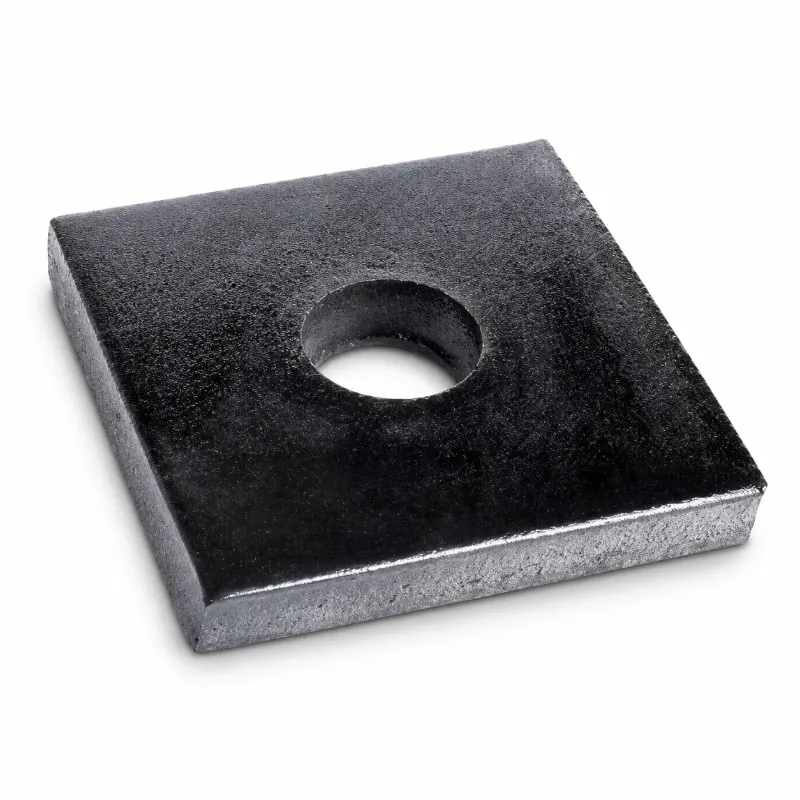
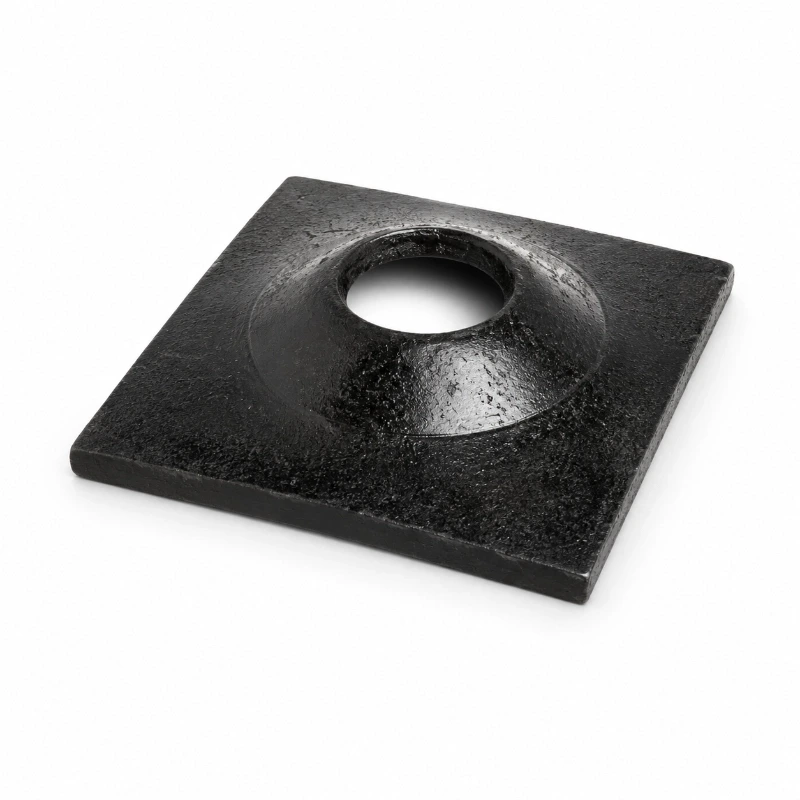
- Bearing plate’s and connections
- More reinforcement if needed
- Shotcrete/Composite to help retain surface support
Do not sell a component as being rockburst rated because it has a high strength.
Testing should be conducted to verify these components can withstand dynamic events.
8. When Do Cable Bolts Become Necessary?
They can be used when you need to anchor further into the rock mass then what would be practical with conventional bolting.
Some examples would be.
- Large underground openings
- Large roadways intersections
- Areas of instability at greater depth
- Stopes that require a longer length of support
- Structures that extend past the area supported by normal bolting.
There are many factors to consider before deciding that cable bolts are better then conventional rock bolts.
How they are anchored, loaded and if they are feasible to install as well as how they perform as part of an overall support system.
Cable bolts and rock bolts can be used together as part of a support system.
9. Matching Ground Conditions to Support Functions
The following table provides a preliminary selection framework.
| Rock Mass Condition | Main Design Concern | Support Options for Evaluation |
| Competent, jointed rock | Structural wedges and local block movement | Rock bolts, mesh, plates |
| Weak, fractured rock | Borehole stability and near-surface loosening | Fully grouted or self-drilling anchors, mesh, shotcrete |
| Layered or bedded rock | Bedding separation and shear | Rock bolts, longer reinforcement, straps, mesh |
| Squeezing ground | Large deformation | Deformation-compatible reinforcement, yielding systems, structural support |
| High-stress, burst-prone ground | Dynamic loading and rock ejection | Tested energy-absorbing reinforcement and surface support |
| Large-span excavation | Deep or extensive instability | Cable bolts, rock bolts, surface support |
| Water-bearing rock | Hydraulic effects, anchorage and durability | Compatible grouted systems, drainage and corrosion protection |
This should be used as a screening tool only and not used in lieu of a mine support design or as a bolt spacing chart.
The engineer or competent person will need to determine actual reinforcement lengths, strengths, directions, layouts and any test requirements.
10. A Practical Ground Support Design Workflow
There should be some correlation between the rock mass and what you expect your support to do.
10.1 Establish Rock Mass Information
Gather as much information as possible.
- Rock mass type/strength
- Joints/discontinuity sets
- RMR/Q/GSI
- Water
- Stress
- Faulting
- Geometry of opening
10.2 Determine Failure Modes
Structural, fracturing, squeezing, dynamic or some combination of these.
10.3 Determine What Your Support Needs to Do
Reinforcement needs to provide:
- Функция
- Strength
- Allowable movement
- Depth
- Retention at surface
- Duration
- Corrosion
10.4 Choose Appropriate Products
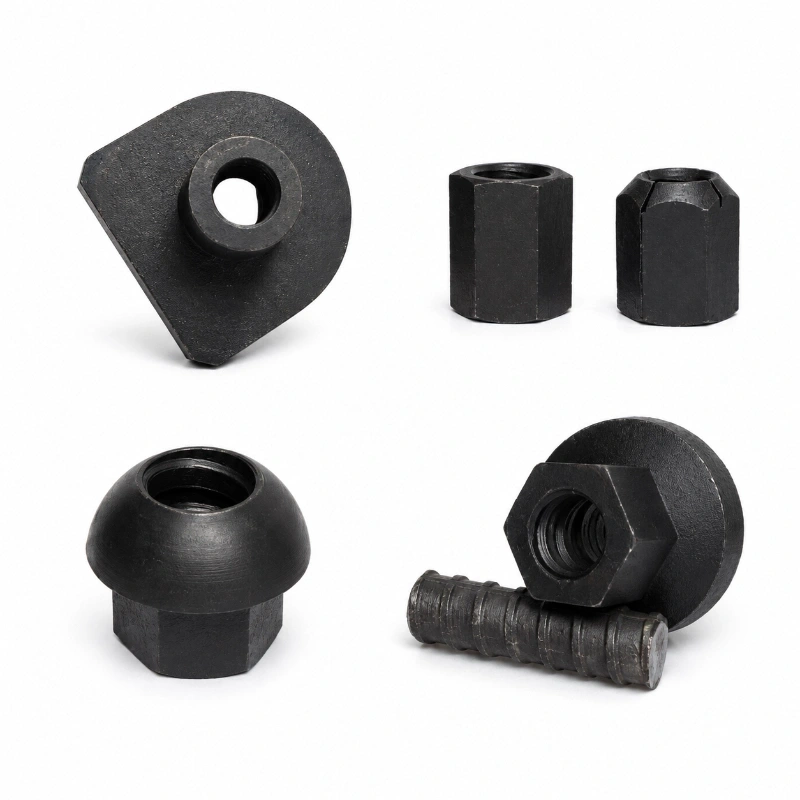
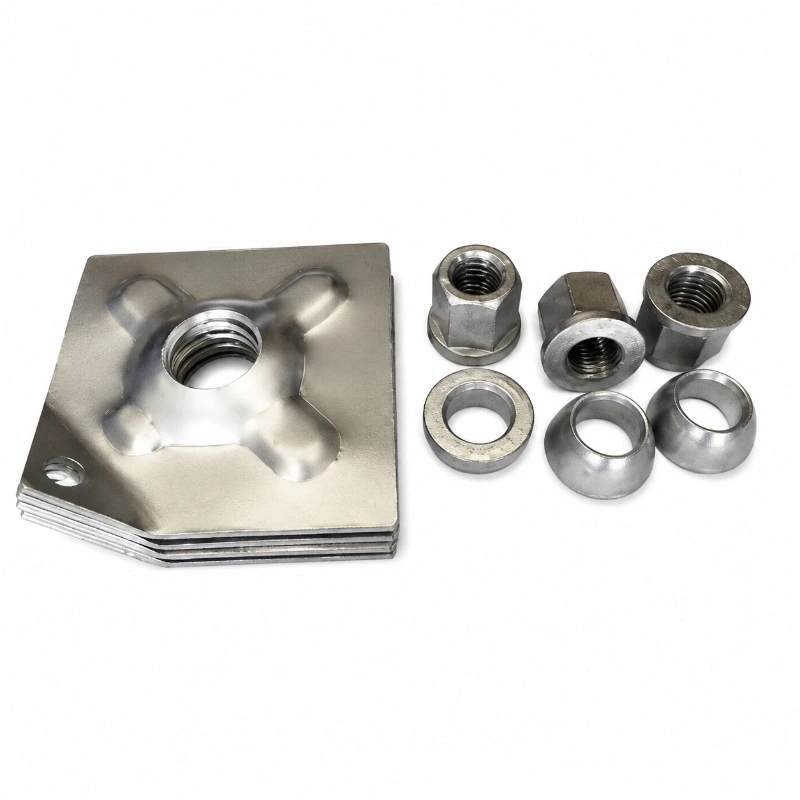
Bolts/grouts/plates/nuts/mesh/straps/shotcrete etc. All products that have been called out on your design should work together.
10.5 Determine if Support Can Be Installed
Can you drill it? Can you install it? What quality control can you do?
10.6 Test/Assess Your Design
Test/assess your design as needed.
If conditions change from what you predicted you may need to adjust your support.
11. Procurement Checklist for Ground Support Projects
International Mining & Tunneling Projects should include as much of the following when requesting products:
Technical Information
- What the product will be used for and what type of excavation you have
- Drawings of approved reinforcement
- Rock mass information and water table that would affect your supplies
- Rock bolt/cable bolt diameter
- Grade of steel and its properties
- How you want it anchored and grouted
- Bearing plate and nut
- Mesh/straps
- Защита от коррозии
- Standards to meet and any testing required
Commercial Information
- Необходимое количество
- Time frame for delivery
- Упаковка
- Any inspection certificates needed
- Location of delivery
- If you need the product made for your OEM or application
Please see our Wanfeng Product Supply and System Integration page.
12. FAQ
Q1: How will rock mass condition affect the ground support system?
Depending on what rock mass you are in it can effect what failure mechanisms may occur, amount of reinforcement needed, ability to anchor into rock, how much deformation may be expected and what type of surface support may be required.
Q2: Can I use the RMR/Q value to determine my rock bolt spacing?
While classification systems can help with this you will need to determine your rock bolt spacing using the proper engineering methods. Based off the excavation shape, geology and stresses that are acting on the opening as well as the method used.
Q3: What type of ground support can be used in poor quality rock?
You can use many types of ground support such as full grouted reinforcement, self drilling hollow bars, mesh, shotcrete and structural support. It all depends on the conditions and what you want the support to do.
Q4: What is the difference between squeezing-ground support and rockburst support?
Squeezing-ground support will need to accommodate what could be a large deformation. While rockburst support needs to withstand sudden dynamic loads/displacement and energy requirements.
Q5: At what point do you use cable bolts over rock bolts?
There is no definite answer to this question. You may want to use cable bolts if you want more depth of reinforcement or anchorage length. Or even want to change the shape of your installation.
Q6: Can you have the same ground support design in a whole mine?
A mine can have set categories of ground support that are used throughout the mine. But depending on the geology/stress/groundwater/excavation you may have different designs or variations.
Q7: Is having more reinforcement better?
Having stronger rock bolts does not always mean that your system is stronger. If you don’t have enough anchorage length or allow the system to deform. It will only make your support system weaker.
13. Conclusion: Design for the Rock Mass, Not the Product Catalogue
Knowing how your ground will act once you’ve excavated into it is key to selecting an effective ground support design.
Whether your ground consists of good rock with joints, poor ground, bedding planes, squeezing ground or prone to Rockburst there will be varying levels of reinforcement and support required.
RMR Q-System & GSI are useful when describing your ground but these classifications should be used as part of an overall ground control solution.
Selecting the correct ground support design will not always be about what is the strongest. Its about having a proven combination of reinforcement, anchoring, support at surface and deformability that can achieve the required level of ground control for your project.
Supplying your project specified ground support from Wanfeng
Rock bolts, self drilling rock anchors, cable anchor products, steel support products, mesh, plates, nuts & couplers. These are all available from Hebei Wanfeng Machinery Manufacturing Co.Ltd.
If you have project drawings and requirements we can supply your products to specification. We also require your quality documentation if needed.
View our Mining Support Products & Engineering or our Mine Roadway Support Products.
Get A Quote On Your Ground Support Products
Please supply us with your supported design drawings, product sizes, specifications, standards required and quantities. Also include your location.
 Связанный




Превосходное обслуживание каждый раз