

-
 Типы анкерных болтов: Какой анкерный болт подходит для горных работ и прокладки туннелей?
 - 7 сентября 2026 г.
 Типы анкерных болтов: Какой анкерный болт подходит для горных работ и прокладки туннелей?
 Типы анкерных болтов: Какой анкерный болт подходит для горных работ и прокладки туннелей?
Что такое анкерный болт?
Анкерные болты предназначены для укрепления грунта и устанавливаются в пробуренное отверстие. Они помогают стабилизировать окружающий их скальный массив.
Анкерный болт отличается от несущей опоры, которая опирается на котлован снизу.
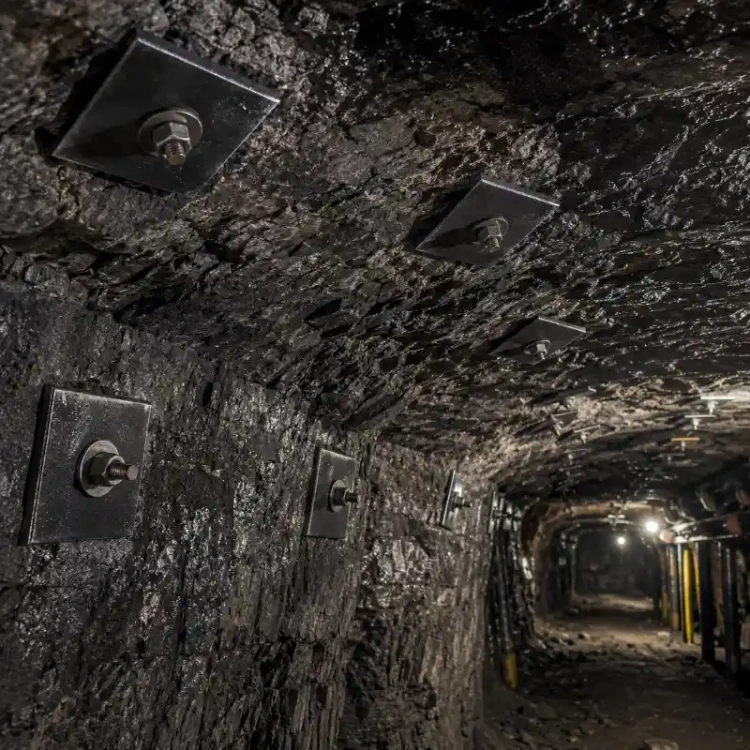
Анкерные болты взаимодействуют с окружающей породой, удерживая треснувшие блоки, связывая более слабые слои с более прочными, улучшая фиксацию или передавая нагрузку из нестабильной зоны в более стабильную зону горного массива. Простая система анкерных болтов выглядит следующим образом:
Горная порода → Скважина → Болт → Анкерное крепление → Опорная плита → Гайка
Различаются в зависимости от типа болта. В некоторых случаях в качестве связующего вещества используется смола или цементный раствор. Другие расширяются механически или опираются на трение между болтом и стенкой скважины.
Запомнить это различие — один из самых простых способов классификации анкерных болтов.
Основные типы анкерных болтов
Терминология, используемая для обозначения анкерных болтов, может различаться в зависимости от страны, месторождения и технических условий.
Некоторые системы классифицируются по механизму крепления, в то время как другие определяются материалом болтов или конструкцией.
Приведенное ниже сравнение дает практическое представление.
| Тип анкерного болта | Основной принцип закрепления | Типичная характеристика | Типичные приложения |
| Болт с анкерным креплением из смолы | Склеивание смолой | Быстрое закрепление и прочное соединение. | Крыши шахт, дороги, туннели |
| Механический анкерный болт | Расширительное/механическое крепление | Якорная стоянка у мыса | Подходящие скальные условия и временная/постоянная опора в зависимости от проекта. |
| Фрикционный болт | Трение о стенку скважины | Относительно быстрая установка | Подземная добыча полезных ископаемых и работы с динамическими/деформирующимися грунтами в зависимости от конструкции. |
| Полностью заделанный раствором стальной болт | Цементная или смоляная затирка | Склеивание по большей части длины болта. | Горнодобывающая промышленность, прокладка туннелей, укрепление гражданских сооружений. |
| Резьбовой болт для крепления камня | Стальной пруток с резьбовым профилем | Совместимо с пластинами, гайками и анкерными системами. | Поддержка горных работ и тоннелей |
| Полый анкер для затирки швов | Полый стальной стержень + инъекционный раствор | Крепление и заделка швов с помощью одного элемента. | Туннели, склоны и труднопроходимая местность |
| Болт FRP Rock Bolt | Полимер, армированный волокнами | Легкий и неметаллический | Области применения, требующие возможности резки или коррозионной стойкости. |
Эти категории не всегда взаимоисключающие. Например, резьбовой стальной анкерный болт может быть полностью заполнен смолой.
Именно поэтому инженеры обычно определяют болты по нескольким параметрам, а не только по названию изделия.
1. Анкерные болты, закрепленные в горных породах с помощью смолы.

Анкерные болты из смолы — распространенный тип подземной крепления грунта.
Принцип их работы заключается в том, что перед установкой самого болта в скважину помещается картридж со смолой. При установке болта смола перемешивается, позволяя анкерному материалу затвердеть вокруг стержня болта.
После застывания нагрузка передается от болта к окружающей породе через отвержденную смолу.
Это позволяет проектировать систему на основе смолы как точечный анкер, частичный анкер для колонны или полный анкер для колонны в зависимости от потребностей применения.
Диаметр картриджа со смолой, время смешивания, время установки и другие параметры должны соответствовать болту и процедуре монтажа.
Время перемешивания будет варьироваться в зависимости от размера картриджа и температуры окружающей среды.
Компания Wanfeng поставляет цементные растворы и анкерные материалы, которые могут использоваться в дополнение к решениям по укреплению грунта.
В каких случаях следует рассматривать использование болтов из полимерной смолы?
Ответ: Во многих областях применения для крепления грунта используются анкерные болты на основе смолы, например, для крепления кровли шахт, подземных выработок, туннелей и других сооружений, где важна быстрая и эффективная установка.
Как всегда, геологические условия и инженерные решения могут повлиять на их пригодность.
2. Механические анкерные болты
Механические анкерные болты обеспечивают фиксацию породы с помощью механического устройства, размещенного в скважине.
В таких системах обычно используется механизм расширения, который «захватывает» окружающую породу при натяжении болта.
Таким образом, передача нагрузки может быть первоначально сосредоточена в точке крепления, в отличие от полностью заделанного в раствор болта.
Преимуществом этого является возможность немедленной поддержки после установки, если позволяют грунтовые условия.
Однако механическое крепление более чувствительно к таким факторам, как геометрия скважины и прочность породы вблизи точки крепления.
В случае слабых или трещиноватых горных пород могут потребоваться альтернативные методы крепления.
Некоторые механические болты могут быть заполнены раствором в рамках конструкции крепления грунта. Раствор также может использоваться для дополнительных защитных свойств или сцепления с породой.
3. Фрикционные анкерные болты
Фрикционные болты обеспечивают передачу нагрузки за счет контакта поверхностей болта и стенки скважины.
Вместо смолы или расширяющихся оболочек устанавливаются фрикционные болты, которые «прижимаются» к стенке скважины. Сопротивление создается по всей длине контакта болта с породой.
Такие болты часто используются в подземной добыче полезных ископаемых. Это объясняется тем, что фрикционные болты можно быстро установить при использовании специализированного оборудования.
Фрикционные анкерные болты также способны выдерживать некоторую степень смещения. Это делает их идеальными для определенных типов креплений, где ожидается деформация.
Следует помнить, что диаметр и соответствие диаметра отверстия имеют решающее значение для болтов с фрикционным затяжным механизмом.
Если диаметр слишком велик или конструкция выполнена не в соответствии с заданными допусками, то между болтом и стенкой скважины может не быть обеспечено надлежащее трение.
Суть в том, что болты с фрикционным креплением не следует выбирать, ориентируясь только на номинальный диаметр.
Группы по закупкам должны оценить монтажное оборудование и указать подходящий диаметр скважины наряду с размером болта.
4. Полностью заделанные в скальную породу анкерные болты.
Полностью заделанные раствором анкерные болты ввинчиваются в грунт с использованием анкерного материала по большей части или по всей своей длине.
В зависимости от конструкции системы, в качестве затирочного материала может использоваться либо смола, либо цемент.
Полное заполнение швов раствором помогает распределить нагрузку по большей площади арматуры, а не концентрировать ее в точке анкеровки.
Полностью заполненные цементным раствором анкерные болты широко используются в горнодобывающей промышленности, при прокладке тоннелей и в геотехнических проектах.
Одним из преимуществ полного цементирования является более равномерная интеграция с окружающей породой, что обеспечивает надежный путь передачи нагрузки на опорную систему.
Следует отметить, что правильная установка по-прежнему имеет решающее значение для болтов, полностью заделанных раствором.
На эффективность работы влияют такие факторы, как подготовка скважины, распределение цементного раствора и процедуры установки.
Пустоты или недостаточное покрытие могут нарушить работу механизмов передачи нагрузки.
Изучите цементные материалы цементные растворы для укрепления грунта где это уместно.

5. Стальные болты с резьбой для крепления к скальным породам
Резьбовые анкерные болты представляют собой стальные стержни с резьбой вдоль определенной длины или по всей длине болта.
Эти резьбы позволяют легко соединять гайки, пластины и другие компоненты с болтом.
Преимущество резьбовых болтов заключается в возможности выполнения соединений на поверхности. Базовая система резьбовых соединений с полным заполнением раствором может включать в себя:
Резьбовой болт + смола/раствор + опорная пластина + шайба + гайка
Помните, что нагрузка в конечном итоге передается по всей системе.
Резьбовой стержень может быть закреплен смолой, зацементирован, установлен в качестве фрикционного болта или использован в сочетании с другими инженерными решениями.
Термин «резьбовой» описывает скорее конструкцию стержня, чем способ его крепления.
Резьба позволяет использовать стержни с различными насадками и конфигурациями пластин.
Резьбовые стержни можно нарезать по длине или использовать в неизмененном виде для международных проектов, при этом доступны различные варианты пластин и гаек.
В наш каталог услуг по креплению грунта входят болты из полимерной смолы, болты из стекловолокна и резьбовые стержневые системы.
6. Полые анкеры для затирки швов
Полые анкеры для заполнения швов — это типы стержней, в которых имеется центральное отверстие, проходящее через весь стержень.
В процессе монтажа полость в основании может использоваться для закачки раствора в грунт вместе с арматурным стержнем.
Это может быть очень полезно, если необходимо заделать трещины в грунте вокруг анкера.
Для достижения того же эффекта при использовании обычных сплошных арматурных стержней требуются отдельные шланги или каналы для затирки швов.
Установка полых арматурных стержней упрощает систему за счет объединения арматурных и цементных материалов.
Как и в случае с другими анкерными стержнями, возможность использования полых стержней будет зависеть от геологических условий.
Они могут использоваться при прокладке тоннелей, укреплении склонов, подземном строительстве и в сложных грунтовых условиях.
При сравнении следует учитывать такие параметры, как размер стержня, требуемая несущая способность, состояние скважины, материалы раствора, длина анкера и процесс установки.
Полые анкеры для заполнения раствором демонстрируют, почему при выборе анкерных болтов следует учитывать всю систему установки.
Химический состав раствора и оборудование для его укладки так же важны, как и диаметр стальной арматуры.
Посмотреть наши Решения для анкеровки и крепления горных пород для совместимых системных конфигураций.
7. Анкерные болты из стекловолокна
В анкерных болтах из армированного волокном полимера используются полимеры, армированные волокнами, вместо обычной стали.
Вместо термообработанных стальных сплавов, болты из армированного волокном полимера изготавливаются из композитного материала.
Болты из стекловолокна могут быть полезны в различных областях применения благодаря малому весу, возможности резки и коррозионной стойкости.
Возможность резки может позволить проводить последующие земляные работы через болт без ущерба для общей прочности системы крепления.
Это лишь один из примеров того, как болты из стекловолокна могут использоваться иначе, чем стальные.
Помните, что болты из стекловолокна и стали имеют разные механические свойства.
Перед заменой стали на армированный волокном полимер следует провести анализ требований к прочности на растяжение, характеристик деформации, химической совместимости и условий эксплуатации.
Узнайте больше о системах анкерных болтов из стекловолокна, предлагаемых компанией Wanfeng.
Анкерные болты против кровельных болтов: есть ли разница?
Термины «балкон для крыши» и «анкерный болт» часто используются как синонимы, но они не всегда являются синонимами.
Анкерный болт — это, в общем, любой арматурный элемент, устанавливаемый в скальную породу.
Под болтом, устанавливаемым в кровлю подземной шахты, выработки, туннеля или другого подземного сооружения, чаще всего подразумевается болт.
По сути, все анкерные болты для кровли можно считать анкерными болтами для крепления к скальным породам. Анкерные болты также устанавливаются в боковых стенах, скатах и в различных других положениях.
Анкерный болт против тросового болта
Анкерные болты можно дополнительно различать по типу материала, диаметру и предполагаемому инженерному применению.
Автономные анкерные болты представляют собой, как правило, жесткие стержни, используемые для обеспечения активной поддержки/укрепления вокруг выработки.
Тросовые анкеры могут быть изготовлены из стальных прядей или армирующего материала, похожего на трос. Тросовые анкеры часто используются, когда требуется большая длина армирования или более глубокое анкерование.
Точечные анкеры против полностью зацементированных анкерных болтов.
Анкерные болты также могут устанавливаться с использованием различных методов крепления.
При использовании анкерных болтов с точечным креплением значительная часть анкерной силы приходится на один участок вдоль скважины.
Полностью заполненные раствором анкерные болты, также известные как полноразмерные анкерные болты, обеспечивают сцепление между раствором и болтом на большей части (если не на всей) его длины.
Факторы, влияющие на выбор типа болта:
В вашем регионе наблюдаются горные удары, сопровождающиеся значительным напряжением грунта? Если да, то, вероятно, потребуются полностью забетонированные анкерные болты.
Требуются ли в данном проекте деформируемые анкеры? Если да, то вам, возможно, следует рассмотреть вариант точечного анкерного крепления с эластичной пластиной или специальным гнездом.
Как точечные анкеры, так и полностью зацементированные анкерные болты имеют важное значение, и ни один из них не является принципиально лучше другого.
Почему опорная пластина важна
Анкерный болт — это лишь один из компонентов комплексной системы крепления грунта.
На поверхности выработки анкерные болты обычно крепятся с помощью пластины, которая помогает распределить нагрузку от болта/гайки по большей площади породы.
Поверхность котлована
Данная пластина должна быть подобрана в соответствии с предполагаемым размером болта, диаметром отверстия и ожидаемыми условиями нагрузки.
Ознакомьтесь с полным ассортиментом опорных плит и крепежных элементов для анкерных болтов от компании Wanfeng.
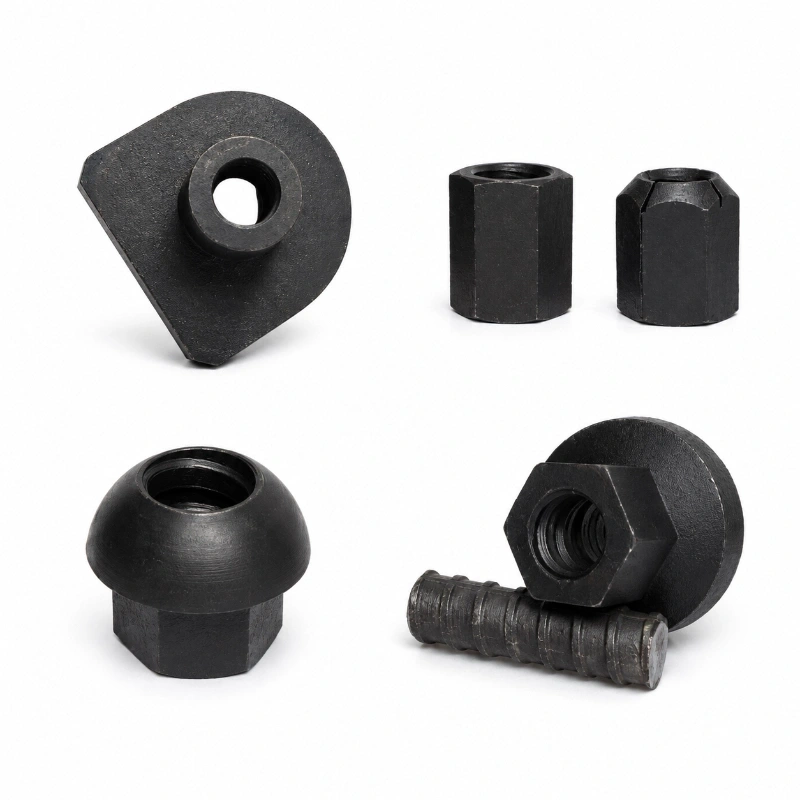
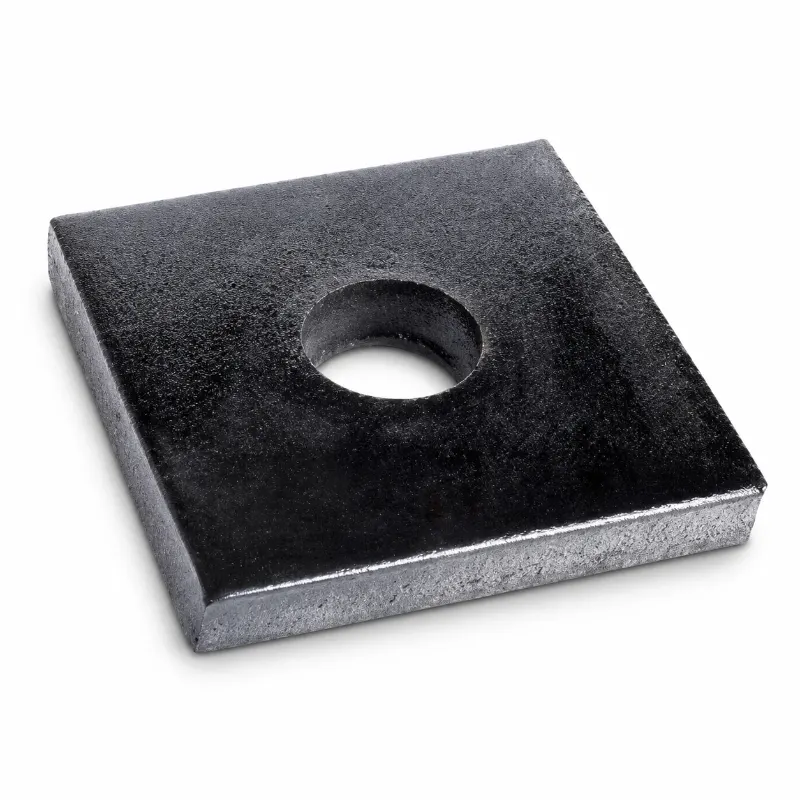
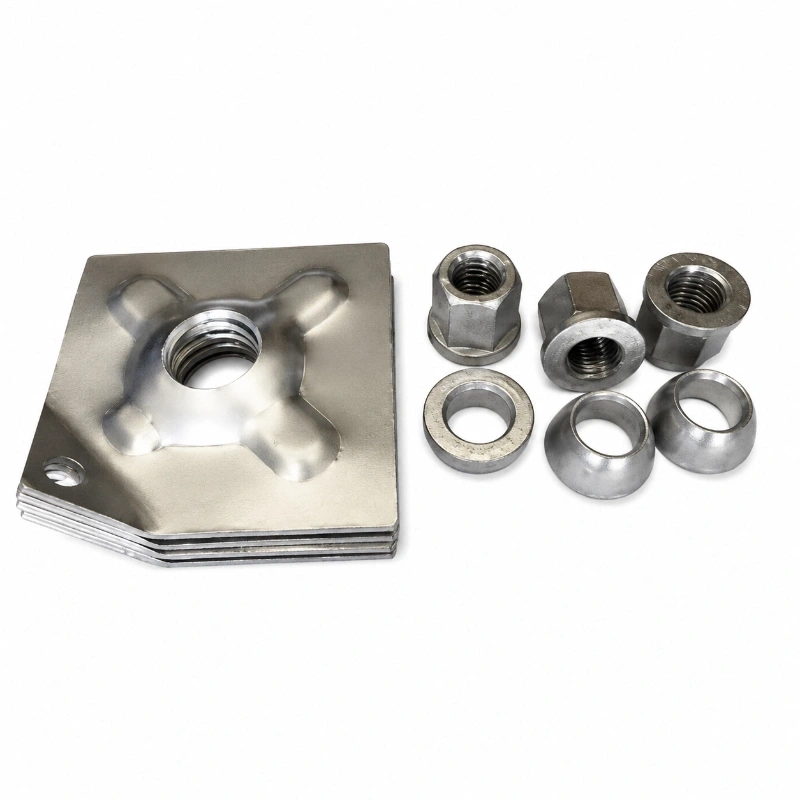
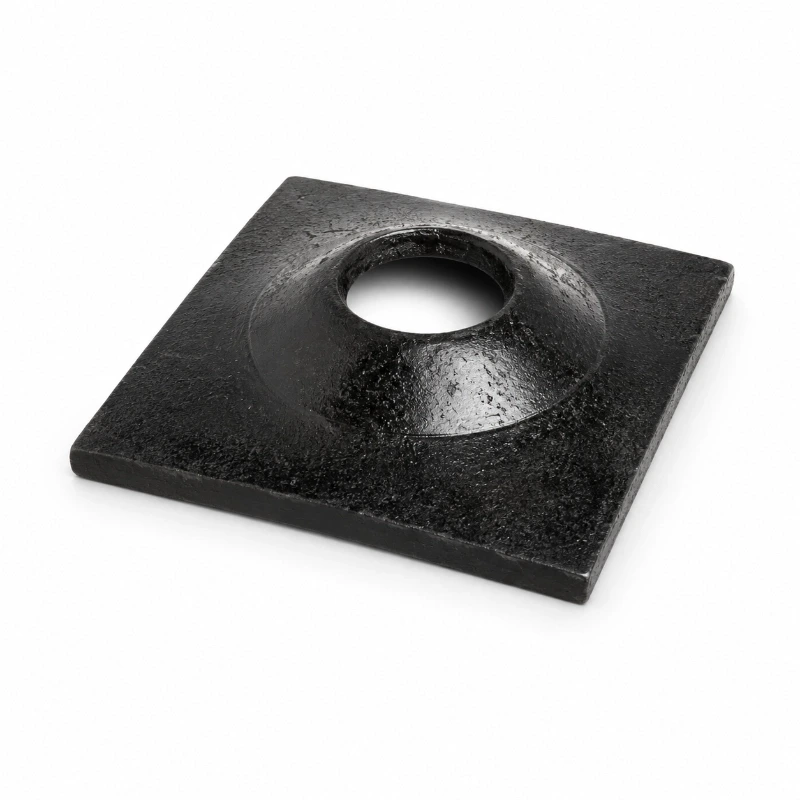
Такие компании, как Wanfeng, предлагают полный спектр услуг. опорные пластины и крепежные элементы для анкерных болтовК ним относятся плоские опорные пластины, анкерные пластины типа «бабочка», куполообразные шайбы и многое другое.
Опорные пластины для анкерных болтов могут оказать огромное влияние на эффективность всей системы крепления горных пород. Например, плоская опорная пластина Wanfeng для анкерных болтов в горнодобывающей промышленности:
Может быть установлен с дополнительными разделителями пластин, которые помогают предотвратить раскачивание или вращение пластин.
Помогает распределить нагрузку от болта по большей поверхности скалы.
Размеры, толщина и диаметр отверстий пластины могут быть изменены в соответствии со спецификациями проекта.
Советы по выбору подходящего типа анкерного болта
Не спрашивайте нас, какой «лучший» анкерный болт.
Обратитесь к нам, чтобы узнать о геотехнических потребностях вашего проекта.
При подготовке запроса предложений или проведении технических обсуждений, как правило, наиболее полезной оказывается следующая информация: область применения проекта, состояние горных пород, диаметр и длина болтов, диаметр скважины, требования к механическим свойствам, метод анкеровки, размеры пластин, тип резьбы, требования к коррозионной стойкости, монтажное оборудование, необходимое количество и имеющиеся чертежи.
Простое утверждение: «Нам нужно 5000 анкерных болтов для горных пород», оставляет нас в неведении.
Учет таких факторов, как применение в шахтах или туннелях, геометрия болтов, требования к материалу/нагрузке, система смолы/раствора, требования к плитам и соответствующие чертежи, позволяет нам быть максимально точными.
Это гарантирует, что вы не будете смешивать и подбирать несовместимые компоненты.
Компания Wanfeng также предлагает инженерные услуги по укреплению грунта, а также услуги OEM-производителя по изготовлению анкерных болтов по индивидуальным спецификациям, нестандартных компонентов и конфигураций, разработанных специально для конкретных проектов.
Выбор анкерных болтов в зависимости от области применения

В разных приложениях обычно устанавливаются разные приоритеты подкрепления.
| Приложение | Типичные инженерные соображения | Системы анкерных болтов, которые могут быть оценены. |
| Крыша подземной угольной шахты | Скорость монтажа, состояние кровли, контроль поверхности. | Системы кровельных болтов из смолы, резьбы или других материалов |
| Шахта твердых пород | Трещины в горных породах, напряжения при выемке грунта и необходимая глубина армирования. | Системы на основе цементного раствора, смолы или трения |
| Туннель | Класс грунта, метод выемки грунта и требования к долговременной опоре. | Системы с заливкой раствором, резьбовые, полые анкерные и другие инженерные системы. |
| Большая подземная пещера | Требования к пролету и более глубокому армированию | Анкерные болты в сочетании с тросовыми болтами |
| Срез склона | Выветривание, разрывы и дренаж | Анкеры, залитые раствором, или специально разработанное для данного проекта усиление скальной породы. |
| Временные раскопки | Последовательность строительных работ и последующие требования к земляным работам. | Стальные или стекловолоконные системы в зависимости от конструкции. |
Это общие концепции выбора, а не проектные спецификации.
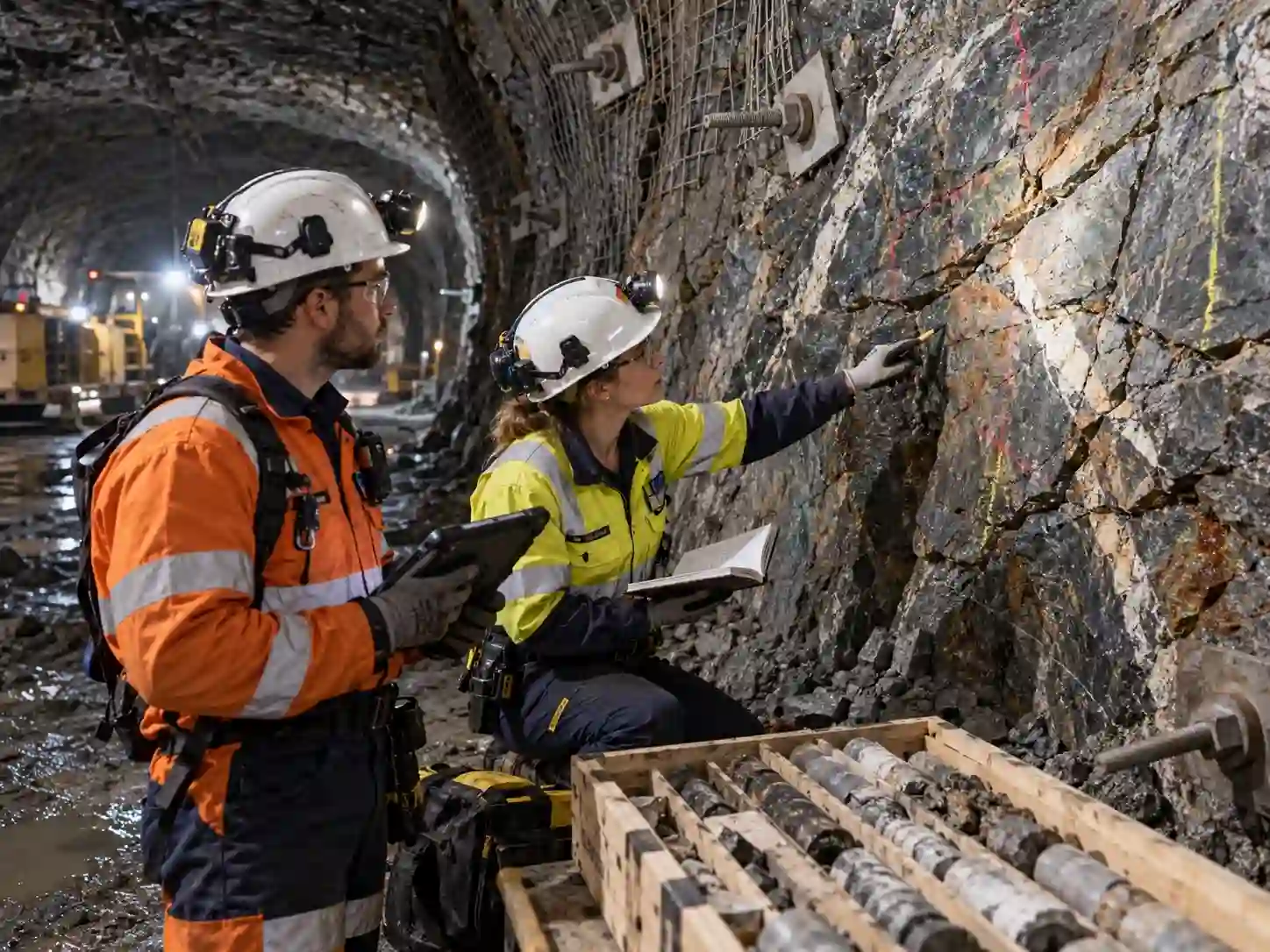
Фактический тип болтов, их размеры, расстояние между ними и схема установки должны быть определены на основе геологических исследований и инженерного проектирования проекта.
Анкерные болты часто являются частью системы крепления грунта.
Покупка анкерного болта как самостоятельного изделия — очень распространённая ошибка.
Комплексное решение для подземной опоры может включать в себя:
Анкерный болт → Смола/раствор → Опорная пластина → Гайка → Сетка → Стальная лента
Смола или раствор являются средой, передающей нагрузку.
Разные материалы используются по разным причинам.
Болт укрепляет грунт.
Пластина помогает распределять нагрузку по поверхности породы.
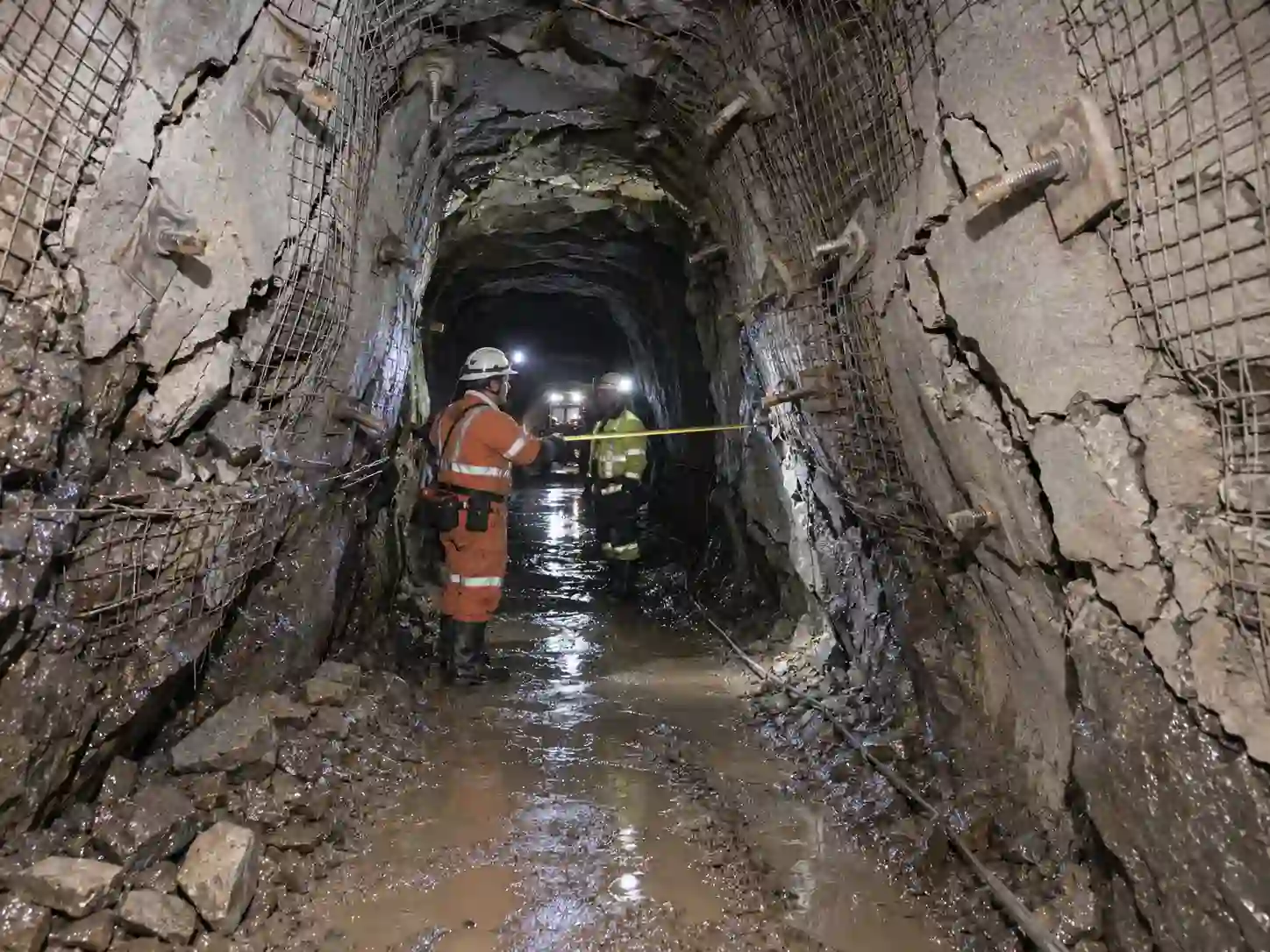
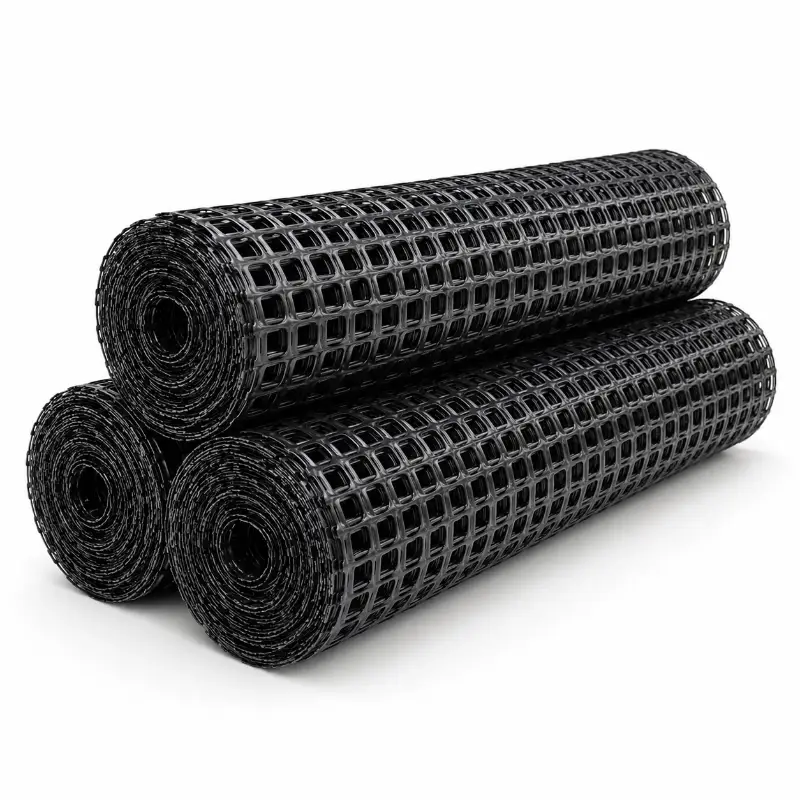
Сетка может использоваться для предотвращения падения камней между болтами.
Стальные стяжки позволяют соединить несколько точек опоры.
При необходимости для повышения прочности конструкции можно добавить дополнительные стальные элементы.
Учет подобных факторов имеет решающее значение при закупке комплектующих у иностранных поставщиков горнодобывающими компаниями, подрядчиками и дистрибьюторами.
Ознакомьтесь с полным ассортиментом продукции Wanfeng для поддержки грунта, чтобы подобрать дополнительные совместимые компоненты.

Распространенные ошибки при выборе анкерных болтов.
Многие проблемы, связанные с закупками, возникают еще до начала производства.
Простой выбор болта, основанный на диаметре, может вызвать проблемы в дальнейшем, если не указан диаметр отверстия, игнорируется совместимость пластины с отверстием, смола заказывается без учета размера болта и отверстия, используются компоненты, разработанные для разных стандартов резьбы, не указаны требования к коррозии или изменения вносятся в один компонент без проверки связанных с ним компонентов.
Наилучшим вариантом является предоставление, по возможности, полной спецификации креплений грунта. Технические чертежи становятся еще более важными, если требуются нестандартные размеры.
Контрольный список для заказа анкерных болтов
Как можно больше из следующей информации:
- Применение: подземные шахты, туннели, склоны, дорожные выемки и т. д.
- Типы анкерных болтов: анкерные с полимерной смолой, полностью заполненные раствором, механические анкеры, резьбовые стальные, полые, из стекловолокна (углеродного волокна или стекловолокна) или другого указанного типа.
- Длина и диаметр.
- Марка стали/композитных материалов и требования к прочности.
- Размер резьбы или стандарт резьбы.
- Требуемый диаметр скважины.
- Тип анкера: полимерная капсула, цементный раствор, механический анкер или другой указанный материал.
- Размер пластины и диаметр отверстия.
- Детали гайки и шайбы.
- Требования к обработке поверхности/коррозии.
- Необходимое количество и желаемая дата доставки.
- Технические чертежи или другие стандарты/спецификации, которым должны соответствовать детали.
Предоставление максимально полной информации позволит ускорить технический анализ и подготовить коммерческое предложение.
Часто задаваемые вопросы
1. Какие существуют типы анкерных болтов?
Анкерные болты можно классифицировать по-разному, но наиболее распространенные классификации следующие:
- Анкерные болты из смолы
- Механические анкерные болты для крепления в скальной породе
- Фрикционные болты
- Полностью забитые анкерные болты
- Стальные болты с резьбой
- Полые анкеры для затирки швов
- Болты из армированного углеродным волокном или стекловолокном (FRP)
Этот список не является исчерпывающим, и терминология может вызывать путаницу, поскольку болты также могут классифицироваться по материалу, способу крепления и способу строительства.
2. Какой анкерный болт мне следует использовать?
Это зависит от области применения. Различные типы анкерных болтов лучше подходят для разных качеств горных пород, требуемой несущей способности, допустимого уровня деформации, условий бурения и имеющегося монтажного оборудования. Общая конструкция крепления грунта также является важным фактором.
3. Какой анкерный болт лучше всего подходит для подземной добычи полезных ископаемых?
Не существует единого «лучшего» анкерного болта для подземных шахт. Условия различаются от участка к участку и даже между зонами одной и той же шахты.
4. Что такое анкерный болт из смолы?
В анкерном болте с полимерной смолой используется картридж со смолой, помещенный в буровое отверстие, для обеспечения сцепления болта с окружающим грунтом. Длина анкеровки может варьироваться в зависимости от конструкции и требований к креплению.
5. Что такое анкерный болт с фрикционным креплением?
Фрикционные анкерные болты обеспечивают свою анкеровочную прочность за счет контакта со стенкой буровой скважины, а не за счет использования смолы или механического расширительного устройства.
6. Что такое полностью заделанный раствором болт?
Полностью зацементированный анкер крепится к грунту по большей части или почти по всей своей длине, зацементированной раствором. Для фиксации таких анкеров обычно используют смолу или цементный раствор.
7. Анкерные болты и кровельные болты — это одно и то же?
Анкерные болты для кровли обычно представляют собой анкерные болты, которые устанавливаются в кровлю подземного котлована. Анкерные болты также могут использоваться в стенках проемов, откосах или других поверхностных и подземных выработках.
8. В чем разница между анкерными болтами и тросовыми болтами?
Анкерные болты, как правило, представляют собой жесткие опорные элементы. Тросовые болты изготавливаются из нескольких гибких стальных жил. Тросовые болты могут использоваться для усиления креплений на больших расстояниях или на большей глубине в зависимости от инженерного проекта.
9. Можно ли адаптировать технические характеристики анкерных болтов к требованиям проекта?
Да. Многие характеристики анкерных болтов могут быть изменены в соответствии с конкретными инженерными и проектными требованиями. Диаметр, длина, материалы, тип резьбы, размер пластины, обработка поверхности и многое другое могут быть настроены индивидуально. Компания Wanfeng даже предлагает разработку анкерных болтов по индивидуальным спецификациям в качестве одной из своих инженерных и OEM-услуг.
Нужны анкерные болты для горных работ или прокладки тоннелей?
Выбор подходящего анкерного болта — задача сложнее, чем просто подбор болта нужного диаметра.
Анкерный болт, смола или раствор, диаметр бурового отверстия, размер плиты, гайка и окружающая сетка или армирование работают вместе, создавая целостную систему крепления грунта.
Компания Hebei Wanfeng Machinery Manufacturing Co., Ltd предлагает комплексные решения для подземного крепления горных выработок и тоннелей. В ассортимент нашей продукции входят системы анкерных болтов, системы крепления кабелей, плиты и комплектующие, цементные растворы, сетка и другие опорные элементы.
Для оценки проекта предоставьте нам информацию о заявке, включая технические характеристики, чертежи, требуемое количество и требования к монтажу.
Исследовать: Системы анкеровки и крепления горных пород
Сопутствующее руководство: Что такое наземная поддержка?
Аксессуары: Крепежные пластины и комплектующие для болтов крепления камней
Крепежные материалы: Материалы для затирки и анкеровки
Техническая поддержка: Инженерные услуги наземного обслуживания и услуги OEM-производителей
 Связанный




Превосходное обслуживание каждый раз