

-
 administrador
- 28th Setembro 2026
Mining Technology Trends That Matter for Underground Operations
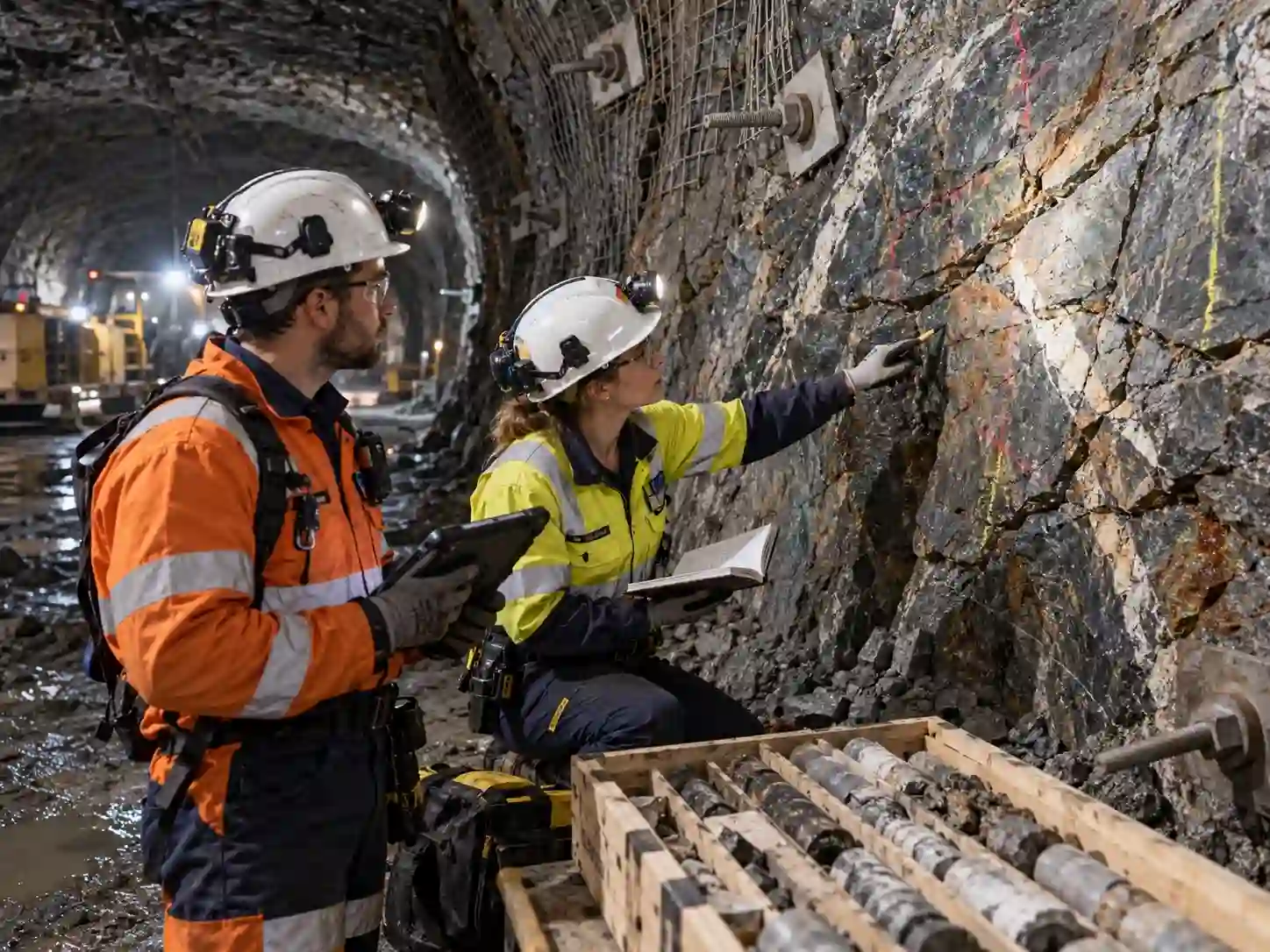
Technology for mining is not evolving in one single direction. For underground operations, the most useful mining technology improvements make cutting, drilling, ground support, and component replacement more consistent. For mine owners and mining contractors the biggest issue with new technology is not purchasing the latest piece of equipment but rather developing a support and excavation system that suits the local geology, the specific machine being used and can be adequately maintained.
Hebei Wanfeng Machinery Manufacturing Co., Ltd. supplies mining support products and related wear components for underground mining, tunneling, and civil engineering. Its product range provides a practical view of the technology trends that matter at the working face: integrated systems, better material control, application-specific design, and more complete quality documentation.
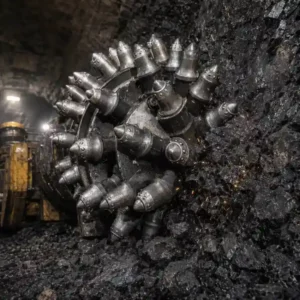
Trend 1: Mining Equipment Is Being Specified as a System
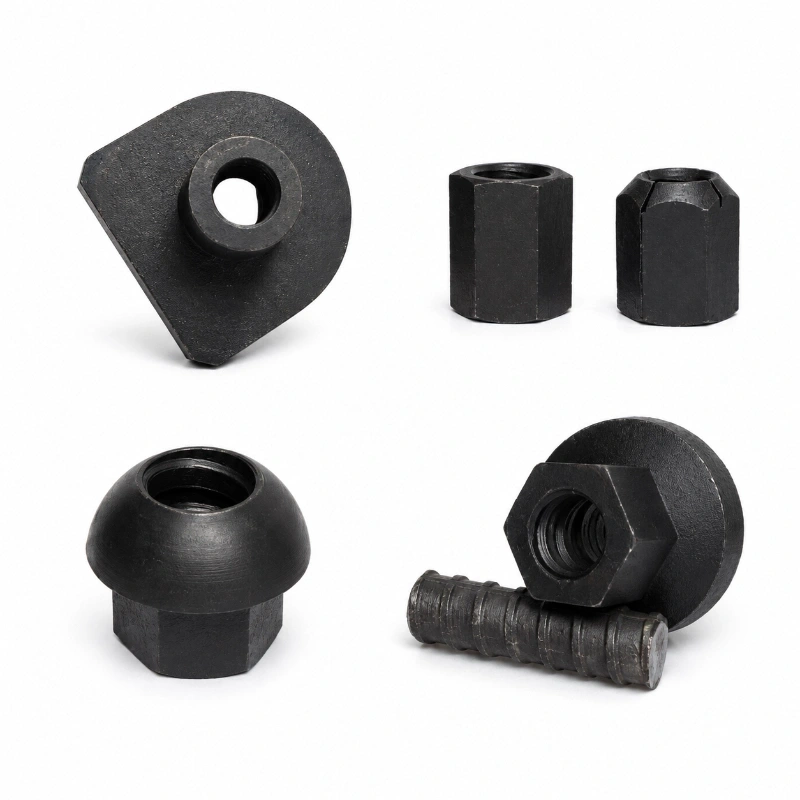
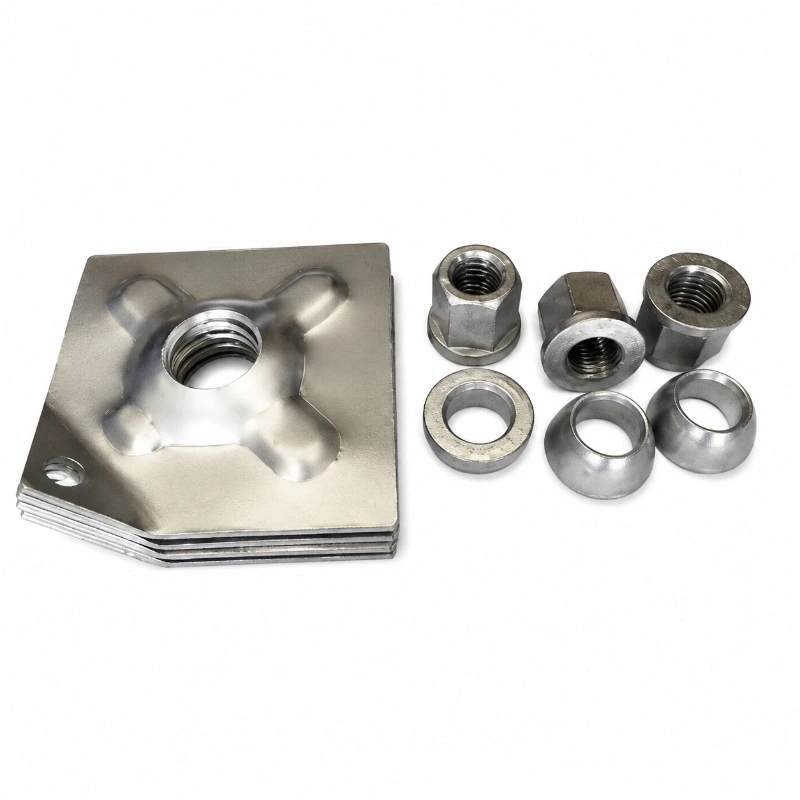
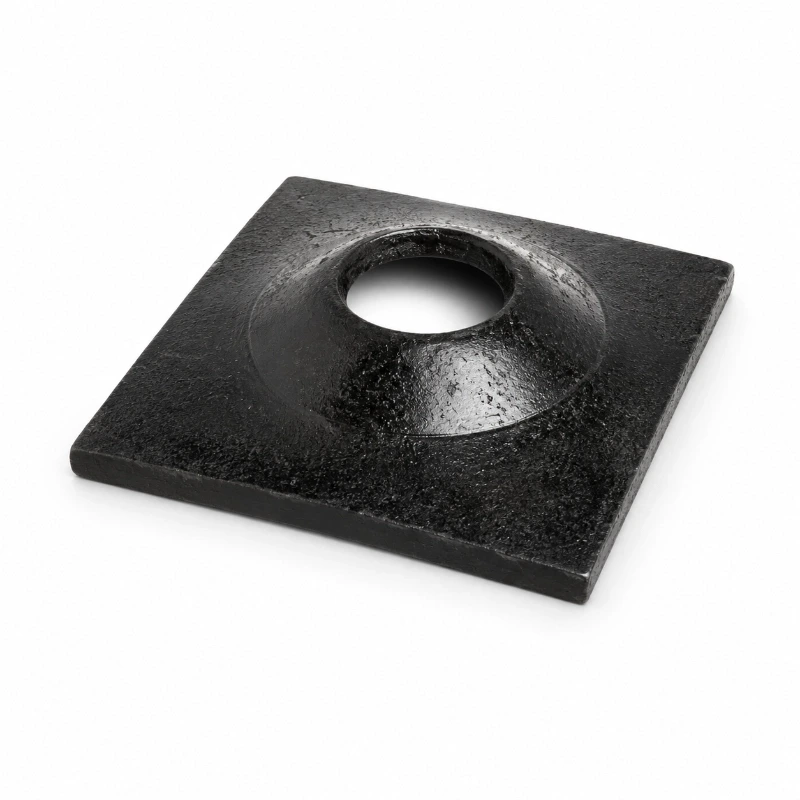
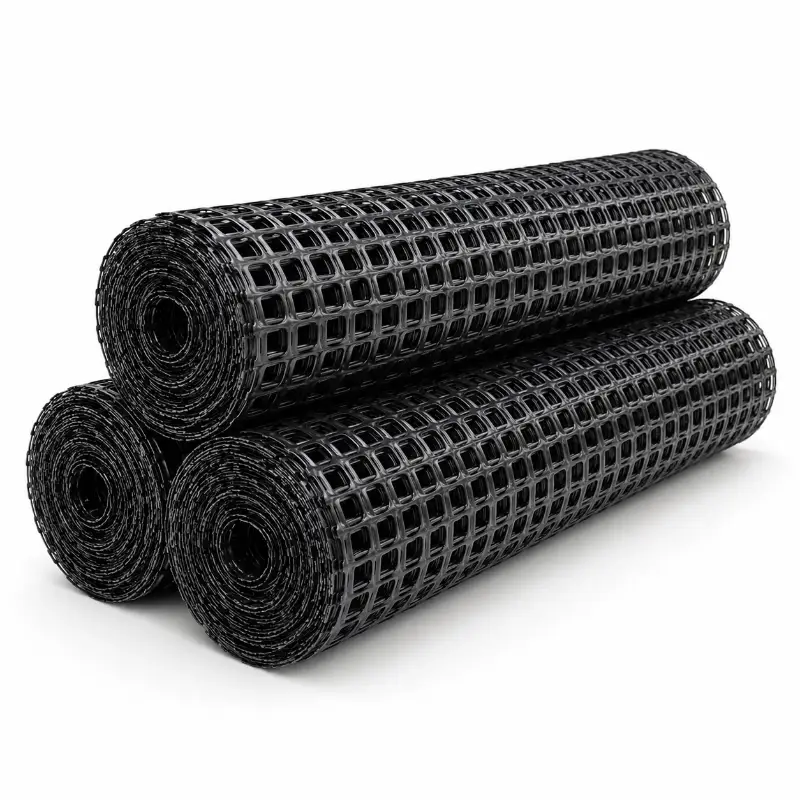
A single component rarely determines the outcome of an underground job. Drilling or support points are typically made up of individual components such as drill bits, adapters, anchor bars, couplers, nuts, bearing plates, grout, mesh and steel supports. These components can be easily selected individually and appear to be suitable, but can be delayed by thread mismatches, incorrect dimensions and late delivery.
System-based specification is therefore becoming more important. Buyers increasingly provide drawings, machine models, ground conditions, load requirements, and accessory lists together. The result is easier matching between the main product and the parts that make it usable on site.
Trend 2: Material Performance Is Matched to the Working Condition
Mining products are exposed to different combinations of impact, abrasion, load, water, and handling. The same material or hardness should not be assumed to suit every application. Mining cutting pick, for example, may use 42CrMo, 35CrMnSi, or Si-Mn-Mo alloy steel, with heat treatment selected for the required hardness and impact toughness.
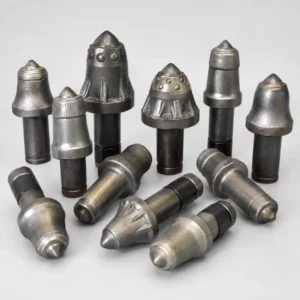
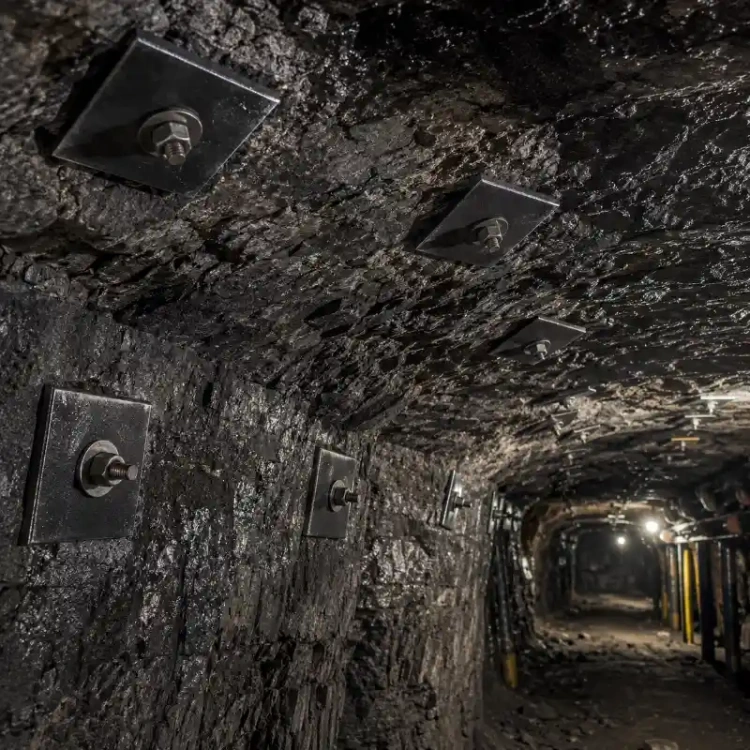
The same principle applies to ground-support products. Self-drilling hollow anchor bars, rock bolts, mesh, and steel supports must be selected according to ground behavior, required load, installation method, and service environment. The trend is toward clearer performance requirements rather than generic product names.
Trend 3: Application-Specific and Custom Components Are More Common
Standard products remain useful, but mine and tunnel projects often contain equipment or ground conditions that do not fit one universal size. Customization can involve pick shape, shank diameter, carbide tip, anchor length, thread direction, coupler, plate dimensions, coating, or packaging.
A customized component is not simply a special shape. It should be connected to a documented machine model, drawing, or working condition. This allows the supplier to confirm what is being changed and what must remain compatible with the rest of the system.
Trend 4: Quality Control Covers More Than Final Appearance
Mining buyers need products that perform under load, not only parts that look correct after packing. Useful quality checks can include raw-material confirmation, dimensional inspection, thread inspection, hardness testing, tensile or yield testing when required, coating checks, and batch identification.
For wear products such as cutting picks, material and heat-treatment records help explain why two visually similar parts may have different performance. For anchors and support components, dimensions, load data, coating, and accessory fit can be equally important. Clear inspection requirements should be agreed before production begins.
Trend 5: Maintenance Information Is Part of the Product Decision
A component that is difficult to inspect, replace, or reorder can increase the real cost of a project. Buyers therefore need specifications that can be recorded and repeated: machine model, part dimensions, material, hardness, coating, packaging, and the conditions where the part was used.
This is especially important for consumables. A worn mining pick should be reviewed with its holder and cutting pattern. A rock bolt or anchor should be reviewed with its installation method and support design. Treating replacement data as part of the purchasing process makes future decisions more reliable.
What Do These Trends Mean for Mining Buyers?
Describe the Job Before Choosing the Product
Start with the machine, ground, load, length, quantity, and service environment. Product names are useful for finding a category, but they do not replace a specification.
Ask for the Complete Matching Set
If the main component needs an adapter, coupler, plate, nut, centralizer, grout, or holder, include those parts in the inquiry. A complete list makes compatibility easier to review.
Keep the Evidence with the Purchase Record
Drawings, material information, test requirements, coating requirements, and batch details help the site team compare performance and reorder the correct part later.
How Can Hebei Wanfeng Support These Requirements?
Wanfeng describes more than 10 years of manufacturing, research and development, and global supply experience. Its product coverage includes rock bolts, anchor systems, steel supports, wire mesh, reinforcement materials, mining drill bits, and mining cutting picks.
The company states that it can support product matching, OEM requirements, inspection documents, packing, shipping, installation guidance, and after-sales service for overseas orders. For a buyer managing several support or wear components, this can simplify communication and reduce the number of separate specifications that need to be coordinated.
How Can a Mine Evaluate a New Technology Trend?
Measure the Complete Work Cycle
Do not judge a component only by its catalogue price or a single penetration figure. Compare the time required to prepare, install, inspect, replace, grout, or reconnect the part. A product that reduces rework can be valuable even when its unit price is not the lowest.
Check Compatibility Before Trial Use
A trial should begin with the machine model, drawing, connection dimensions, load requirement, and ground condition. Confirm accessories and inspection requirements before the first delivery so that a failed trial does not simply reflect a mismatched component.
Record Results by Working Condition
Record where the part was used, what material it encountered, how long it remained in service, and what damage or wear was observed. Separate results by panel, heading, rock type, or support zone. This produces more useful evidence than a single average number.
What Does a Practical Technology Roadmap Look Like?
A practical roadmap can start with basic compatibility and documentation, then move toward coordinated systems and condition-based decisions. First standardize drawings, dimensions, materials, and inspection records. Next review whether the main component and accessories are being purchased as a set. Finally compare performance and maintenance data across working conditions. This staged approach lets a mine improve reliability without replacing every piece of equipment at once.
How Can Technology Improvements Be Introduced Without Disrupting Production?
Start with One Defined Work Area
Select one roadway, tunnel section, support zone, or equipment group where the current problem is clear. Define the baseline: installation time, replacement frequency, rework, material usage, or inspection findings. A limited trial makes the result easier to interpret.
Keep the Interfaces Stable
During a trial, change only the component or process being evaluated when possible. Keep the machine, connection, accessory, and operating procedure documented. If several variables change at once, the site may not know which change produced the result.
Convert the Result into a Repeatable Specification
When a trial performs well, record the final drawing, material, dimensions, inspection requirements, and approved supplier information. A technology improvement becomes useful only when the next order can reproduce the same working configuration.
Which Questions Should a Buyer Ask a Mining Equipment Supplier?
Ask what working conditions the product is intended for, which dimensions must match the machine, how material and heat treatment are controlled, what inspection records are available, which accessories are required, and how customized orders are identified. These questions turn a general technology claim into a checkable purchasing requirement.
The strongest technology decisions are therefore evidence-led. They connect the stated problem, the proposed product or process, the measurable result, and the specification needed to repeat it. This keeps a useful improvement from becoming a one-off trial that cannot be ordered or maintained later.
This approach also gives operations, engineering, purchasing, and quality teams a shared language for deciding whether a change should be adopted.
Conclusion
The most useful mining technology trends are practical: complete system matching, condition-based material selection, application-specific design, stronger quality documentation, and better replacement records. Buyers who describe the full working requirement can make these trends useful on the actual mine or tunnel project. If you are reviewing cutting tools or ground support products for a mine or tunnel project, contact Hebei Wanfeng with your machine model, drawings, ground conditions, and required quantities to discuss suitable products and matching components.
Perguntas frequentes
What is the most important mining technology trend for buyers?
The practical shift is toward matching complete systems to real working conditions. Equipment, consumables, support products, accessories, and quality documents need to work together.
Does customization always mean a better product?
Not automatically. Customization is useful when it solves a documented compatibility or performance requirement. The drawing, material, dimensions, and inspection criteria should be confirmed before production.
Why are material and heat treatment important?
They affect the balance between strength, hardness, toughness, and wear resistance. The correct balance depends on the load, abrasion, impact, and environment of the application.
 Relacionado




Serviço excelente sempre.