
-
 administrador
- 14th Outubro 2026
Mining Bearing Plate Types: Flat, Domed, and Butterfly Plates Compared
At first glance an order of roof bolts can look OK, but then someone asks for the corresponding bearing plate. There are several types of bearing plates that are used in mining support: flat, domed and butterfly type. Each of these types has different profiles and details of assembly. You must first establish which plate corresponds with the approved detail drawing, for which parts it is designed to work with, and what the required performance is before you can select a suitable size.
A plate distributes the force of a bolt head or nut over the surface that it is supporting. The profile of the plate is important, but the size of the outline does not necessarily give any indication of the contact area or the flexibility of the plate. Start with these three basic shapes and then see what the various specifications give you on site.
Flat Bearing Plates: A Simple Profile for Specified Support Assemblies
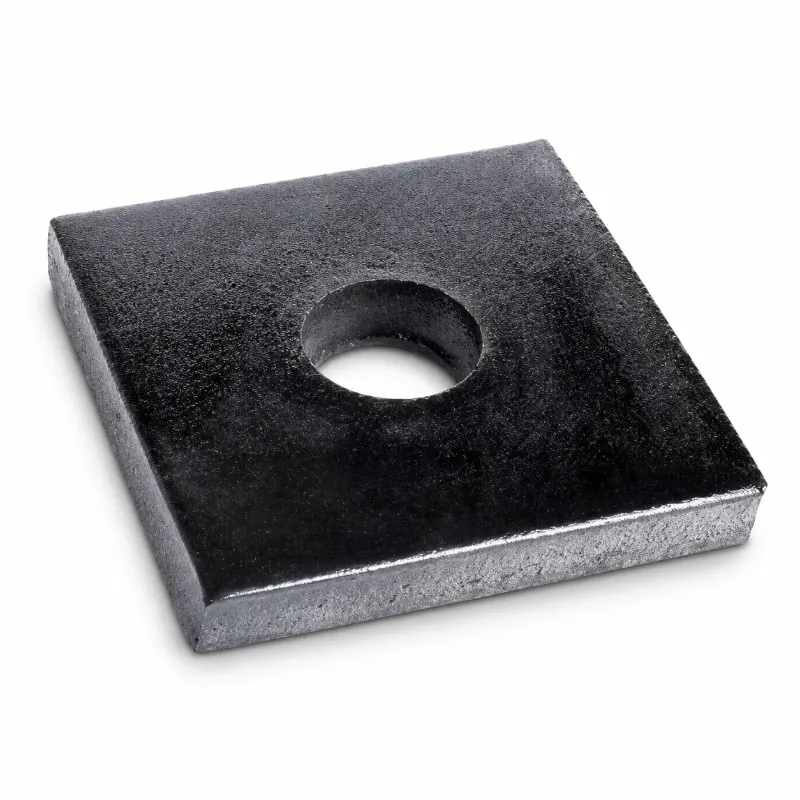
The simple flat plate is a good starting point when a flat bearing surface is required from a support drawing. Main purchasing parameters for flat plates are size, thickness, hole diameter and material.
How the Flat Profile Spreads Bolt Loads
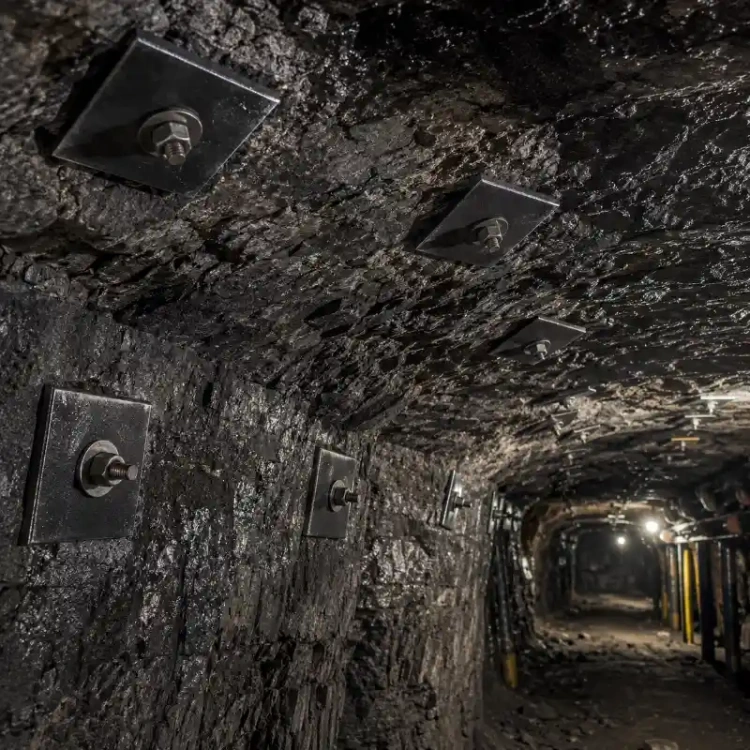
The bearing area of the plate around the bolt connection is greater than that provided by a nut and washer combination. This assists in distributing the force applied by the nut over a larger area of the connection to the rock or surface-support components and thus reduces local high pressure areas.
In addition to the above points, it is also necessary to check for suitable contact between the plate and surface. An uneven surface means that only part of the underside of the plate will be in contact, as shown. This needs to be checked against the proposed installation.
Flat Bearing Plate Options for Your Order
O Flat Bearing Plate is made from high-strength HSLA steel and is available in standard sizes 4×4″ up to 8×8″. The plate has hole diameters ranging from 1/2″ up to 2″ and is available in various thicknesses and grades of steel.
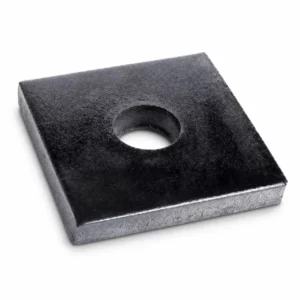
It might be worth specifying flat plates made to clear roof bolt or rock bolt specification from time to time. These can be made to any dimension, hole size, steel grade, formed and surface finished as required. Make sure that these are detailed on the purchase drawing so that subsequent batches can be made to match the existing assembly.
Domed Bearing Plates: A Formed Profile for Roof Bolt Support
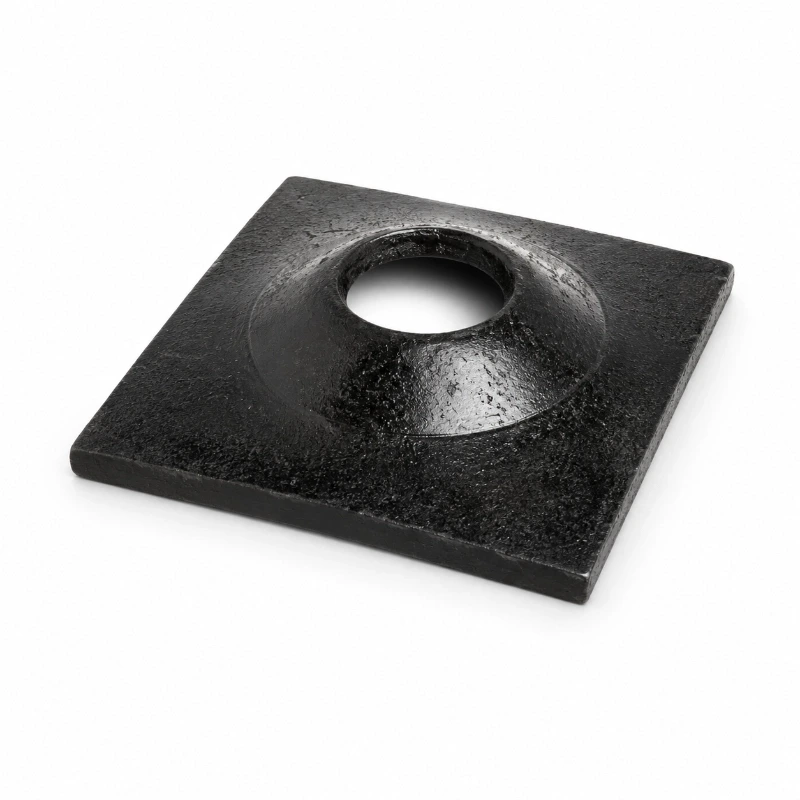
A domed plate has a profile above the center of the plate. When a part is required to be a domed shape, check the section of the part against the overall dimensions.
What the Domed Shape Adds to the Plate Design
Plate forming will affect how a steel plate behaves under load. The dome shape affects the bearing and deformation characteristics, whereas the steel quality and thickness are calculated into the same equation.
We would suggest asking for a section drawing of any part that you are considering as an alternative to one of our parts. You need to be able to see the full formed profile and see how the nut or washer seats against the part. A dome that looks similar may not behave in the same way.
Mining Domed Plate Washer for Roof Bolts
O Mining Domed Plate Washer for Roof Bolts is manufactured from HSLA 65 steel, used for mining roof support, rock anchoring and tunneling. Available in a number of thicknesses and grades and hole sizes ranging from 1/2″ to 2″ diameter.
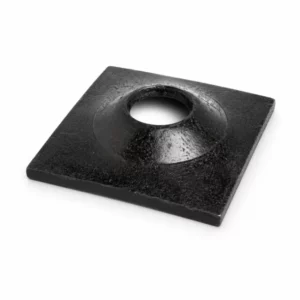
This option is for a specification for a Domed Roof Bolt Plate, with specific material and dimensions. We can customize hole size, thickness and even surface finish. If this is a replacement part please send us a profile of the existing part instead of just the outside dimensions.
Butterfly Anchor Plates: Matching the Formed Plate to the Bolt Assembly
Butterfly plates add another formed part to the comparison. This drawing helps to fix the meaning of the name.
Why Shape and Assembly Fit Matter Together
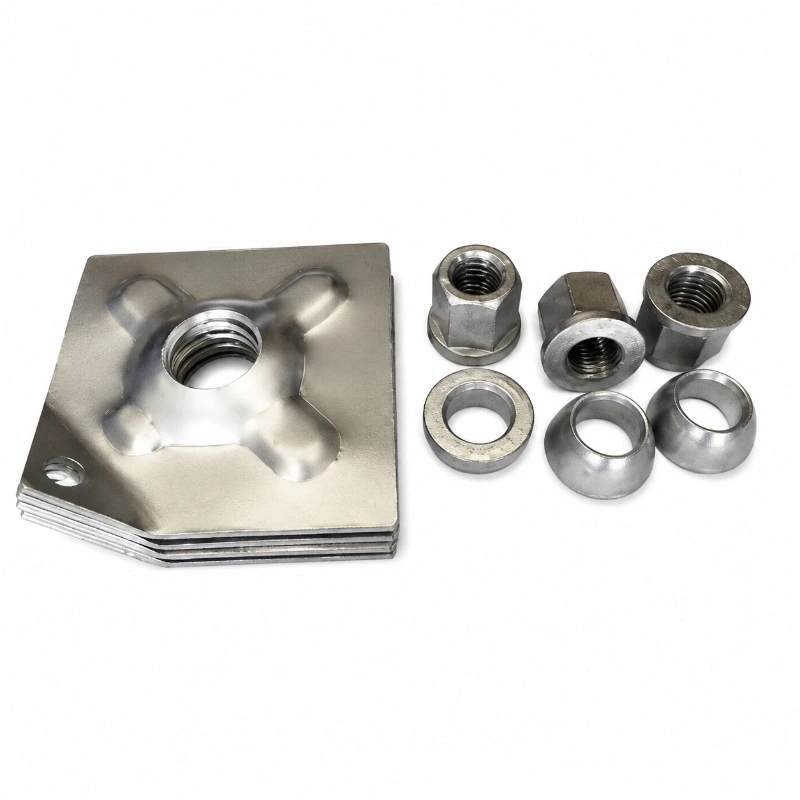
A butterfly anchor plate is used to anchor a bolt connection. The formed surface of the anchor plate has to interact with the fasteners as well as with the surface it is in contact with.
Check that center hole, plate thickness and profile are as required and confirm the installation arrangement. If the supplier suggests an alternative material or style check against the support specification and agree if acceptable.
Butterfly Anchor Plate for Rock Bolt Support
O Butterfly Anchor Plate for Rock Bolt Support is used for mine roof support, for tunnels and for other anchoring applications. This plate is available in cast iron as well as in high-strength steel and in various plate sizes and thicknesses.
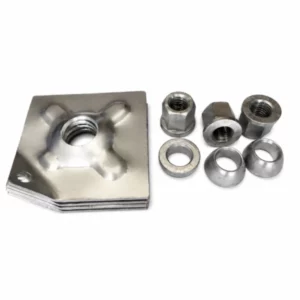
It’s always worth checking to see if your specified assembly requires a butterfly plate. These can be supplied to bespoke sizes and drilled to specified hole diameters and surface finished as required. Also ensure the quoted material is clearly specified – cast iron and steel products are often supplied as essentially identical named products.
Flat vs Domed vs Butterfly Plates: Comparing the Details That Matter
Compare the individual part drawings against the quotations without reference to appearance. Review same questions against each quotation.
Compare Profiles, Dimensions, and Mating Parts
| Item to Check | Flat Bearing Plate | Domed Plate | Butterfly Anchor Plate |
| Profile | Flat plate face | Raised central profile | Butterfly-shaped formed profile |
| Drawing details | Width, length, thickness, hole | Dimensions plus dome profile | Dimensions plus formed profile |
| Material confirmation | Specified HSLA steel grade | HSLA 65 and ordered grade | Cast iron or specified steel |
| Assembly check | Nut, washer, hole, seating | Nut or washer fit at the dome | Fastener fit and plate seating |
Use the drawing to check if a quotation meets your requirements. The product photo will indicate the product type but the hole sizes and full section details are rarely shown in the photo.
Check Test Conditions Before Comparing Load Figures
A load tested at a specific deflection is different from a bearing capacity number reported without reference to a specific test setup. Thus numbers for these various mining bearing plate types cannot be placed in a single column and ranked.
Ask for the test method, supported span or opening, test loading arrangement and acceptance limits. Make sure that the results for the sizes and thicknesses you are ordering are covered by the report. Results for other test configurations are not relevant to your purchase.
Before Ordering: Make Sure the Plate Fits the Support Specification
You should now have a preferred plate type and a drawing. It is worth while checking a few points before production to avoid having to send for a replacement shipment which could take some time to arrive.
Confirm Hole Size and Component Fit
Verify the hole in the plate against the bolt and verify the bearing surface of the nut or washer against the plate. Verify the dimensions and profile of the plate against the roof support configuration including any mesh or straps.
Send mating-part drawing as it becomes available. A sample may establish necessary dimensions but must be accompanied by relevant written material and performance requirements to ensure that supplier merely reproduces the correct shape and not an incorrect grade.
Agree on Manufacturing and Delivery Details
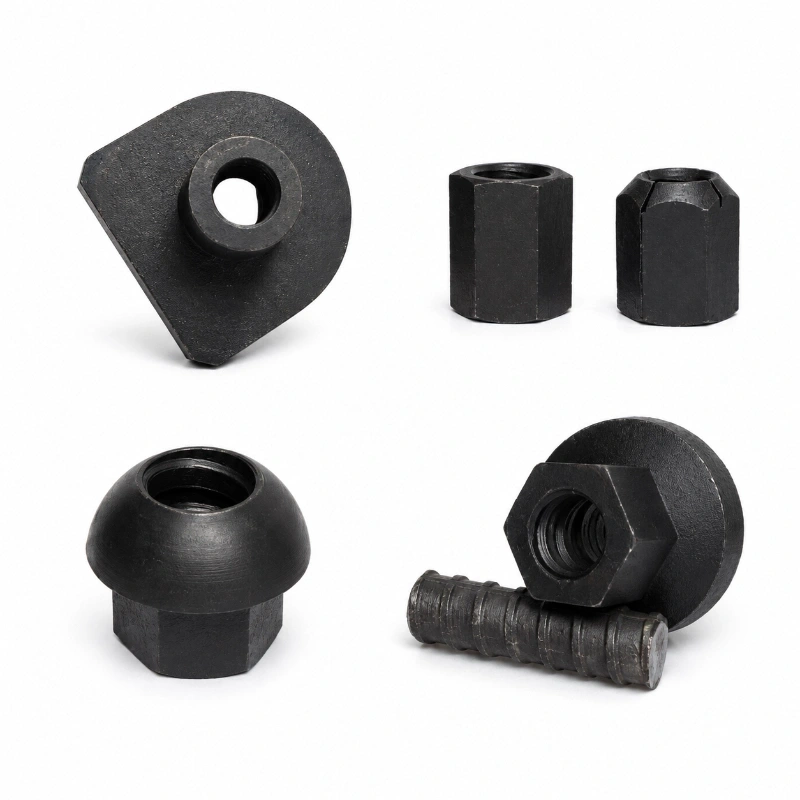
Hebei Wanfeng is a leading manufacturer of mining support products with over 10 years of experience. In addition to the three types of plates above, Hebei Wanfeng also manufactures mining bolts and anchoring products, mine mesh and other mining steel support products. Wanfeng’s manufacturing services allow discussion of custom dimensions, material verification, mechanical testing, batch inspection and export packaging as part of its standard manufacturing and project services.
Document the finish, inspection records, quantity and packaging for your plate order prior to production. Clearly state any coating requirements and required tolerances. Also clearly identify individual plate types within multi-plate shipments so that plates can be cross checked against order.
Conclusion: Choose the Plate That Matches the Complete Assembly
All of our footplates, such as flat plates, domed plates and butterfly plates, are available in various profiles to meet the respective support requirements and to match the individual parts.
Turn the Comparison into a Clear Purchase Specification
All selected profiles, dimensions, materials and inspection requirements should be kept together on the order. For specification check, special production or for export please contact our technical sales team with drawing, quantity and destination.
Perguntas frequentes
Some of the typical questions that surface when we move from comparing various plate types to actually preparing an inquiry for sourcing plates.
What Is the Main Difference Between Flat, Domed, and Butterfly Bearing Plates?
Profiles differ between flat plates, domed plates and butterfly plates. The material, dimensions and performance tested are also different.
Is a Domed Bearing Plate Always Stronger Than a Flat Plate?
Shape alone does not establish capacity. Compare actual material, thickness, dimensions and performance under identical test conditions.
Can You Replace One Bearing Plate Type With Another?
The proposed replacement must be checked against the approved assembly. Hole size, seating of fasteners, surface contact and the required performance must all still be suitable.
Can Mining Bearing Plates Be Customized?
Yes, for every type of plate possible we can customize dimensions, thickness, hole diameter, material, profile and surface finish. Drawings and written acceptance criteria would be required to achieve desired customizations.
What Should You Include in a Bearing Plate Inquiry?
Include the plate type, drawing, dimensions, thickness, hole diameter, material, finish, test requirements, quantity, and destination. Add mating-part details when fit needs confirmation.
 Relacionado




Serviço excelente sempre.