Ancrage anti-flottant pour barre d'acier filetée PSB500
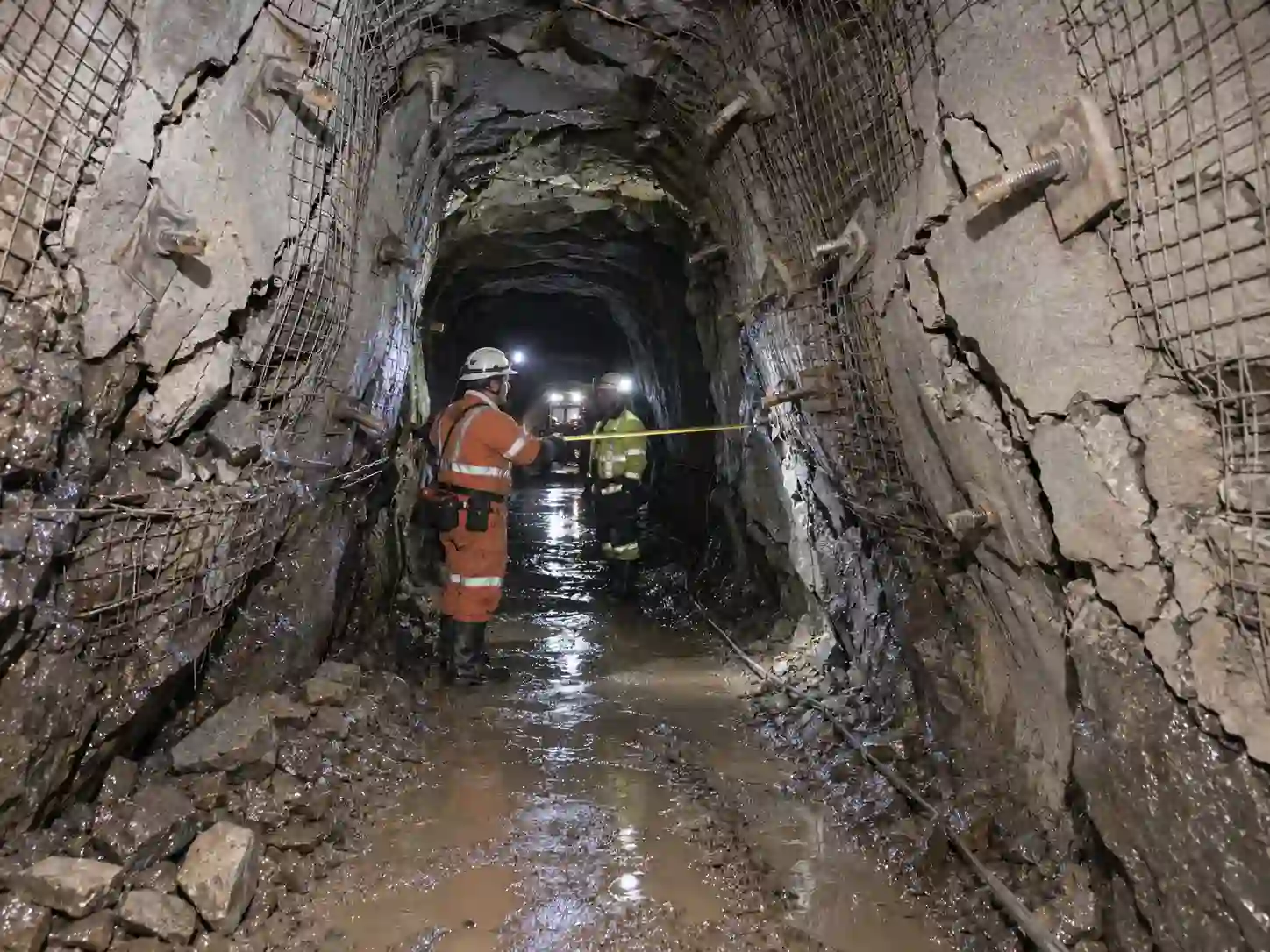
Application d'ancrage anti-flottant pour fondations PSB500
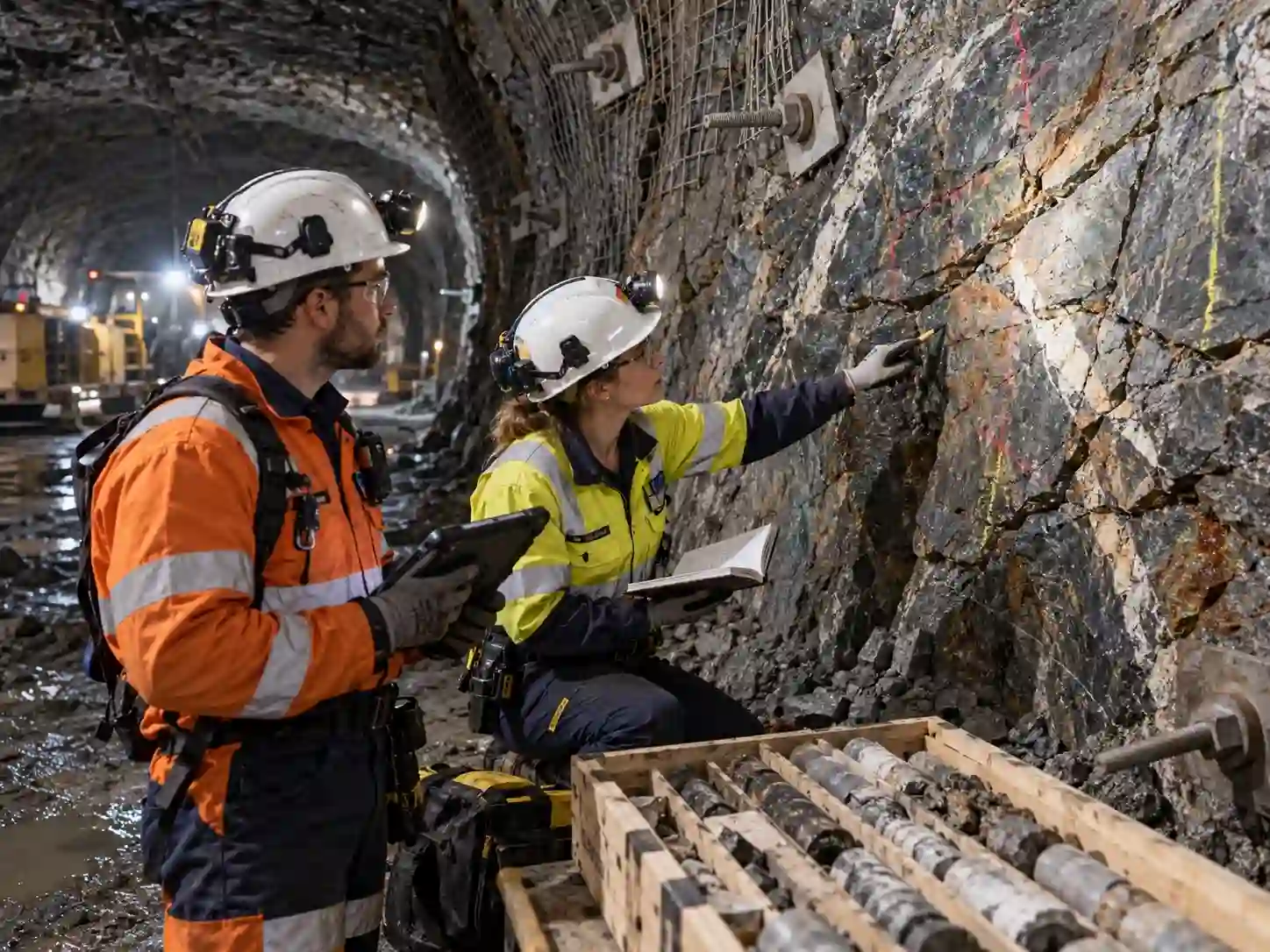
Ancrage de renforcement de talus pour centrale hydroélectrique PSB500
Ancrage anti-flottant pour barre d'acier filetée PSB500
Application d'ancrage anti-flottant pour fondations PSB500
Ancrage de renforcement de talus pour centrale hydroélectrique PSB500

Ancrage de barre en acier fileté laminé de précision anti-flottant PSB500

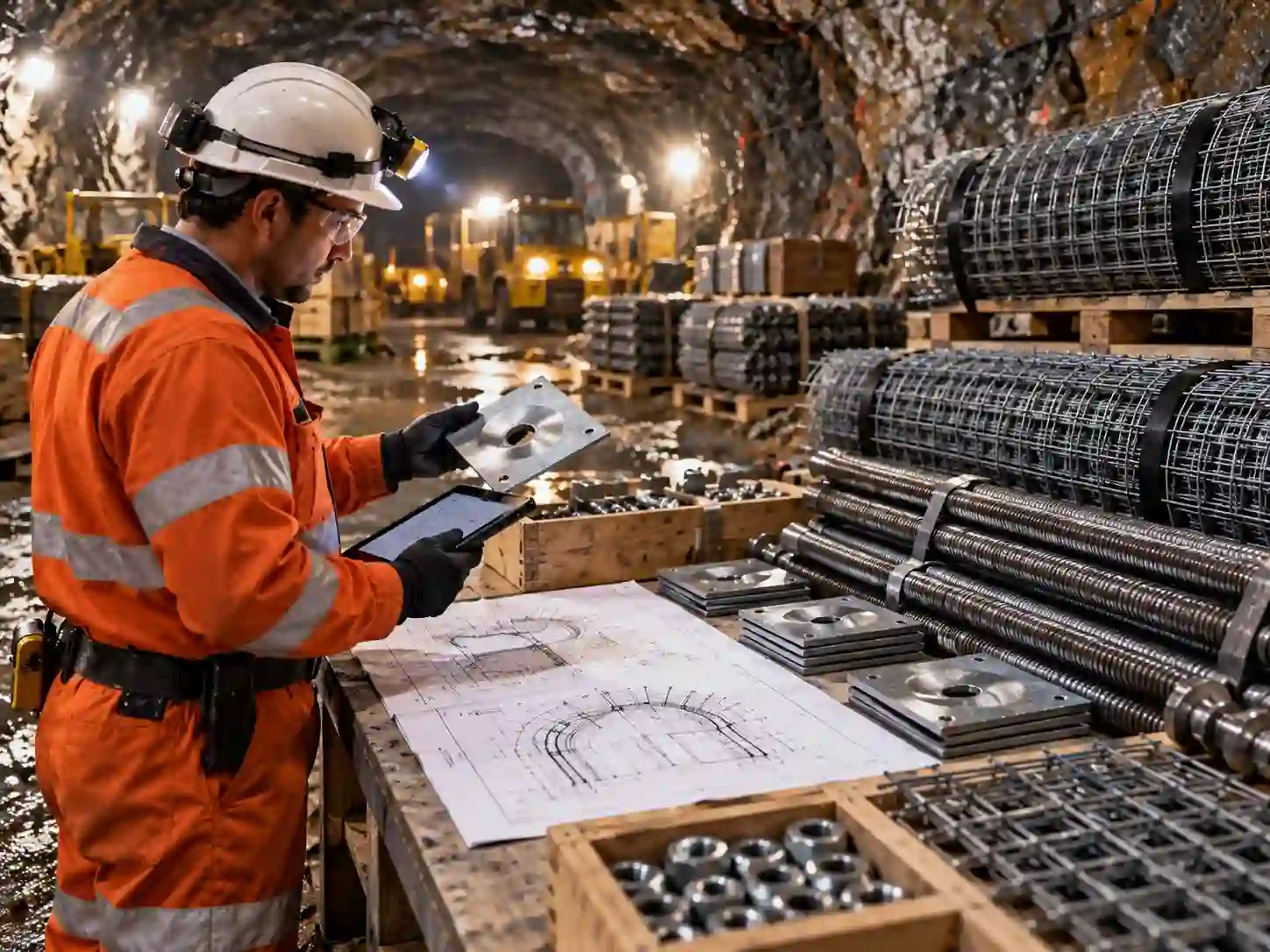
L'ancrage PSB500, une barre d'acier filetée laminée avec précision, est fabriqué en acier haute résistance et présente un filetage continu. Les ouvriers du bâtiment peuvent ainsi installer facilement des écrous, des barres, des plaques et des chevilles d'ancrage pour une connexion, une mise en tension et un ancrage rapides sur les chantiers.
Ce matériau présente une bonne résistance au flottement et d'excellentes propriétés de traction, ce qui améliore efficacement la sécurité et la stabilité des armatures de fondation. Différents traitements de surface, comme la galvanisation ou la galvanisation à chaud, peuvent être choisis en fonction des besoins du chantier. Ces traitements améliorent la résistance à la corrosion et permettent son utilisation dans des environnements humides, acides, alcalins et autres milieux corrosifs.
  • Excellente résistance à l'ancrage pour fondations anti-flottantes
  • Fournit une force de renforcement anti-flottante fiable
  • Bonnes performances en traction et stabilité d'ancrage
  • Le filetage roulé de précision permet une connexion rapide et pratique.
  • Traitement de surface résistant à la corrosion
  • structure légère
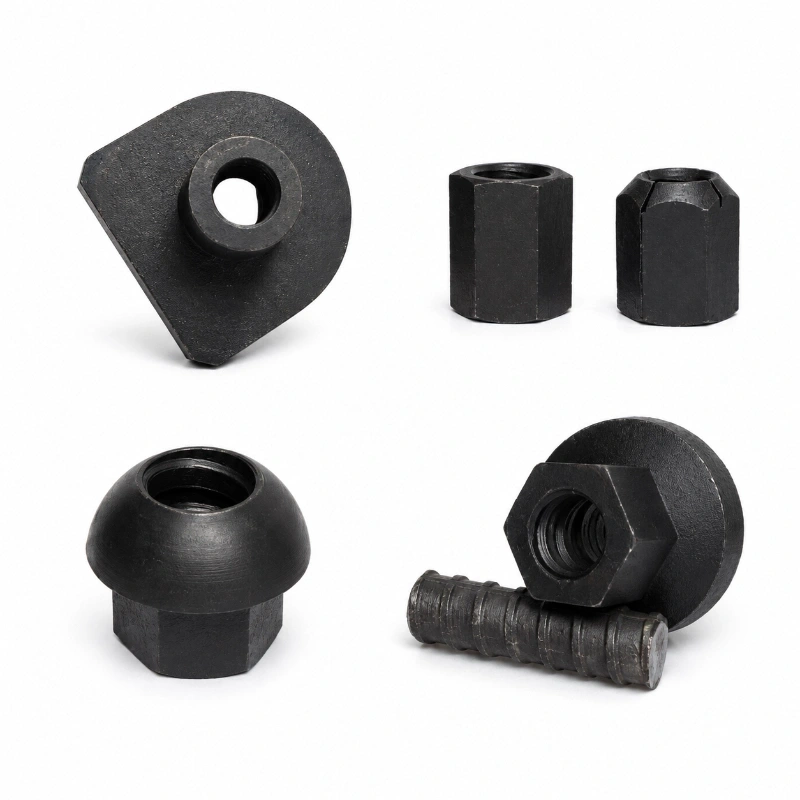
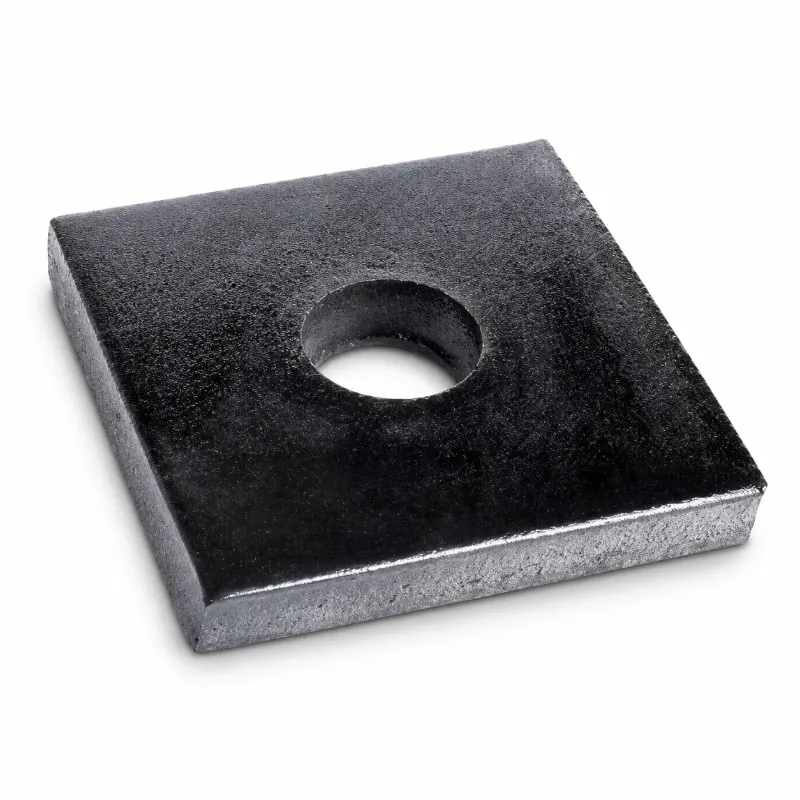
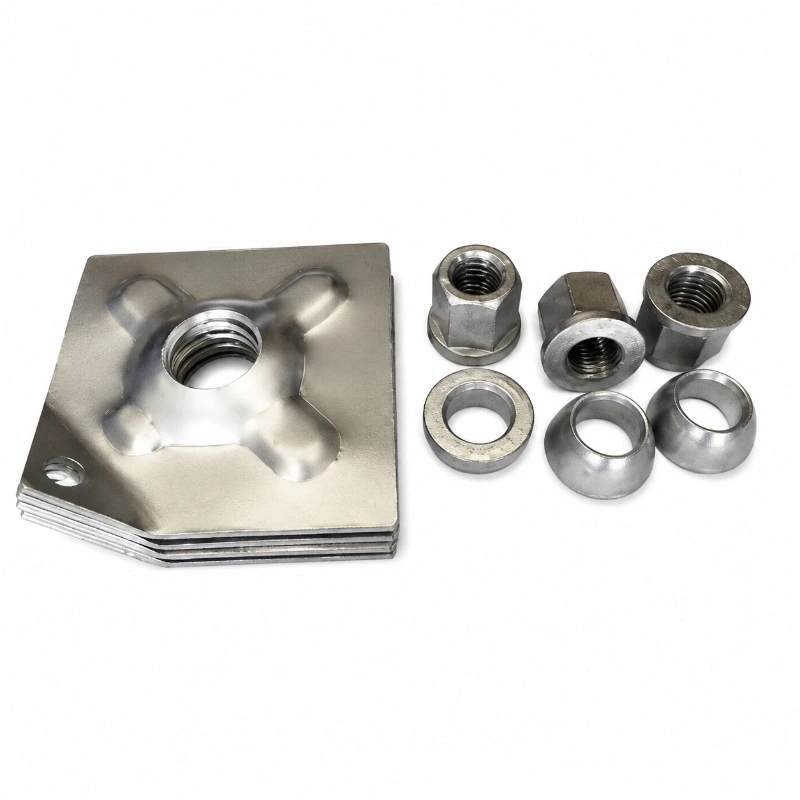
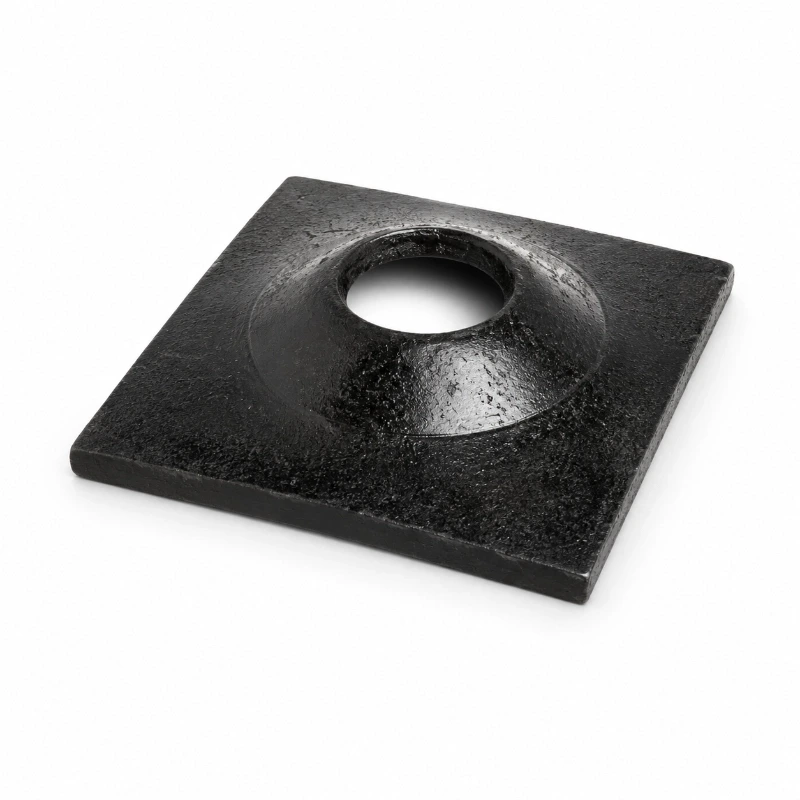
  • Compatible avec les écrous, les plaques, les coupleurs et autres accessoires
  • Différents diamètres et longueurs disponibles
Description du produit

1. Spécifications techniques


Article Spécification
Type de produit Ancrage anti-flottant en acier fileté laminé de précision
Grade PSB500
Force d'extension non proportionnelle spécifiée ≥785MPa
Résistance à la traction ≥980 MPa
Allongement après fracture ≥7%
Poids 2,47 kg/m
Diamètres courants 15 mm, 25 mm, 32 mm, 36 mm, 40 mm, 50 mm
Traitement de surface Noir, galvanisé, galvanisé à chaud disponible
Traitement Fil roulé de précision
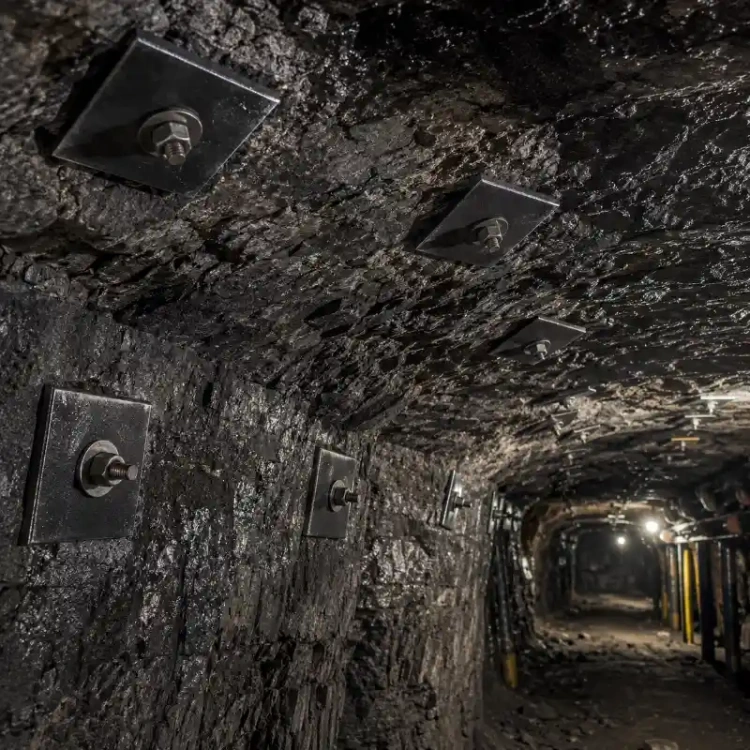
Application Protection des fondations, des ponts, des tunnels, des centrales hydroélectriques, des mines et des talus


2. Aire de la section nominale et poids théorique


Diamètre nominal Section nominale Coefficient de section effectif Section théorique Poids théorique
18 mm 254,5 mm² 0.95 267,9 mm² 2,11 kg/m
25 mm 490,0 mm² 0.94 522,2 mm² 4,10 kg/m
32 mm 804,2 mm² 0.95 846,5 mm² 6,65 kg/m
40 mm 1256,6 mm² 0.95 1322,7 mm² 10,34 kg/m
50 mm 1963,3 mm² 0.95 2660,8 mm² 16,28 kg/m


3. Applications 

  • Fondation anti-flottant
  • ancrage au sous-sol
  • Ancrage des structures souterraines
  • ingénierie de soutènement des fosses de fondation
  • Ancrage et renforcement des ponts
  • Soutènement des tunnels et ancrage rocheux
  • Projets hydroélectriques et ingénierie de conservation de l'eau
  • Ingénierie minière et protection des talus
  • Projets de murs de soutènement et de géo-ingénierie


4. Normes de qualité


5. FAQ


5.3 Quels sont les diamètres courants ?
Les diamètres courants comprennent : 15 mm, 25 mm, 32 mm, 36 mm, 40 mm et 50 mm. D'autres spécifications peuvent être personnalisées selon les besoins.

5.4 Les barres d'ancrage PSB500 peuvent-elles être galvanisées ?
Oui. 


Tige d'ancrage creuse 1
Tige d'ancrage creuse 2
icône Actualités connexes icône

Actualités connexes

Rock Bolt Bearing Plate Purchasing and Assembly Fit

Specify rock bolt bearing plates by verifying bolt and washer fit, hole dimensions, material and finish, load evidence, drawing revision, and assembly checks.
En savoir plus

Squeezing Ground Support Strategies for Weak Rock Masses

When using squeeze support techniques they differ from normal rock bolting practices due to the rock surrounding your excavation will most likely still deform after you have excavated. If you have a weak rock mass with enough stress applied to it. Tunnels and roadways can become subject to large amounts of convergence. Shotcrete cracks and failure of reinforcement can also occur. The excavation will begin to lose width and height.
Using larger or higher capacity rock bolts or stiffer lining's will not solve this problem.
Proper support needs to be designed to accommodate these rock masses and their ability to deform. Based on the situation you can use different types of support such as. Yielding reinforcement, steel supports that can deform. Shotcrete that can be engineered to yield and support being placed at different stages during excavation. As well as monitoring of the deformation.
You want to allow some movement but be able to keep the excavation safe and workable.
Below are some concepts and types of support used when dealing with squeeze and weak rock masses in underground applications.
En savoir plus

Using RMR and the Q-System to Select Ground Support

There are many rock mass classification systems used in underground excavations. Some of these systems can be used to give you a general idea on what supports may be required for your excavation. The RMR and Q-system will allow you to assess the rock mass around you and translate that into numbers and information. They can not provide you with a complete support design for your site however.
When working in underground environments you need to have an understanding on what supports may be used in an excavation. Rock bolts, cable bolts, wire mesh, shotcrete and support are all used to keep your excavation standing.
Using RMR you are given a number and information to go off of to help you design supports for your site. The Q-system will give you more information to go off of as it is made up of different categories and can provide support information for your excavation.
En savoir plus

Ground Support Design: Matching the System to Rock Mass Conditions

Design of ground support should always start from what rock mass you have in front of you. It should never be based on one rock bolts ability to support ground. There are many types of rock mass that will require different support systems. From competent jointed rock, very broken rock mass, squeezing ground and even rockburst ground.
When designing ground support you want to make sure your system can withstand what type of failure you may encounter. Shape of opening, stresses present at the site, ground water and time the support needs to last.
Classifying your rock mass with systems such as RMR, Q and GSI will allow you to determine how good your ground is. These classification systems should be used along side further analysis and checked at site.
Below we will go into detail about matching rock bolts, cable bolts, self drilling anchors, mesh and shotcrete to your ground conditions.
En savoir plus

Mining Bearing Plate Types: Flat, Domed, and Butterfly Plates Compared

Mining Bearing Plate Types: Flat, Domed, and Butterfly Plates Compared
En savoir plus

Galvanized vs Bare vs Epoxy-Coated Bolts: Choosing by Design Life

Corrosion protection for rock bolts needs to be taken into account when using them in an underground environment. There are many different factors to consider when deciding whether to use bare steel rock bolts, hot-dip galvanized rock bolts or epoxy coated rock bolts.
Design life, water table and corrosive environment. How will the anchor be installed? Will it be damaged during installation? What inspections will need to be performed. All these will play a role in determining the right corrosion protection to use on your rock bolt.
Bare steel rock bolts can be used on temporary excavations if corrosion is not expected and allowed by the engineer designing the project. Hot-dip galvanized rock bolts have zinc coating which can increase the life of your rock bolt in certain environments. Epoxy coated rock bolts are another option they just depend on what the coating will come into contact with and if there's any damage during install.
As long as you choose the correct corrosion protection for your design life your fine.
Below we will cover all three types of rock bolts and what to consider when buying rock bolts for underground applications.
En savoir plus
icône service icône
Service connexe
serviceslcon 1

Solutions complètes de soutien au sol

Nous offrons un soutien complet pour les applications de renforcement souterrain, couvrant : Systèmes de soutènement des toits et des parois des mines solutions de renforcement des tunnels Soutien technique à la stabilisation des pentes systèmes d'ancrage de fondation systèmes de sécurité structurelle souterrains De la planification initiale du projet à son application sur site, nous aidons nos clients à construire des environnements souterrains plus sûrs et plus stables.

serviceslcon 3

Fourniture de produits et intégration de systèmes

Wanfeng propose un système d'approvisionnement de produits entièrement intégré, permettant aux clients de s'approvisionner en matériaux de soutien au sol auprès d'un seul fournisseur : Systèmes de boulonnage (résine / PRV / fileté) boulons de câble et systèmes d'ancrage Arches en acier et systèmes de support en acier en I Treillis métallique et treillis d'armature Plaques, écrous, boulons et composants de fixation Matériaux d'ancrage à base de résine et de ciment Outils miniers et accessoires consommables Notre solution d'approvisionnement intégrée réduit la complexité des achats et améliore l'efficacité des projets.

serviceslcon 4

Services de fabrication et d'assurance qualité

Nous garantissons des performances stables et fiables de nos produits grâce à des systèmes de fabrication et de contrôle qualité rigoureux : Processus de production standardisés Inspection et contrôle des matières premières essais de performance mécanique Vérification de la résistance à la charge et à la traction Inspection de la cohérence des lots Contrôle qualité final avant expédition Chaque produit est conçu pour répondre aux exigences strictes en matière de sécurité souterraine.

serviceslcon 5

Services d'ingénierie personnalisée et OEM

Nous proposons également des solutions personnalisées pour différents projets miniers et d'ingénierie : Spécifications personnalisées des boulons d'ancrage Conception de support en acier non standard structures spéciales en treillis et en renfort Configuration produit basée sur un projet coopération OEM / marque privée Nous travaillons en étroite collaboration avec des partenaires internationaux pour développer des solutions sur mesure pour les environnements souterrains complexes.

serviceslcon 6

Soutien logistique et d'approvisionnement mondial

Forts d'une solide expérience à l'export, nous assurons une livraison mondiale efficace et un soutien optimal de la chaîne d'approvisionnement : normes internationales d'emballage pour l'exportation Optimisation du chargement des conteneurs Assistance à l'expédition multirégionale Planification rapide de la production pour les projets urgents Accords d'approvisionnement stables à long terme Nous assurons des livraisons fiables pour les projets miniers dans différents pays et régions.

serviceslcon 7

Assistance après-vente et à long terme

Nous accompagnons nos clients tout au long du cycle de vie de leurs projets : Support de documentation technique Assistance à l'installation Assistance au remplacement des produits continuité de l'approvisionnement à long terme Consultation en ingénierie pour l'expansion du projet Notre objectif est de construire des partenariats à long terme, et non de simples transactions ponctuelles.

icône Message icône

Contactez-nous

    Produits
    Contacts
    WhatsApp
    E-mail