

-
 Dynamic Ground Support for Rockburst-Prone Deep Mines
- 27th octobre 2026
Dynamic Ground Support for Rockburst-Prone Deep Mines
1. What Is Dynamic Ground Support in Mining?
When there is a possibility of dynamic ground conditions developing you need dynamic ground support.
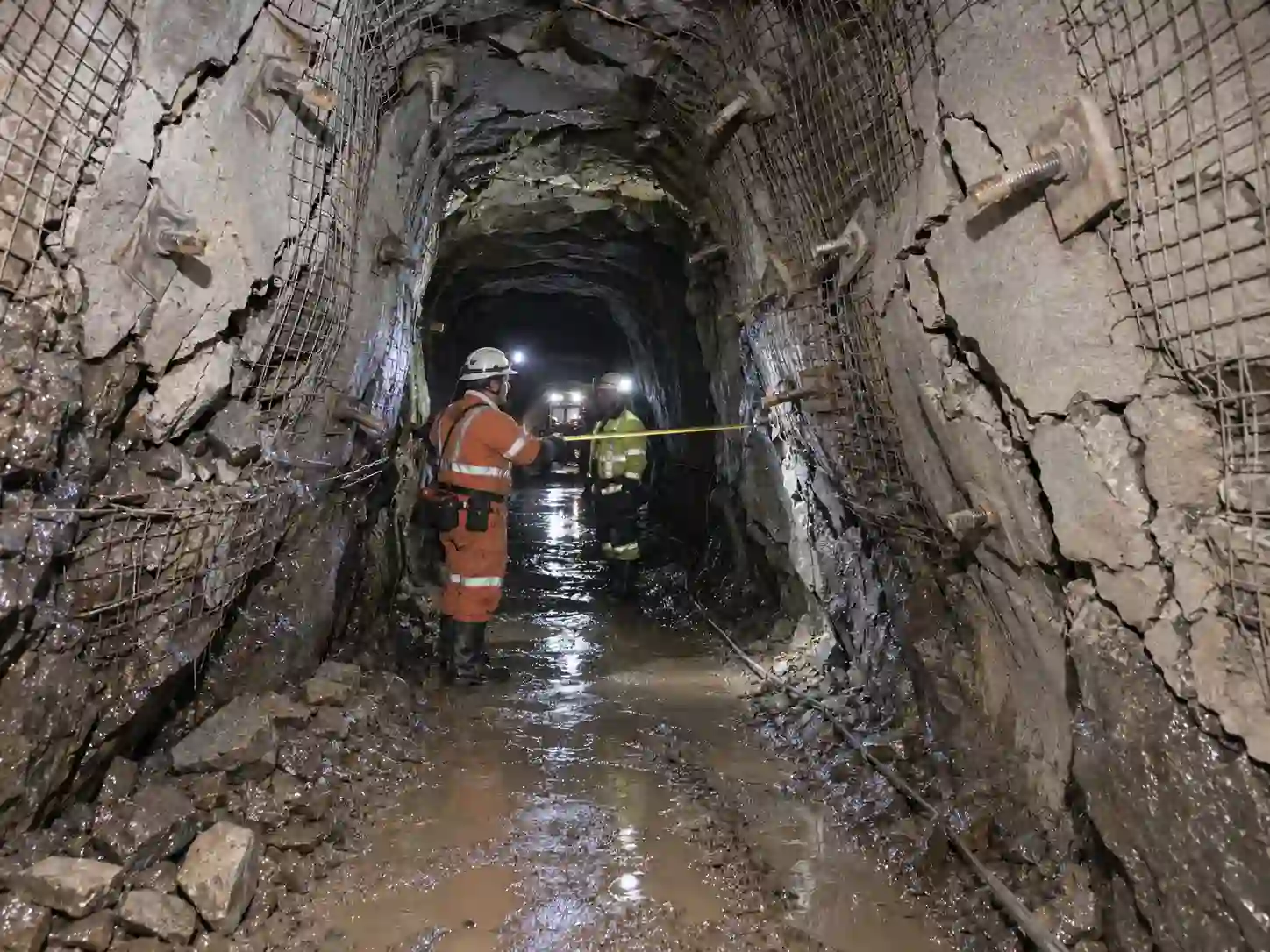
Ground support installed in deeper mining areas may experience dynamic loads due to seismic activity and/or stress relaxation around stopes.
These can result in;
- Rapid rock failure
- Ejection of rock into the mine opening
- Failure of standard rock bolt support
- Damage to mesh and/or shotcrete
- Failure of bearing plates and connectors
- Loss of localised ground control.
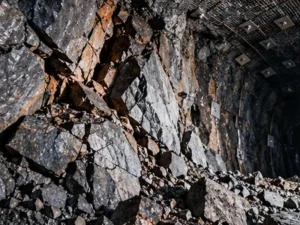
The objective of dynamic ground support is to help limit the effects from these types of events. It should be able to hold back broken rock and provide support resistance through movement.
It will not prevent seismicity from occurring or rockbursting.
For broader support principles, read Ground Support Design: Matching the System to Rock Mass Conditions.
2. Why Static Rock Bolt Capacity Is Not Enough
Yield point and ultimate strength are what most people look at when specifying rock bolts.
Although these properties will be useful they are not everything that needs to be known about the products ability.
It’s possible that a support member could withstand large loads and fail due to excessive displacement.
What we should be looking at is:
Load
How much load your support member/system is able to withstand.
Displacement
How much displacement your support member/system can take while maintaining its function.
Energy absorption
Amount of energy your support member/system can absorb.
Energy absorption is related to the area under the load/displacement graph you measure.
[
E=\int F(x),dx
]
F = force
x = displacement
You can see how having force and displacement can give you different values.
There can be 2 rock bolts that have similar load ratings but absorb different amounts of energy.
When comparing energy absorption you need to know how it was achieved (testing method).
The Australian Centre for Geomechanics explains this further in their article Overview of Dynamic Testing of Ground Support.
3. Energy-Absorbing and Yielding Rock Bolts
Rock bolts that are designed to allow a certain amount of movement will also provide a load resistance.
Various systems will allow this to happen in different ways.
By allowing the steel to yield in a controlled manner, slip or some other form of energy dissipation device.
Engineers should consider
- Static strength
- Dynamic Load/deflection curve
- Energy absorbed
- Movement allowed before break
- Anchor pull out
- Load rate and how its tested
- Repeated tests and test conditions
- Use with plate & surface support
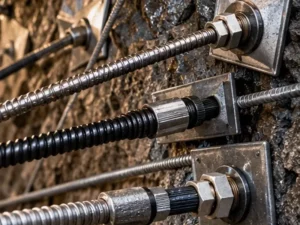
All deformable rock bolts are not dynamic and all strong rock bolts are not energy absorbing.
Do not sell a standard threaded bar as a rock burst product without test data.
Learn more about rock bolts that are used to reinforce rock mass here.
4. The Role of Cable Bolts in Deep Mining
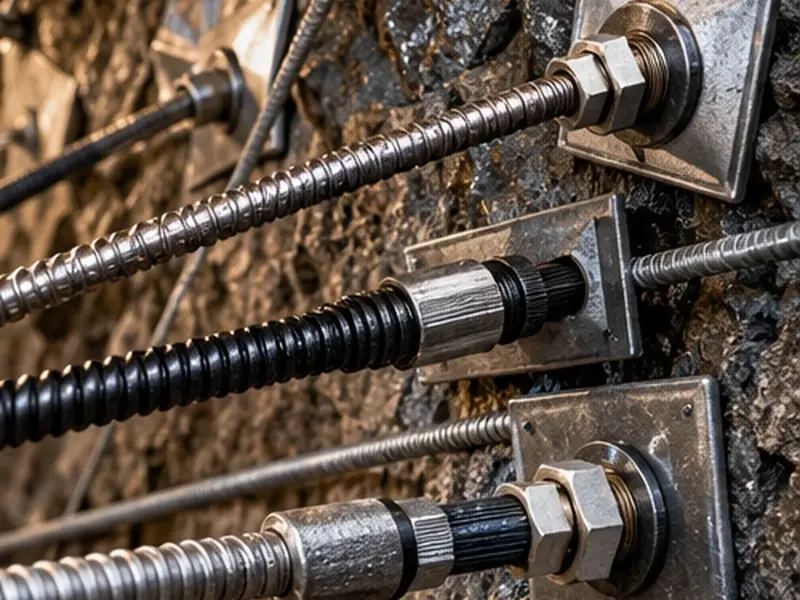
Cable bolts will be used when greater penetration into rock mass is required that cannot be practically achieved with conventional rock bolt lengths.
Deep mine levels cable bolts can be an option for.
- Big stopes
- Stope reinforcement
- Wide roadways
- Deeper areas of weakness
- Across major discontinuities
Conventional cable bolts do not necessarily work under dynamic situations.
Strand type, anchor, grouting and how it is loaded will determine if cable bolts will work in a dynamic environment.
The ability to work in a dynamic situation needs to be proven for each cable type.
They can be used with conventional rock bolts as well. Design will dictate this.
5. Why Surface Support Matters During Rockbursts
If loose broken material can pass through the anchor spacing or fail at the connection to the surface support then dynamic reinforcement will not work.
As a result surface retention needs to be included in a rock burst resistant support system.
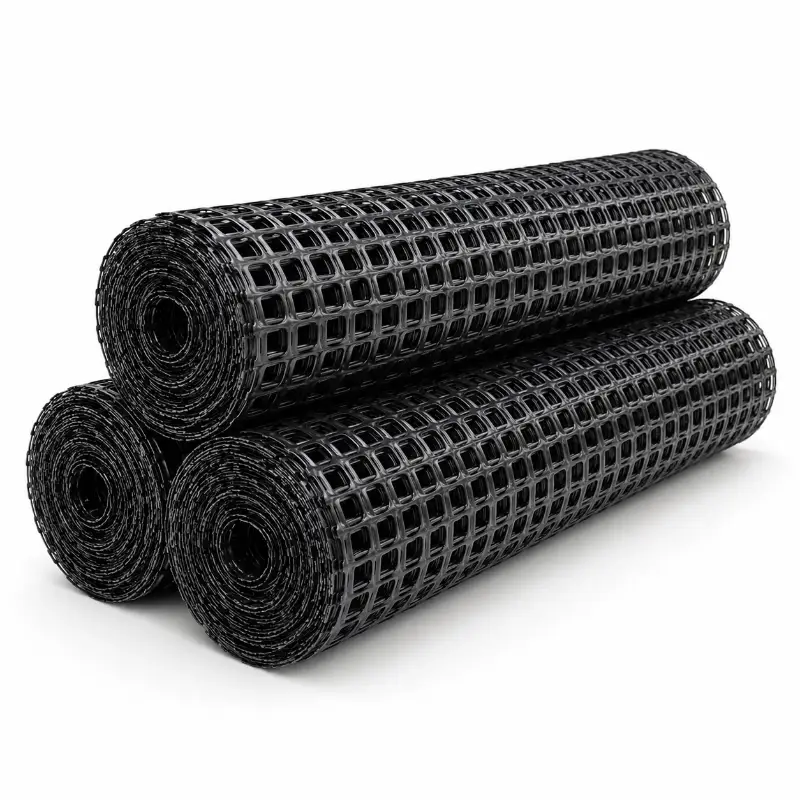
High Tensile Mining Mesh
Mesh can assist with retaining broken material and help transfer forces into the reinforcement.
Some applications may benefit from using a flexible high tensile mesh if movement is expected. This will depend on the product and test data.
It is important to remember that standard welded mesh and commercially available chain mesh is not automatically classed as being dynamic.
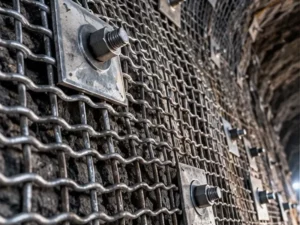
Steel Straps and Bearing Plates
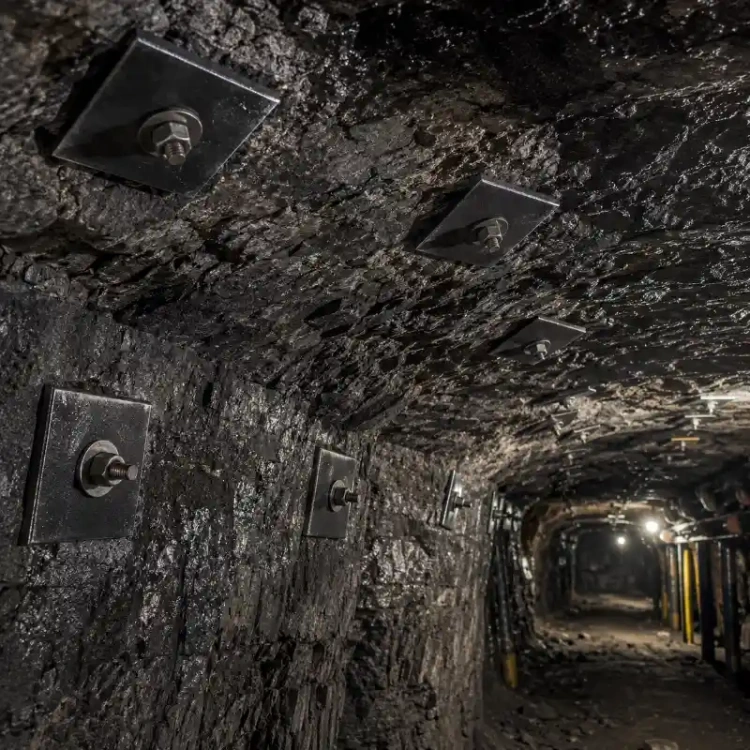
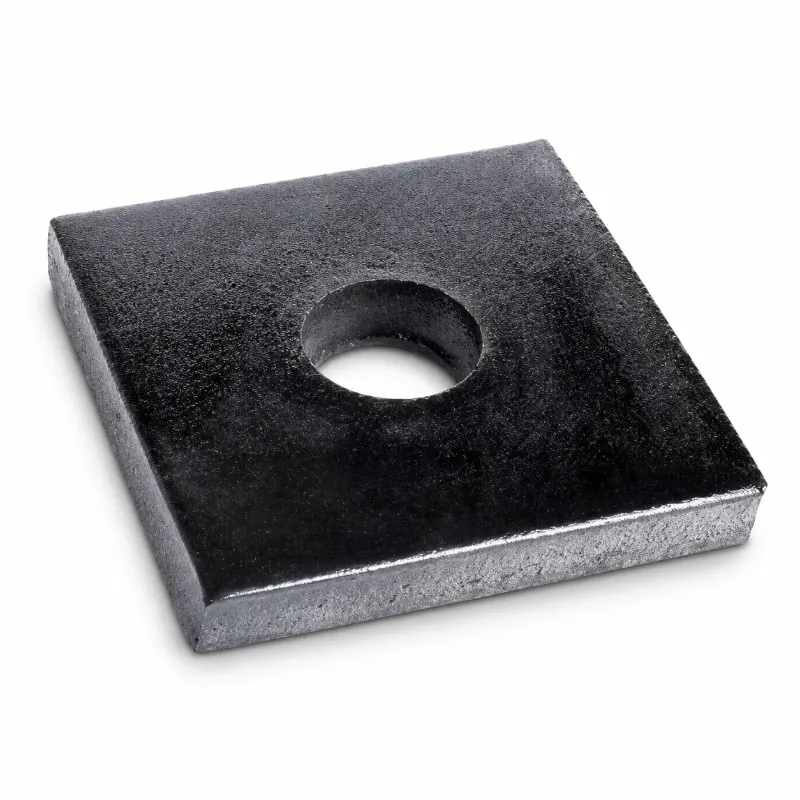
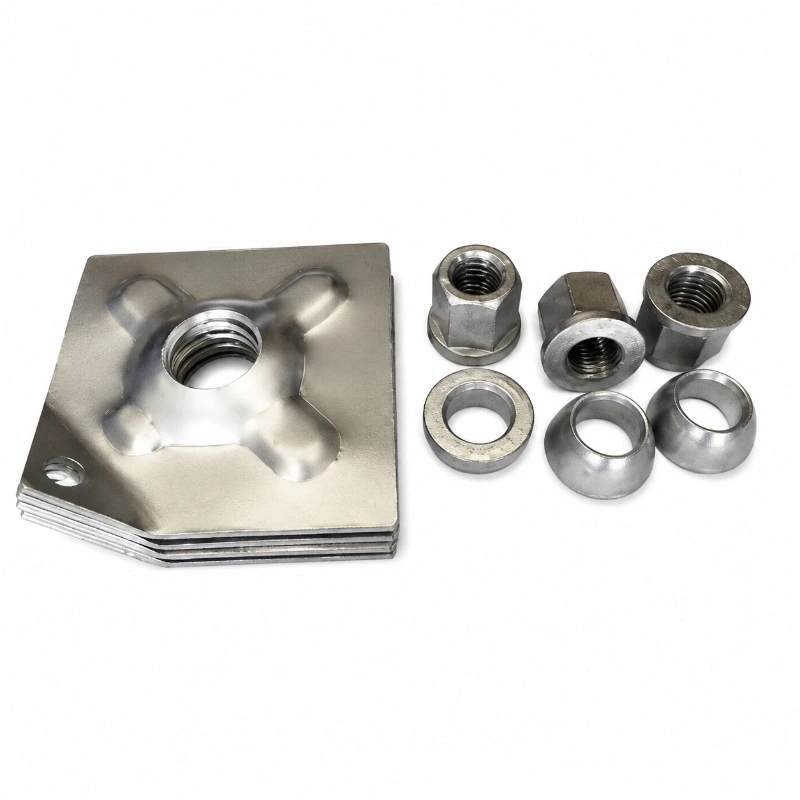
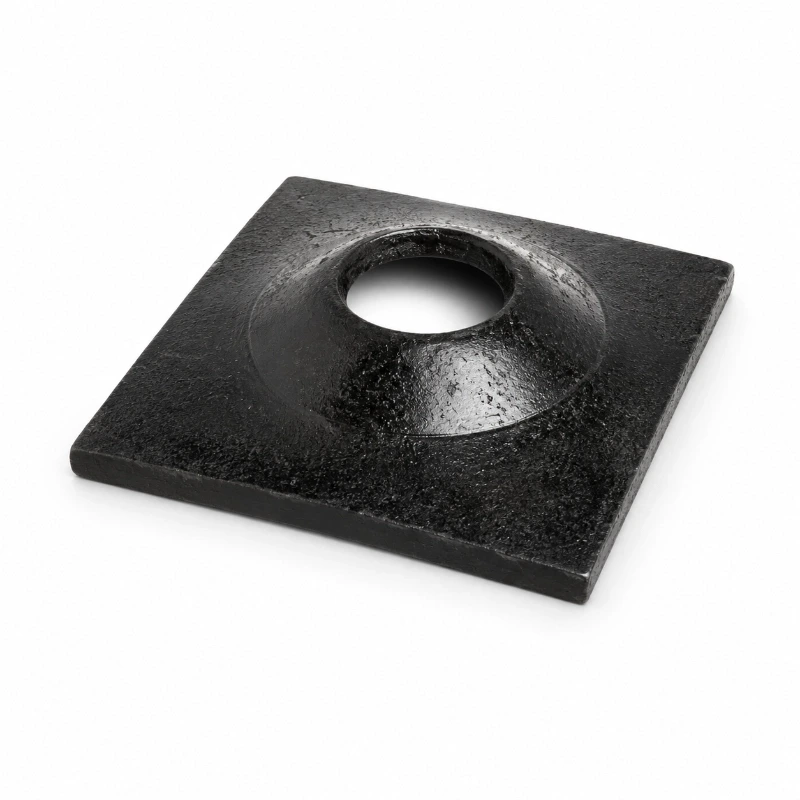
Surface support can be connected to the installed reinforcement with the use of bearing plates and steel straps.
The ability of these components to resist force and deform will play a role.
Fibre Reinforced Shotcrete
Can assist with providing additional surface retention and confinement.
Thickness of shotcrete placed, fibres, ductility after failure and bond strength to surface support are all factors.
Having a higher strength shotcrete does not mean you have increased displacement capability.
More information on ACG Dynamic Testing of Surface Support Systems can be found here.
View Surface Support and Reinforcement Materials for products that Wanfeng has to offer.
6. Designing an Integrated Dynamic Ground Support System
Dynamic ground support selection begins with the expected ground response.
An effective evaluation considers four connected functions.
| Support Function | Engineering Requirement | Components for Evaluation |
|---|---|---|
| Renforcement rocheux | Control internal rock movement | Rock bolts and cable bolts |
| Energy absorption | Resist loading while accommodating displacement | Tested yielding or energy-absorbing reinforcement |
| rétention de surface | Contain fractured or ejected rock | Engineered mesh, suitable shotcrete |
| Load transfer | Maintain connections throughout loading | Bearing plates, straps and compatible connectors |
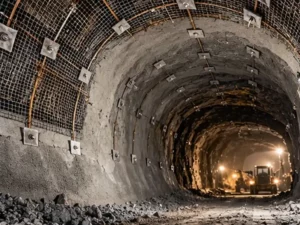
All elements of support need to work as a team.
If you have a high capacity yield bolt but can’t get your mesh, bearing plate and/or connection to fail with adequate displacement your surface support will still fail.
You also need to make sure you have enough anchor strength to support your mesh.
A dynamic ground support system should be chosen based on it’s overall load displacement behavior and modes of failure.
To learn more about support selection at the system level check out Mining Ground Support Systems Explained.
7. Dynamic Ground Support Testing and Verification
As there can be no guarantees on dynamic support from static tensile testing.
Lab Dynamic Testing
Using drop-weight and other forms of impact-testing can be beneficial when analysing how a reinforcement performs under known dynamic forces.
These tests will generally produce results of force, deflection, energy absorbed and how the specimen failed.
Surface Support Testing
Through large scale testing you can analyse bolt-mesh-plate-connections etc.
As mentioned above what is being tested can also play a role. If bolt spacings/mesh layout/connection methods are changed then behaviour can change.
In-Situ Dynamic Testing
Blasting and instrumenting supports has allowed researchers to gain knowledge about support installed in-situ under dynamic forces.
There is no one set up that can simulate all rockbursts.
Testing should be taken as a guideline and used with engineering calculations.
ACG Ground Support Systems Optimisation Project is currently researching into dynamic ground support design and testing (in-situ).
8. A Practical Dynamic Support Selection Workflow
The engineering process can be described as follows:
Step 1: Determine the Seismic/Rockburst Risk
Look at the geology, stresses, mining method, seismicity and mode of failure that may occur.
Step 2: Determine Dynamic Support Requirements
Determine the loads, displacements, rock ejections and uncertainties that could occur.
Step 3: Determine the system requirements
What load, displacement and energy requirements does your system need to meet? Also what do you need to retain on the surface.
Step 4: Look at compatible systems
Look at the performance data from reinforcement, mesh, shotcrete, plate and connection systems that can support each other.
Step 5: Check installation requirements
What are your drilling and anchor requirements? How will you ensure good quality installation?
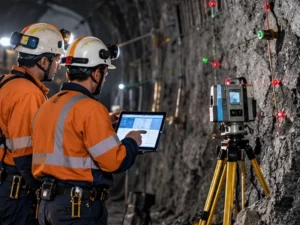
Step 6: Monitoring
Use seismicity, monitoring of excavations, ground movements and support performance to assess if your support design is adequate.
These support requirements can change as the mine develops and stresses change.
9. Common Mistakes in Rockburst Ground Support
Mistake 1: Choosing bolts based on their tensile strength.
Just because it has static capacity does not mean it will perform in regards to energy absorption or displacement.
Mistake 2: Normal mesh will protect against dynamic events.
The surface support chosen needs to be suited to what it will be asked to do.
Mistake 3: Not considering bearing plate and connection failures.
If there is no support at the surface then you can lose ground support.
Mistake 4: All cable bolts are rock burst capable.
Depends on the cable used and its anchor.
Mistake 5: Relying on bolt lab ratings without investigating.
How much energy was put into the bolt and what was the displacement. As well as how it was loaded and failed.
Mistake 6: Installing one pattern of support throughout your deep mine.
There can be seismic areas and non seismic areas in your mine.
10. Procurement Checklist for Dynamic Ground Support
Project procurement should be based on approved engineering requirements.
| Component | Information to Request |
|---|---|
| boulons d'ancrage | Diameter, length, steel grade, anchorage type, static and applicable dynamic test data |
| boulons de câble | Strand construction, length, anchorage method, mechanical and applicable dynamic performance |
| Mesh | Wire specification, aperture, connections, deformation and applicable impact-test evidence |
| plaques d'appui | Dimensions, material, load and deformation requirements |
| Sangles en acier | Profile, dimensions, mechanical properties and connection requirements |
| Shotcrete-related components | Approved material and system specifications |
| Quality documentation | Test reports, drawings, material certificates and inspection criteria |
Model testing should be used for energy absorbing bolts and dynamically rated mesh products from the supplier.
We provide ground support products for mining applications. Rock Bolt, Cable Anchor, Mesh, Straps, Plates and Accessories.
View More On Our Mine Roadway Support Products and Product Supply & Systems Integration.
11. FAQ
Q1: What is dynamic ground support?
Ground support that is able to withstand quick loading and displacements that may occur when rockbursts happen underground.
Q2: How does a rock bolt become energy absorbing?
When it can dissipate energy when loaded and have a known load displacement behaviour.
Q3: Should we use stronger rock bolts in areas prone to rockbursts?
Stronger rock bolts may not be dynamic suitable. It all depends on how much load they can take, displacement they can absorb and energy that they can absorb as well as their ability to stay anchored and the support system they are installed with.
Q4: Can we use cable bolts in mines that experience rockbursts?
Yes as long as the cable bolt system can meet the criteria. Don’t assume that all cable bolts will act dynamically.
Q5: Will high tensile mesh be enough to protect against rockbursts?
Again this depends on what it’s installed with and its ability to withstand the load that may occur.
Q6: How can you test if your ground support is dynamic?
By conducting impact tests, surface support tests on a larger scale or simulating rockburst conditions on site.
Q7: Can we stop rockbursts from happening by using dynamic ground support?
No there are many factors that go into rockburst risk management. Ground support only plays one role.
12. Conclusion: Design for Dynamic Demand, Not Static Strength Alone
There are certain applications where ground support will need to react quickly to ground movement. Deep level mines are an example of this.
Energy absorbing reinforcement, appropriate surface control, anchor compatibility and quality assurance on installations all help ensure system efficiency.
When designing for dynamic ground conditions it is best to select a system that has proven ability to meet load/displacement demands.
Ground Support Components for Project Specific Applications
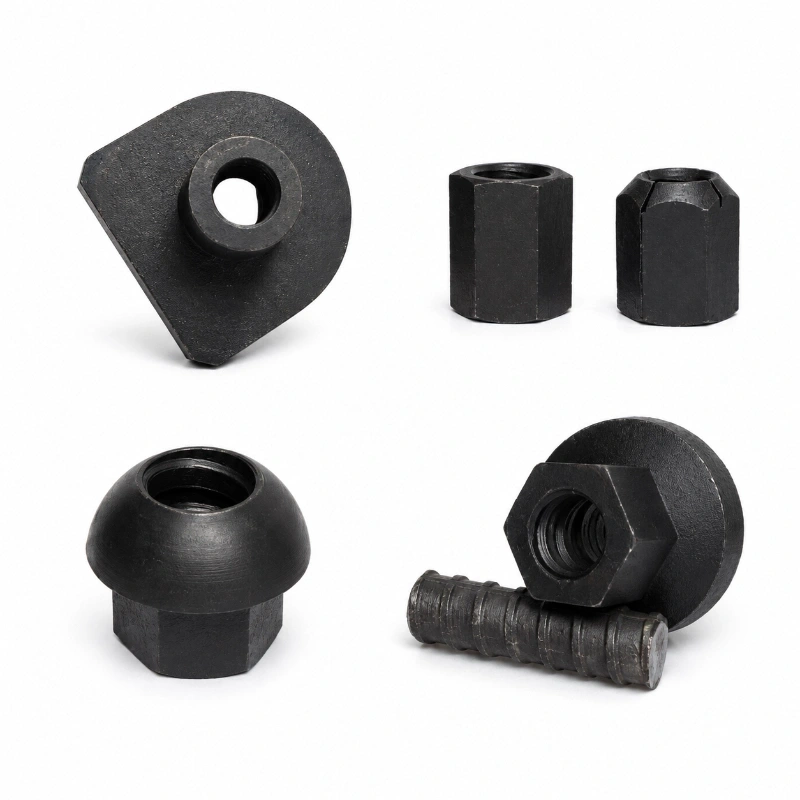
Rock bolts, cables, mesh, strap, bearing plate, nut and coupler’s available from Wanfeng.
Hebei Wanfeng Machinery Manufacturing Co. Ltd can provide these products for your specific project requirements. We are able to manufacture and procure products to your approved drawings and specifications.
Request a Quote for Ground Support Components
Please supply us with your reinforcement drawings and specification. Required proof of mechanical/dynamic performance and standard to be met. Qty required and shipping information.
Learn more about our Ground Support Products from Wanfeng.
 En rapport




Un service excellent à chaque fois.