
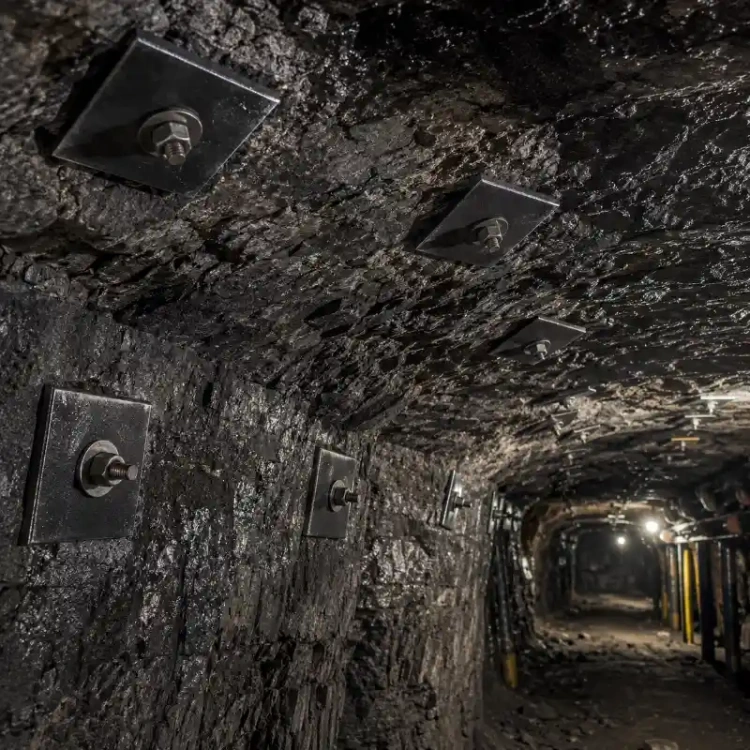
Specify rock bolt bearing plates by verifying bolt and washer fit, hole dimensions, material and finish, load evidence, drawing revision, and assembly checks.
Read More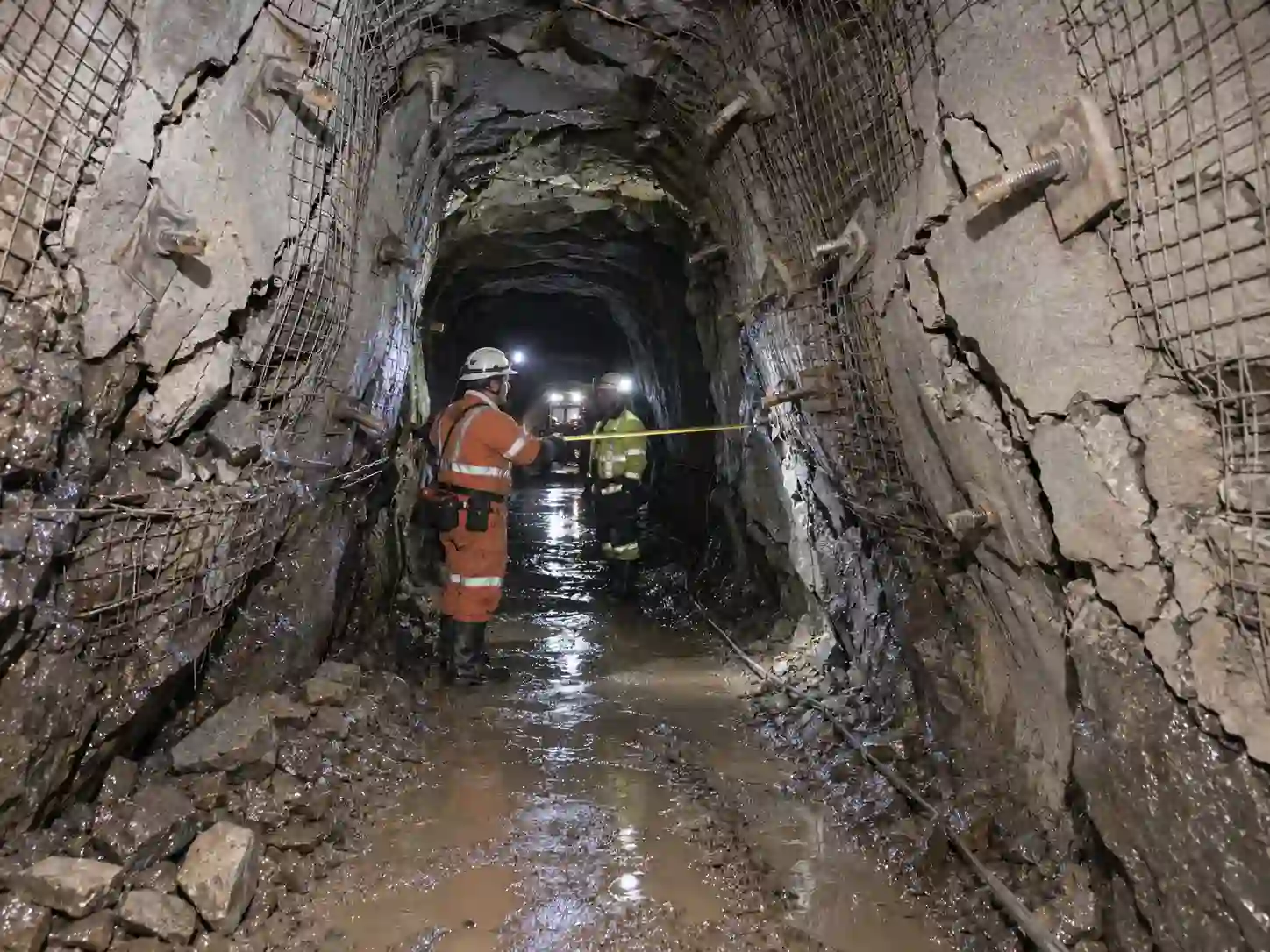
When using squeeze support techniques they differ from normal rock bolting practices due to the rock surrounding your excavation will most likely still deform after you have excavated. If you have a weak rock mass with enough stress applied to it. Tunnels and roadways can become subject to large amounts of convergence. Shotcrete cracks and failure of reinforcement can also occur. The excavation will begin to lose width and height.
Using larger or higher capacity rock bolts or stiffer lining's will not solve this problem.
Proper support needs to be designed to accommodate these rock masses and their ability to deform. Based on the situation you can use different types of support such as. Yielding reinforcement, steel supports that can deform. Shotcrete that can be engineered to yield and support being placed at different stages during excavation. As well as monitoring of the deformation.
You want to allow some movement but be able to keep the excavation safe and workable.
Below are some concepts and types of support used when dealing with squeeze and weak rock masses in underground applications.
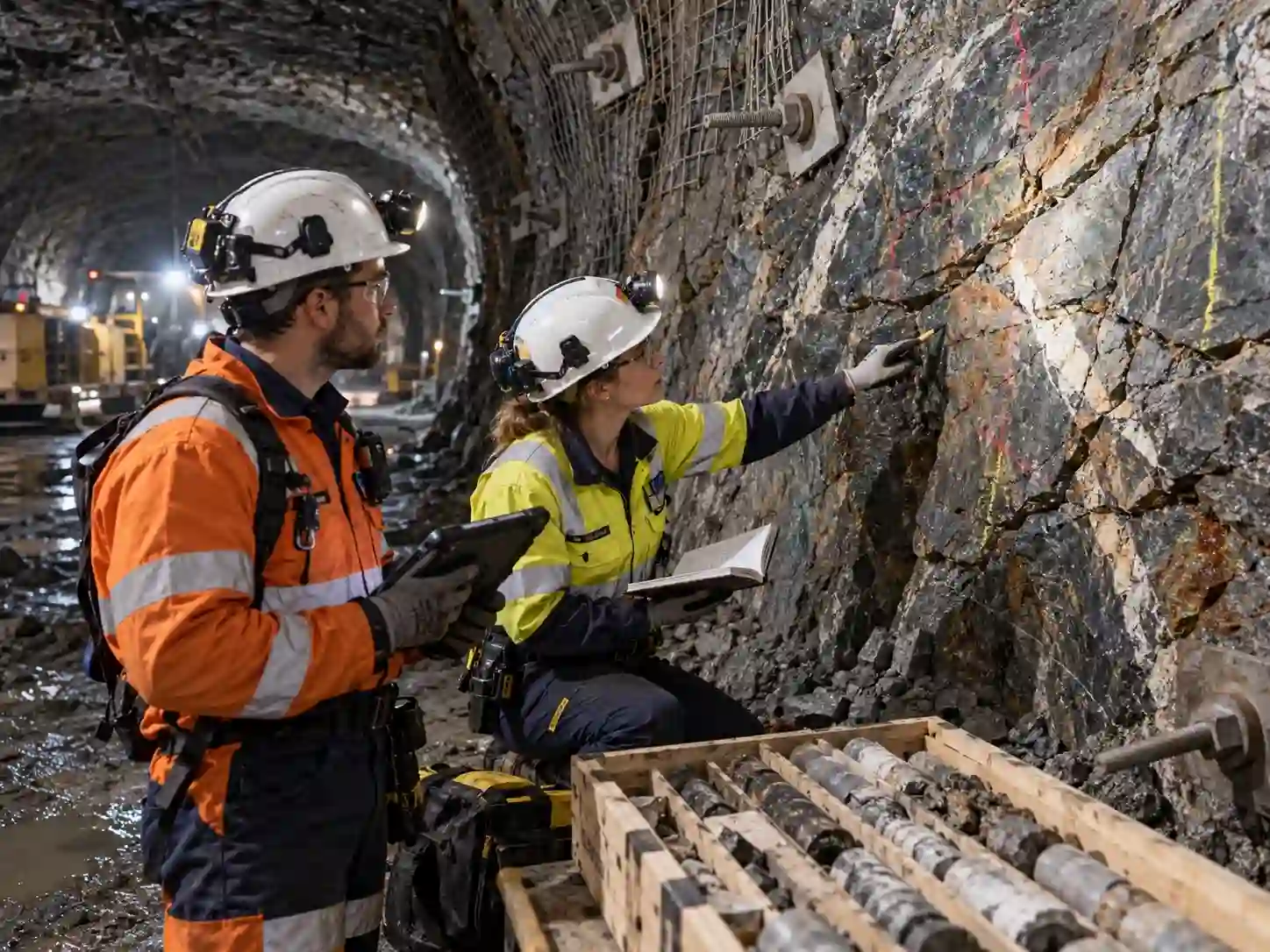
There are many rock mass classification systems used in underground excavations. Some of these systems can be used to give you a general idea on what supports may be required for your excavation. The RMR and Q-system will allow you to assess the rock mass around you and translate that into numbers and information. They can not provide you with a complete support design for your site however.
When working in underground environments you need to have an understanding on what supports may be used in an excavation. Rock bolts, cable bolts, wire mesh, shotcrete and support are all used to keep your excavation standing.
Using RMR you are given a number and information to go off of to help you design supports for your site. The Q-system will give you more information to go off of as it is made up of different categories and can provide support information for your excavation.
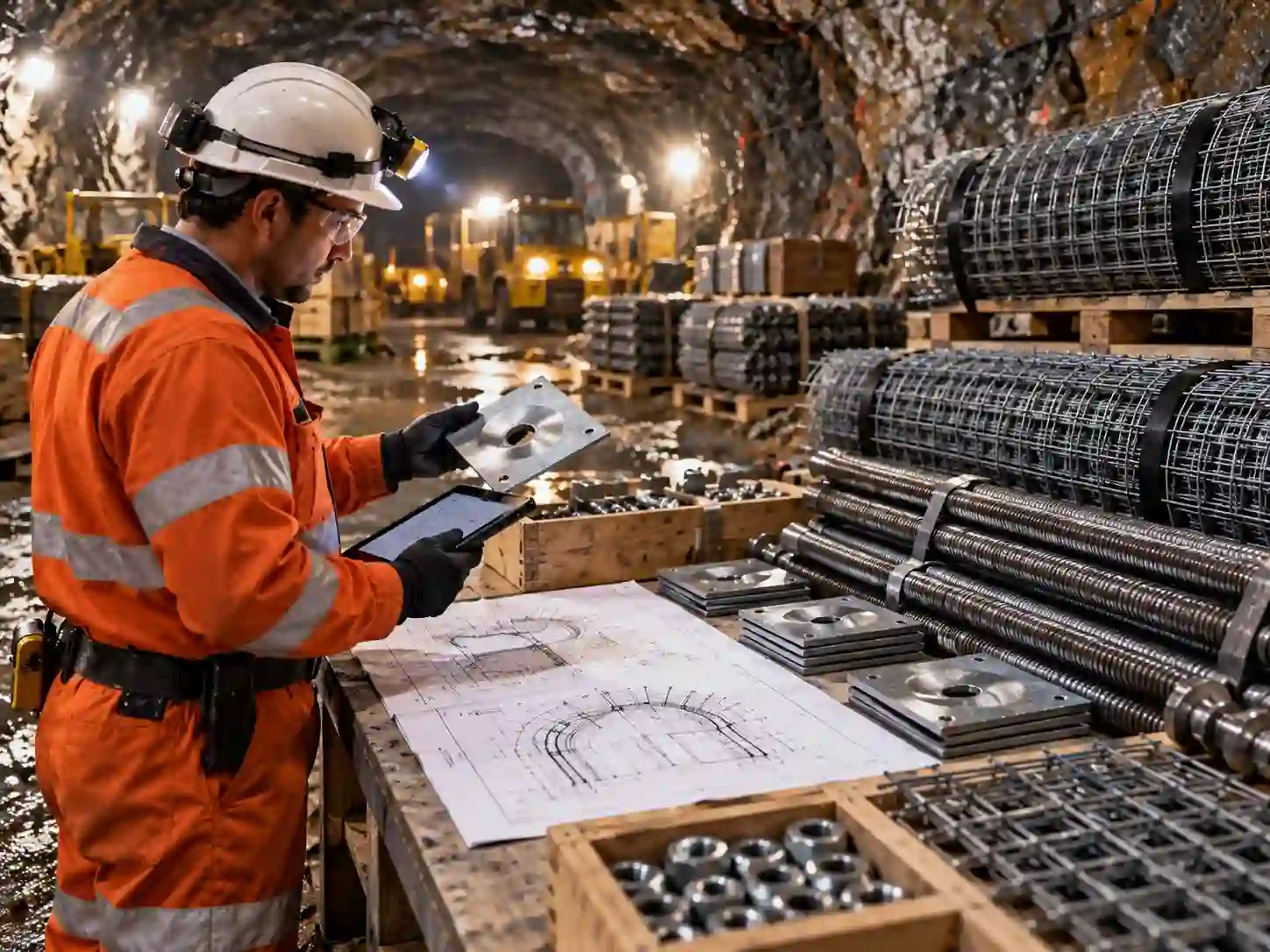
Design of ground support should always start from what rock mass you have in front of you. It should never be based on one rock bolts ability to support ground. There are many types of rock mass that will require different support systems. From competent jointed rock, very broken rock mass, squeezing ground and even rockburst ground.
When designing ground support you want to make sure your system can withstand what type of failure you may encounter. Shape of opening, stresses present at the site, ground water and time the support needs to last.
Classifying your rock mass with systems such as RMR, Q and GSI will allow you to determine how good your ground is. These classification systems should be used along side further analysis and checked at site.
Below we will go into detail about matching rock bolts, cable bolts, self drilling anchors, mesh and shotcrete to your ground conditions.

Corrosion protection for rock bolts needs to be taken into account when using them in an underground environment. There are many different factors to consider when deciding whether to use bare steel rock bolts, hot-dip galvanized rock bolts or epoxy coated rock bolts.
Design life, water table and corrosive environment. How will the anchor be installed? Will it be damaged during installation? What inspections will need to be performed. All these will play a role in determining the right corrosion protection to use on your rock bolt.
Bare steel rock bolts can be used on temporary excavations if corrosion is not expected and allowed by the engineer designing the project. Hot-dip galvanized rock bolts have zinc coating which can increase the life of your rock bolt in certain environments. Epoxy coated rock bolts are another option they just depend on what the coating will come into contact with and if there's any damage during install.
As long as you choose the correct corrosion protection for your design life your fine.
Below we will cover all three types of rock bolts and what to consider when buying rock bolts for underground applications.

Welded wire mesh, chain link mesh and fibrecrete are commonly used methods of surface support in underground mining applications. They are all designed to reduce hazards from rockfall and ground instability on the exposed excavation surface. However each product will behave differently under deformation, localised loadings and dynamic conditions.
Welded wire mesh offers a fairly stiff method of surface retention. Chain link mesh (when using a engineered high tensile chain link) can allow large amounts of deformation when installed correctly. Fibrecrete (fibre reinforced shotcrete) will give you a sprayed concrete surface that allows you to cover the entire surface with support.
So which one should you use in your underground mine?
It's difficult to say which product is best in all situations. Welded wire mesh can be used for typical surface support applications. An engineered chain link mesh could be beneficial if you expect large deformation to occur. Or maybe you want a sprayed surface with the ability to confine your rock. That's where fibrecrete comes in.
You need to understand what your ground will do and what you are trying to achieve with your support selection. Once you have an understanding of these factors you can start looking at the various surface support options available.
Below we have compared these 3 different products.